Understand any stock in simple English
Enter a ticker to learn what the company does and how it makes money.
J.D. Irving, Limited
J.D. Irving is a big Canadian family-owned conglomerate that runs a forest products business, makes tissue and paper products, and sells building supplies.
J.D. Irving is a family-owned Canadian conglomerate with roots in the forests of New Brunswick, and it makes money from trees in almost every way you can imagine. It cuts timber, runs sawmills, makes pulp and paper, and turns wood fiber into household products like paper towels and tissues through its Irving Tissue business. Most people in eastern Canada and the northeastern United States know the company through its retail chain, Kent Building Supplies, which sells lumber and hardware to contractors and do-it-yourselfers.
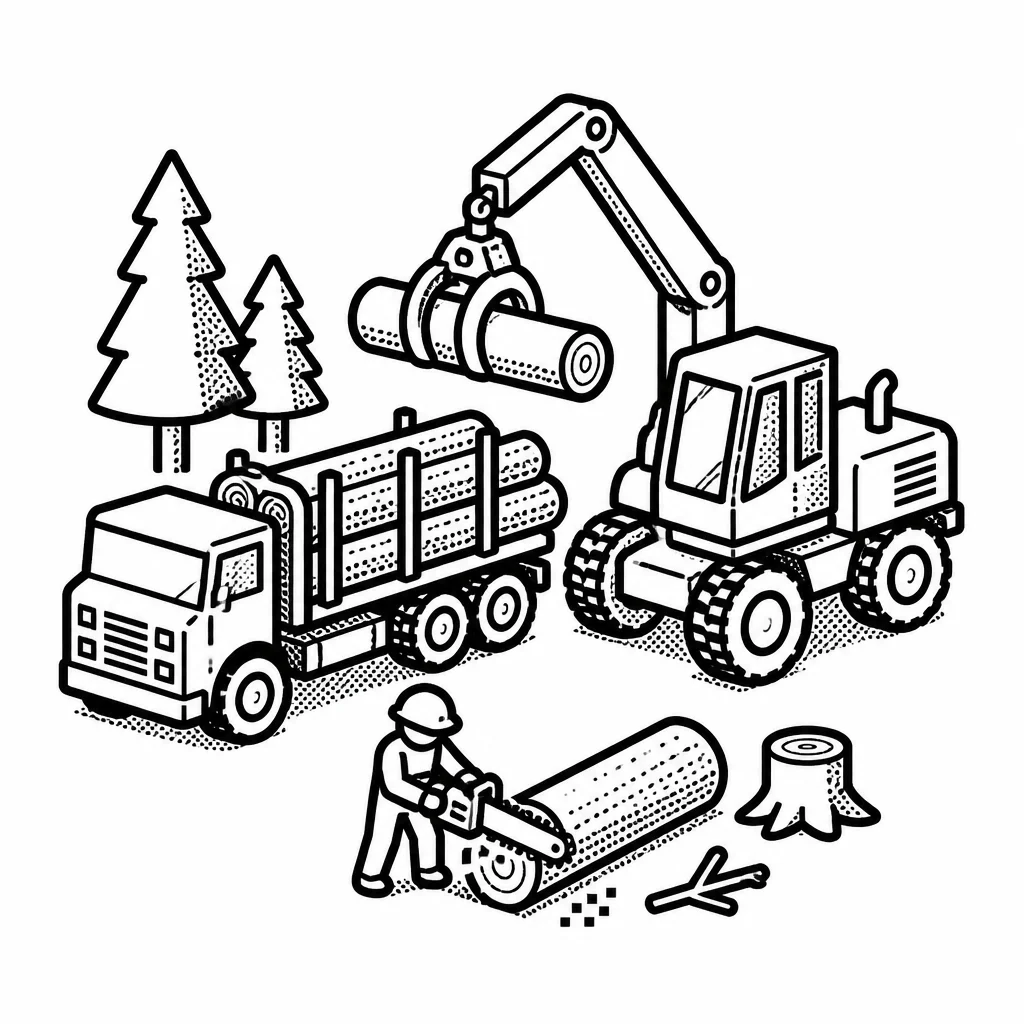
The company is deeply tied to the Irving family, one of Canada's richest and most private business clans. J.D. Irving sits inside a larger Irving empire that also includes oil refiner Irving Oil, but they are separate businesses. The forest products arm is the piece tied to the name J.D. Irving, and it controls huge tracts of woodland in New Brunswick and Maine, giving it a steady supply of raw material that most competitors have to buy on the open market. The tissue side is a smart play because it turns cheap wood fiber into branded consumer products that people buy again and again, week after week. The building supply stores are a different game: they depend on construction activity and home renovation spending, so they get hit harder when the housing market cools. Together the mix smooths things out, with steady consumer staples balancing the swings of lumber and construction demand.
The company is private, so it doesn't report detailed financials to the public or pay dividends to outside shareholders. It reinvests in its mills, its stores, and its land, and it has grown through acquisitions over the decades. Its biggest strength is control of its own supply chain, from the forest to the shelf, and its biggest vulnerability is that a conglomerate this spread out can be hard to manage when different markets move in opposite directions.
Saved answer · last researched 10 Nov 2026