Understand any stock in simple English
Enter a ticker to learn what the company does and how it makes money.
GNC Holdings, Inc.
GNC is a specialty retailer that sells vitamins, supplements, sports nutrition, and diet and energy products to consumers.
GNC is a specialty retailer of vitamins, supplements, sports nutrition products, and diet and energy goods. Walk into one of its stores, and you'll find walls of protein powder, multivitamins, fish oil, and pre-workout mixes — shelves aimed at people who want to lift heavier, lose weight, sleep better, or just fill a gap in their diet. The company also sells its own GNC-branded products alongside third-party labels, which is a big part of how it makes money: house brands generally carry fatter margins than the national brands sitting next to them.
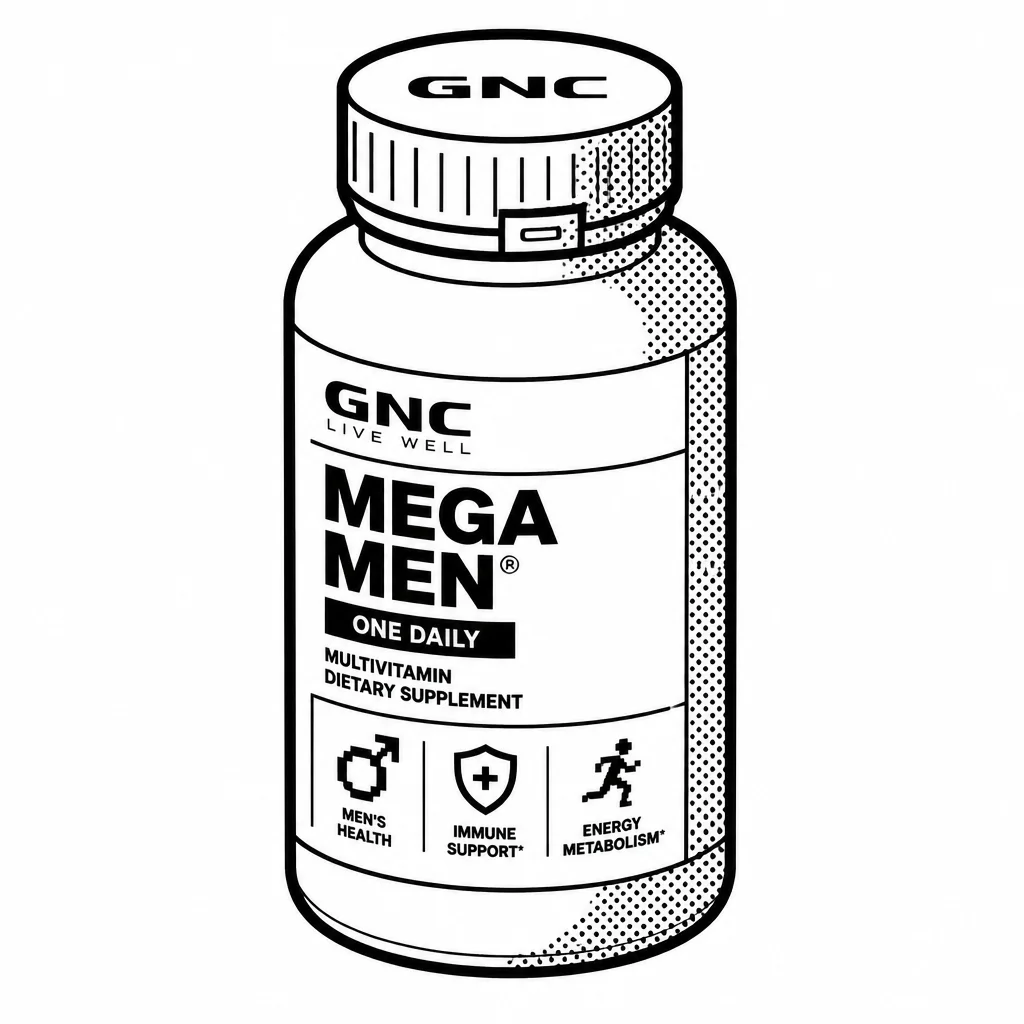
The business runs on two engines. The first is its physical stores, which historically blanketed malls and strip centers across the U.S. and in a handful of international markets. The second is digital and wholesale — selling through its own website and apps, and increasingly pushing GNC products onto marketplaces like Amazon and into other retailers' shelves. That wholesale and online shift matters because foot traffic in malls has been shrinking for years, and GNC's store-heavy model got caught in that downdraft. That downdraft turned into a full-blown crisis. GNC filed for Chapter 11 bankruptcy protection in 2020, weighed down by heavy debt and the pandemic's hit to mall traffic, and it closed a large chunk of its stores in the process. When it emerged, the company was no longer a publicly traded stock — its shares stopped trading on the New York Stock Exchange. Today GNC is owned by Harbin Pharmaceutical Group, a Chinese drugmaker that won the bankruptcy auction and took control of the business, giving it a deep-pocketed parent with roots in health products.
For a retailer like GNC, the appeal is convenience and expertise: a shopper can get advice from a store employee, grab a specific supplement the same day, and lean on the GNC brand as a familiar name. The vulnerability is equally plain. Supplements are a crowded, low-moat business — Amazon and big-box chains like Walmart and Costco sell the same bottles, often cheaper, and online shopping keeps pulling customers away from malls. GNC's bet under Harbin is to lean harder on its own brand, wholesale partnerships, and e-commerce while keeping a leaner store base — a smaller footprint for a business that once seemed to be on every corner.
Saved answer · last researched 15 Nov 2026