Understand any stock in simple English
Enter a ticker to learn what the company does and how it makes money.
GL Sciences Inc.
GL Sciences makes and sells analytical instruments, semiconductor products, and contactless IC card products.
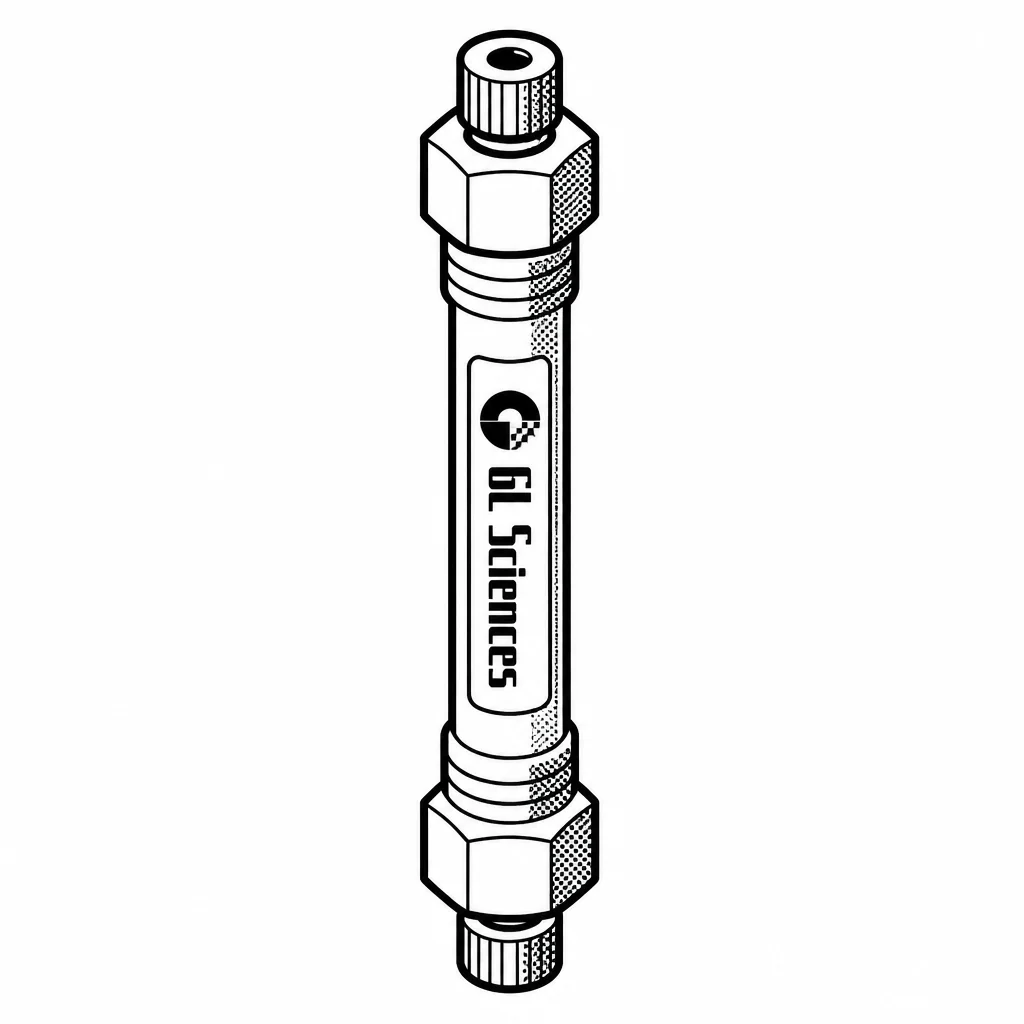
GL Sciences is a Japanese manufacturer that builds the tools scientists and factories use to measure and separate tiny things. Its best-known products are instruments and consumables for chromatography — the technique chemists use to separate a messy mixture into its individual parts so each one can be identified and measured. Its customers are mostly laboratories: drugmakers checking the purity of medicines, food and environmental testing labs, and universities and research institutes. The core of the business is selling the columns used inside these instruments, which are replaced regularly, plus the instruments themselves and the parts that keep them running.
Alongside the lab business, the company makes semiconductor-related products, which put it inside the chip supply chain, and contactless IC card products — the technology behind tap-to-pay cards and transit passes. These two segments make the company more than a pure laboratory supplier, and they tie its fortunes partly to the electronics and payment-card industries. GL Sciences was long listed on the Tokyo Stock Exchange, but it no longer trades as a public stock. Today it is owned privately, following a buyout that took the shares off the market, so ordinary investors can no longer buy pieces of it; like any private company, its owners are the ones who receive its profits rather than public shareholders. That change matters for anyone who comes across its old ticker: the stock is gone, but the business of selling chromatography columns and lab instruments carries on.
The company's edge is the unglamorous, repeat-purchase nature of its core products. Labs buy consumable columns again and again, which brings steadier revenue than selling a big instrument once, and switching suppliers means re-validating methods — a hassle most labs would rather avoid. The flip side is that this is a mature, competitive niche against larger instrument makers, and its semiconductor and IC card segments rise and fall with those industries' cycles.
Saved answer · last researched 17 Nov 2026