Understand any stock in simple English
Enter a ticker to learn what the company does and how it makes money.
Exact Sciences Corporation
Exact Sciences sells cancer screening and diagnostic tests, most notably Cologuard for colon cancer and Oncotype DX for breast cancer, to patients and their doctors.
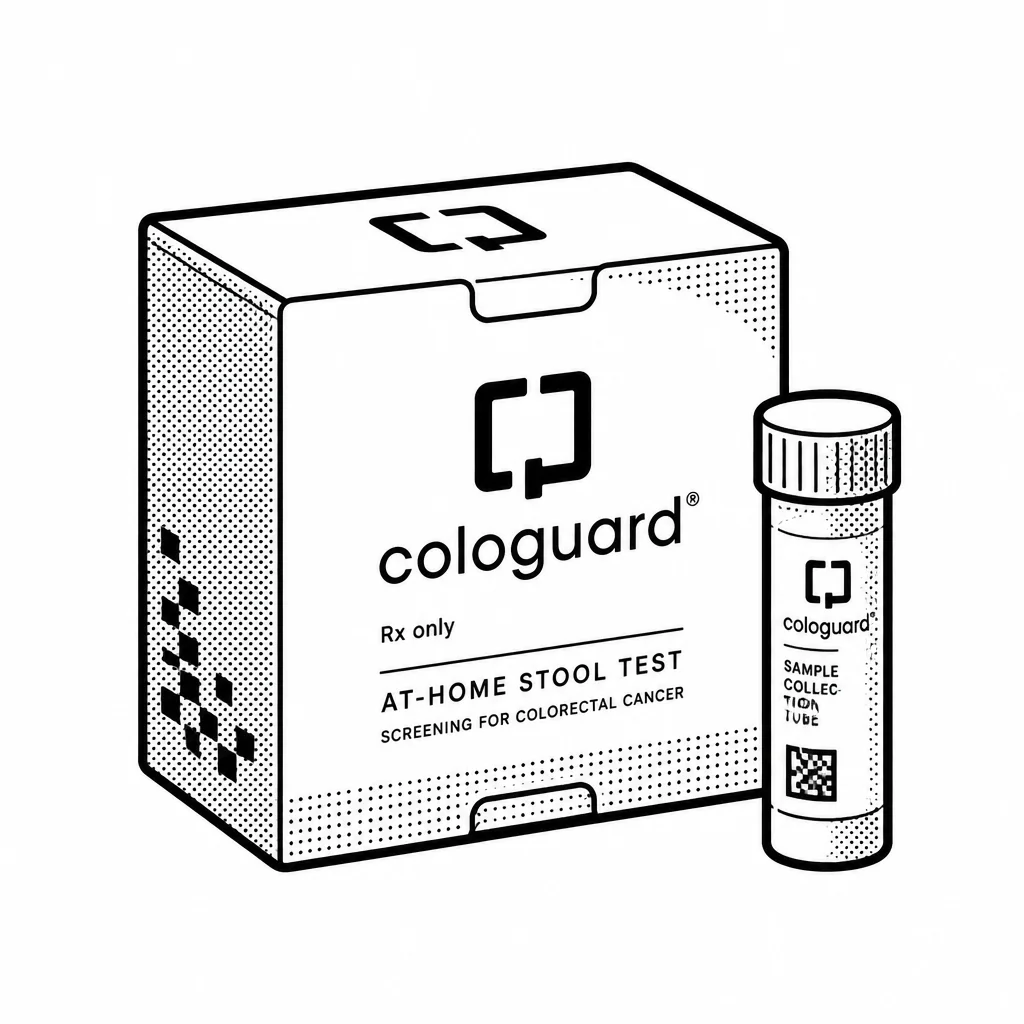
Exact Sciences makes tests that help find cancer early, when it is easier to treat. Its best-known product is Cologuard, a colon cancer screening test you do at home: you collect a stool sample, mail it in, and the lab looks for tiny traces of cancer DNA. For many people who dread the idea of a colonoscopy, that is a much easier first step, and it has turned a routine precaution into something people will actually do.
The company's other big test is Oncotype DX, used mostly in breast cancer. After a tumor is removed, this test reads the genes inside the cancer cells to estimate how likely the cancer is to come back. That score helps a patient and their doctor decide whether chemotherapy is really worth it, so the test is less about finding cancer and more about choosing the right treatment. The money comes from payers, not the patient directly. Insurance companies, government programs like Medicare, and health systems pay Exact Sciences for each test it runs, and the company is constantly working to get tests approved and covered. Its main rivals include other lab-testing giants such as Labcorp and Quest Diagnostics, plus newer blood-based screening tests from companies like Guardant Health.
The business is expensive to build. Exact Sciences spends heavily on research, on clinical trials to prove its tests save lives, and on persuading doctors and insurers to adopt them, which is why it ran losses for years. It recently agreed to be acquired by Abbott Laboratories in a deal valued at roughly $21 billion, a bet that pairing its cancer tests with Abbott's global reach and diagnostics lineup can get them in front of far more people. For now, its shares no longer trade on their own.
Saved answer · last researched 15 Nov 2026