Understand any stock in simple English
Enter a ticker to learn what the company does and how it makes money.
Death Row Records
Death Row Records is a hip-hop record label that signs artists and sells their music.
Death Row Records is a record label — a company that finds rappers, records their music, and sells it to listeners. It became famous in the 1990s as the home of West Coast rap, putting out albums by Dr. Dre, Snoop Dogg, and Tupac Shakur. When you hear a classic gangsta rap track from that era, there's a good chance it came from this label.
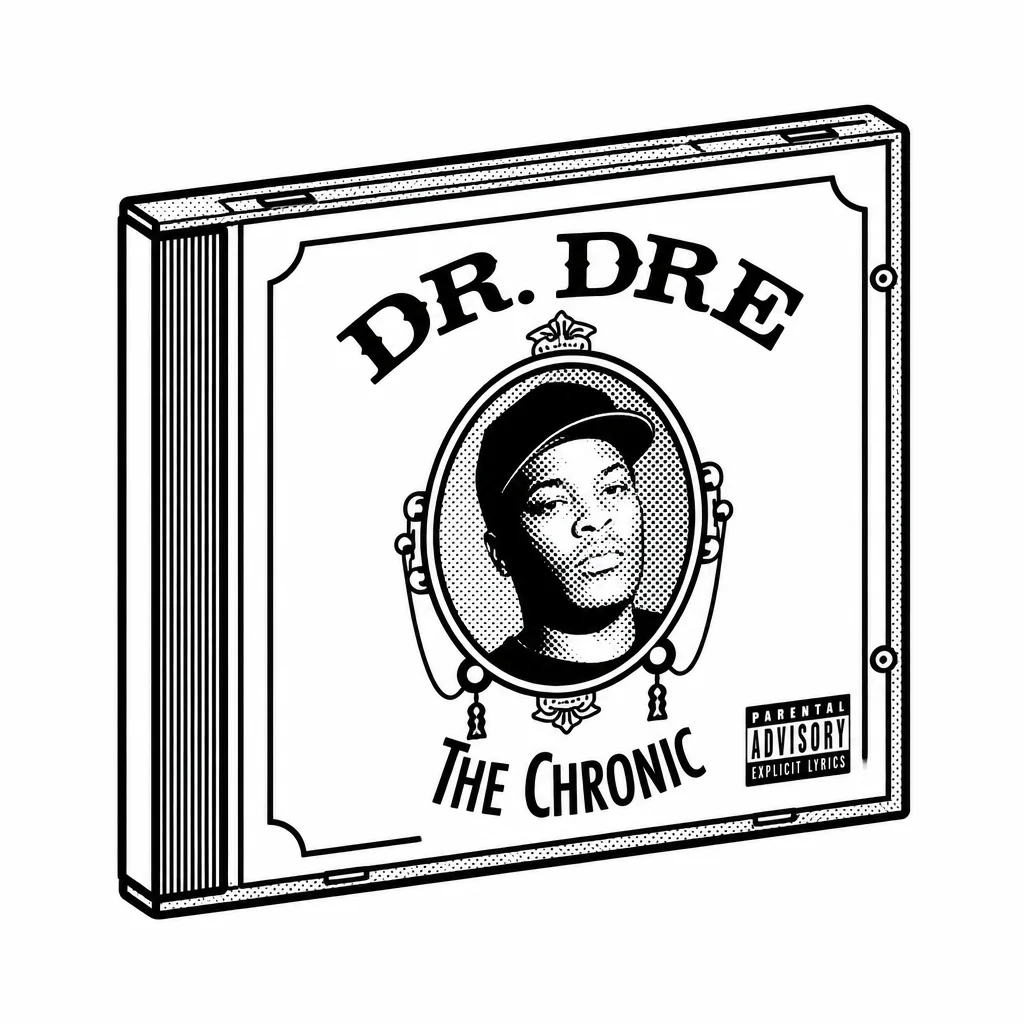
Here's how a label like this makes money. It signs an artist, pays for recording and marketing, then takes a cut of sales from CDs, streaming, and licensing songs for movies or games. The artist keeps a share too. The label is essentially a bank and a promoter rolled into one: it fronts the money and the connections, and hopes the music sells enough to earn it all back. Death Row's story is as dramatic as its music. Founded in 1991 by Dr. Dre, Suge Knight, and the D.O.C., it became a cultural powerhouse, but it was also tied to real-world violence and legal trouble. Knight went to prison, the label collapsed into bankruptcy, and its catalog changed hands. Today the Death Row name and its famous recordings are owned by a company called gamma., which bought the assets in 2022 and has been reissuing the classic albums and striking new deals to put the music back in front of listeners.
So the modern Death Row is less a functioning artist-development label and more a valuable collection of famous songs being managed and resold. Its strength is nostalgia and a catalog people still want to stream; its weakness is that the future depends on old hits rather than new stars.
Saved answer · last researched 25 Oct 2026
BIG PICTURE
In a fan vote on hip-hop's best big three, Death Row won 73.3% of the ballots
- 73.3% Voters choosing Death Row Records
- 26.7% Voters choosing other labels
A fan poll asking which label had the best big three gave Death Row 73.3% of the vote, with the rest split among every other label. That is the business in a nutshell: the label makes most of its money from a catalog built on three stars, Dr. Dre, Snoop Dogg and Tupac Shakur, whose old albums keep selling and streaming decades later. Source: Fan poll (via search result), data from 2026
Timeline
Dre and Knight Start Death Row
Dr. Dre was one of the best producers in hip-hop, but he felt Ruthless Records was shorting him on royalties. So he teamed up with Suge Knight, The D.O.C. and Dick Griffey to build their own label. The name changed a couple of times — Future Shock, then Def Row — before it settled as Death Row Records. Getting Dre out of his Ruthless deal reportedly took Knight's strong-arm pressure, and money from Vanilla Ice's royalties helped fund the whole thing — a strange start for a label that would come to define West Coast rap.
The Chronic Changes Everything
Dr. Dre's first solo album, The Chronic, with Snoop Dogg all over it, sold millions worldwide and made the label a major force. Its smooth, slow G-Funk sound became the West Coast's signature, and Death Row went from an upstart to the center of hip-hop.
Doggystyle Beats The Chronic
Snoop's debut, Doggystyle, did even better than The Chronic, going quadruple platinum. Death Row now dominated gangsta rap commercially, with two of the biggest albums in the genre under one roof.
Tupac Killed and Dre Leaves
In 1996 the label's world turned upside down. Tupac Shakur was killed in a Las Vegas drive-by that also grazed Suge Knight, and Knight was jailed soon after for a parole violation. Dr. Dre had already left that year, tired of the negativity and the limits of gangsta rap, and started Aftermath. With its biggest star dead and its boss behind bars, the roster cracked apart and Snoop Dogg was among the artists who walked away.
Knight Jailed and Staff Cut
Knight got nine years in prison for violating parole and was barred from running the label. Half the staff lost their jobs, lawsuits over unpaid royalties piled up, and releases stalled. Death Row was still standing, but barely.
Tha Row Comeback Stalls
When Knight got out of prison, he renamed the label Tha Row and promised a comeback built around new artists like Crooked I. It never came together: the new releases were mostly compilations, and none of the new artists got solo records out.
Death Row Goes Bankrupt
Death Row filed for bankruptcy, and in early 2009 its assets were auctioned to WIDEawake Entertainment for $18 million. The catalog then changed hands several times, including to Entertainment One. The label that once ruled rap was now just a pile of songs being traded around.
Snoop Buys Death Row
In February 2022, Snoop Dogg bought Death Row from MNRK Music Group, saying he wanted to revive the label he helped make famous. As owner, he got back the catalog, including the master recordings and publishing rights — the actual songs, not just the name.
Death Row Becomes a Lifestyle Brand
Snoop relaunched Death Row as a multimedia lifestyle brand, stretching it into cannabis with S.W.E.D. dispensaries and online shopping, while also running it as a music label again with new artists and licensing deals. Alongside Snoop's mainstream media career, Death Row turned into a diversified consumer and music business — the label that once sold records about street life now sells a whole way of living.