Understand any stock in simple English
Enter a ticker to learn what the company does and how it makes money.
Commonwealth Fusion Systems LLC
Commonwealth Fusion Systems is building compact nuclear fusion machines that it hopes will generate clean, cheap electricity.
Commonwealth Fusion Systems is a private energy company trying to build a fusion power plant — a machine that fuses atoms together the way the sun does, releasing enormous heat that can be turned into electricity. Its big idea is that fusion, long a science-lab dream, can be shrunk from giant government projects into a compact, commercially viable machine. It spun out of MIT in 2018, and the MIT connection matters: the company is commercializing a superconducting magnet technology developed there. Those magnets are the heart of its approach, letting it build smaller, cheaper tokamaks — donut-shaped reactors that trap superheated plasma with magnetic fields.
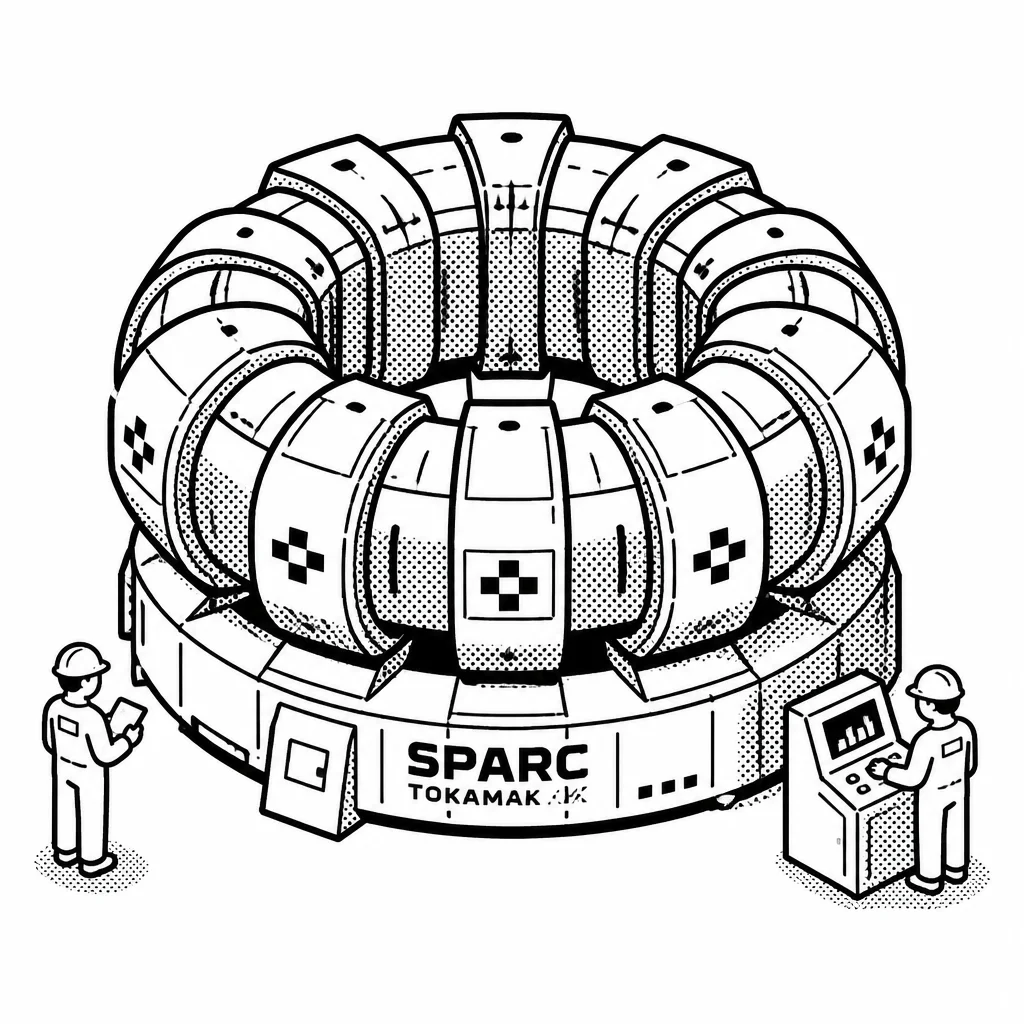
The company's main product is a tokamak called SPARC, which it is building in Devens, Massachusetts, just outside Boston. SPARC is the proof machine: if it works, it should show that fusion can produce more energy than it consumes. The follow-up is ARC, a commercial power plant design meant to actually sell electricity to the grid. Commonwealth has also built a magnet factory and a manufacturing arm to make its own high-temperature superconducting magnets, which it sells to other fusion players and research labs. That magnet business gives it revenue today while the reactor dream is still being proven. The money story is all about the bet. The company has raised billions of dollars from investors, including a large round in 2025 that valued it in the tens of billions. Big-name backers include Eni, the Italian energy giant, and a long list of venture and growth investors. In 2025 it struck a power purchase agreement to sell electricity from its first ARC plant to Google, a notable sign that a real customer is willing to pay for fusion power before the machine exists. That deal is a bet on a timeline, not a sure thing.
The honest picture: Commonwealth Fusion Systems does not yet generate meaningful revenue from selling power, and it may not for years. Fusion is hard, and plenty of smart people have predicted it is always decades away. The company's competitors include other private fusion startups and government-funded projects around the world, all racing for the same prize. What makes Commonwealth different is its focus on compact machines and its head start on manufacturing its own magnets. If SPARC works, it could be one of the most important companies in the world. If it doesn't, it will be an expensive physics experiment.
Saved answer · last researched 10 Nov 2026