Understand any stock in simple English
Enter a ticker to learn what the company does and how it makes money.
Clear Channel Outdoor Holdings, Inc.
Clear Channel Outdoor sells billboard, street-furniture, and airport advertising space to advertisers who want to reach people while they are out in the world.
Clear Channel Outdoor is one of the biggest sellers of out-of-home advertising — the ads you see on billboards along highways, on the sides of bus shelters, and on screens inside airports. Advertisers pay it for the space and the audience, and the company handles the physical signs, the digital screens, and the sales force that fills them. Its shares no longer trade on the New York Stock Exchange; the company is now privately held, and it was formerly known as Eller Media Company.
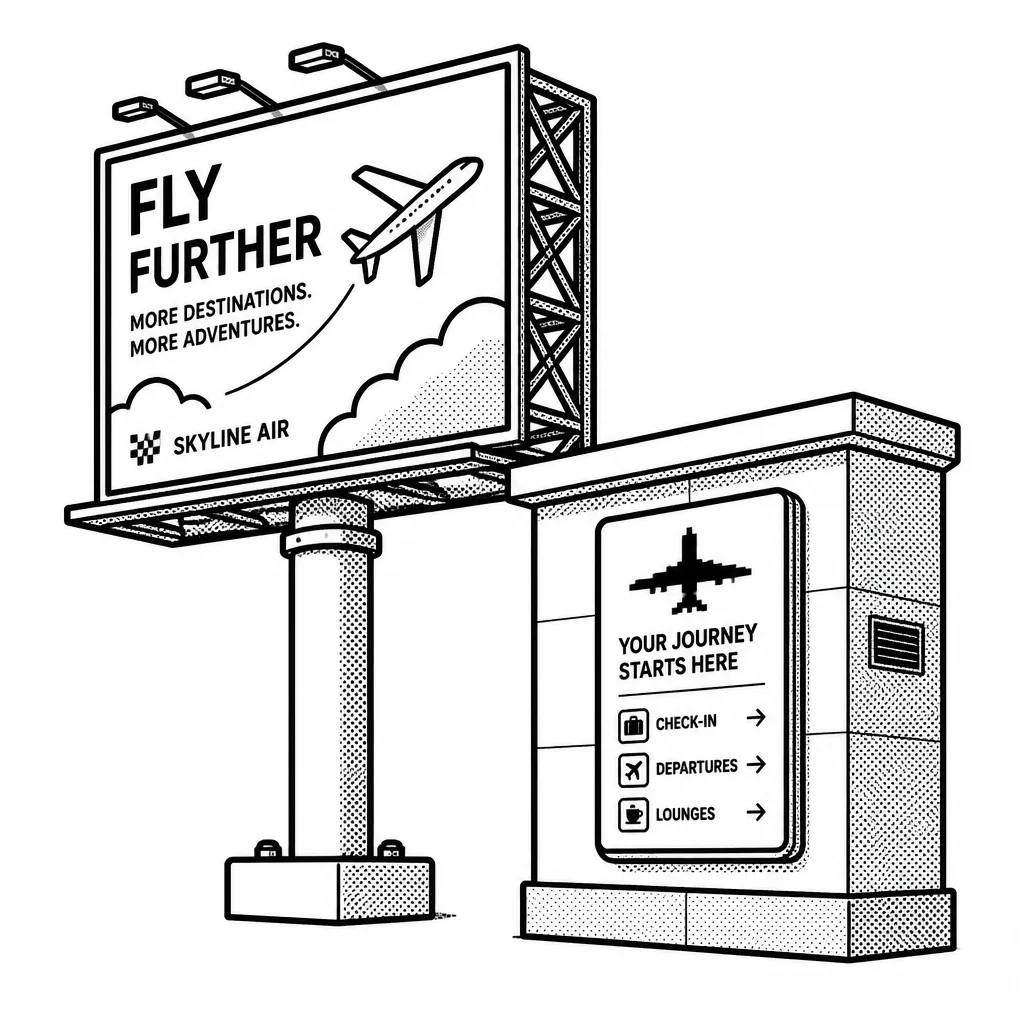
The business is simple at its core: it owns or leases the physical spots where people look up, then rents those spots to brands. The billboard side is the old, steady engine — big roadside boards that reach drivers and pedestrians, many now converted to digital screens that can switch ads in seconds. The airports and transit side puts ads in front of travelers with time on their hands, a captive audience that advertisers pay a premium to reach. Clients range from local businesses to giant national brands, and they choose Clear Channel because it offers scale — one deal can put a message in front of millions of people across many markets. What makes the business tough is also what makes it interesting. Billboards are cheap to run once built, but the company carries heavy debt and its revenue rises and falls with the advertising market, which is cyclical and increasingly competitive. Digital screens cost money to install but sell at higher prices and can be changed instantly, so the shift to digital is both an opportunity and a bill. The company has spent years managing its balance sheet and streamlining its portfolio to focus on markets where it can be a leader.
The move to private ownership matters for how the business is run. Without public shareholders demanding quarterly results, the owners can make longer-term bets on digital conversion and on the markets that make the most money. The core bet stays the same: as long as people leave their homes and look up, there is money in selling that glance.
Saved answer · last researched 15 Nov 2026