Understand any stock in simple English
Enter a ticker to learn what the company does and how it makes money.
Buc-ee's Holdings, Inc.
Buc-ee's runs giant roadside convenience stores and gas stations famous for clean bathrooms, cheap gas, and shelves full of its own snacks and merchandise.
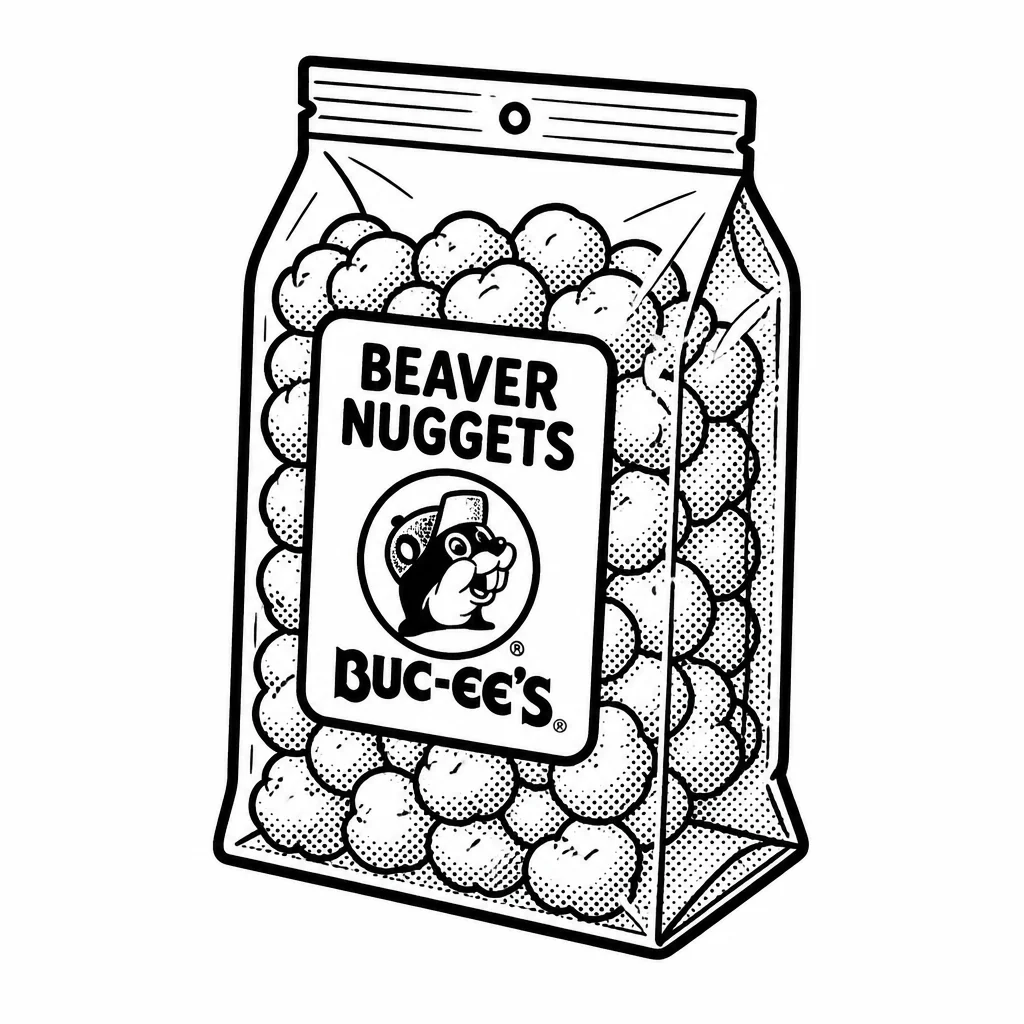
Buc-ee's is a chain of enormous roadside convenience stores and gas stations, mostly in Texas and the South, and people actually plan road trips around stopping at one. A typical store is the size of a small supermarket, with dozens of gas pumps outside and a food-and-merchandise wonderland inside. It sells its own brand of snacks — beaver nuggets, jerky, fudge, kolaches — plus drinks, coffee, barbecue, and a huge pile of Buc-ee's branded T-shirts, mugs, and toys. It also sells gasoline, usually priced aggressively low to pull drivers off the highway.
The money comes from both sides. Gas brings in a lot of sales volume but thin margins, so the real profit engine is the inside of the store, where travelers who stopped for cheap fuel walk out with a basket of snacks and souvenirs. Customers choose Buc-ee's because the bathrooms are famously spotless, the stores are entertaining, and the food is genuinely good for a gas station. The company is private, owned by the founding family and early investors, so it doesn't publish detailed financials. It has grown fast by opening huge new stores in new states, and it is known for paying above-market wages and treating employees relatively well, which helps it staff these massive locations. The story starts with Arch "Beaver" Aplin, who opened a small Texas store in 1982 and built the brand around the beaver mascot and a fanatical focus on cleanliness and service. For decades it stayed mostly in Texas, then expanded into Alabama, Florida, Georgia, Kentucky, Tennessee, South Carolina, and beyond, with plans for more states. The bet is simple: build a destination so appealing that families detour to shop there, then sell them snacks and merch at high margins while the gas pumps keep traffic flowing. Competitors like Walmart and Costco sell gas and snacks too, and travel-center chains like Pilot and Love's compete for highway drivers, but none has Buc-ee's cult following or its oversized, entertainment-style stores.
The risk is that this model depends on big, expensive real estate and heavy traffic, so a bad location or a slowdown in road travel hurts. Building these giant stores costs a fortune, and the company funds much of its expansion from its own cash flow rather than debt or public markets. For now, though, Buc-ee's keeps opening new stores to long lines and packed parking lots, which is a pretty strong signal that the beaver has room to grow.
Saved answer · last researched 10 Nov 2026
BIG PICTURE
Buc-ee's now reaches about 1 in 3 American households, but its reach is slipping
- 33.3% U.S. households visiting Buc-ee's annually
- 66.7% U.S. households that did not visit
About a third of American households shopped at a Buc-ee's in the year ending July 2026, roughly 45 million homes. The chain built that reach by turning gas stops into destinations: cheap fuel pulls cars in, and brisket, Beaver Nuggets and clean bathrooms get people spending inside. The share slipped from 33.5% a year earlier, a sign the novelty may be wearing thin as Wawa and Sheetz expand. Source: Numerator, via C-Store Dive, data from 2026
Timeline
A Beaver and a Buck
In 1982, Arch Aplin III opened a small store in Lake Jackson, Texas, with just a few thousand square feet and two gas pumps. He named it Buc-ee's by combining his mother's nickname for him, "Beaver," with the name of his Labrador retriever, Buck. A partner, Don Wasek, joined soon after, and the two started opening stores across Texas. It was a modest start for a brand that would later become famous for being anything but modest.
Texas-Sized Travel Centers
For years Buc-ee's was a regular convenience store chain. Then, starting in 2003 with a travel center in Luling, it began building enormous stores, many bigger than 40,000 square feet. That was the bet: instead of a quick stop for gas and a snack, give drivers a huge selection of products, friendly service, and famously clean bathrooms. The oversized format became the brand's identity.
The Biggest Store in the World
The strategy kept growing. In 2012, Buc-ee's opened a 68,000-square-foot travel center in New Braunfels on Interstate 35, making it the largest convenience store in the world at the time. It also won a national contest for the best restroom in America, which sounds like a small thing but told customers exactly what the company cared about: cleanliness as a selling point.
Leaving Texas
For decades Buc-ee's was a Texas secret. In 2018, the chain opened its first store outside the state, off Interstate 10 in Baldwin County, Alabama. That was the start of a push into other states, testing whether the Texas formula could travel.
Charging Up
Road trips were starting to change as electric vehicles spread. In 2021, Tesla began opening Superchargers at 26 Buc-ee's locations across seven states. The deal put EV charging at the travel centers, keeping Buc-ee's relevant as the way people fuel their cars shifted.
The Largest Convenience Store, Again
The stores kept getting bigger. In 2023, the Sevierville, Tennessee, location opened as the world's largest convenience store at nearly 75,000 square feet. It held the title only briefly: a rebuilt Luling store, in the town where the travel-center era began, edged past it the next year.
A National Name
By 2024, Buc-ee's was big enough to show up on Progressive Grocer's list of the 100 largest food and consumables retailers, landing at No. 85, with revenue up nearly 15 percent from the year before. The chain that began as a Texas roadside stop was now a national player.
Twenty States in Sight
The expansion accelerated. By 2026, Buc-ee's operated roughly 55 locations across 12 states and was aiming for 20. That year it opened its first stores in Arkansas, Arizona, and Ohio, reaching into the Midwest and West.
Louisiana, at Last
One expansion took far longer than the rest. In 2026, Buc-ee's finally broke ground on its first South Louisiana store in Lafayette, an $82 million project more than a decade in the making. The 74,000-square-foot store with about 120 gas pumps is expected to create hundreds of jobs and open in early 2028.