Understand any stock in simple English
Enter a ticker to learn what the company does and how it makes money.
BUA Group
BUA Group is a Nigerian industrial conglomerate that makes cement, sugar, flour and rice, and runs ports and real estate.
BUA Group is one of Nigeria's biggest homegrown industrial empires. It makes the everyday things a growing country needs in bulk: cement for buildings, sugar for drinks and cooking, flour for bread, and rice for the dinner table. Most Nigerians touch its products without knowing the name behind them.
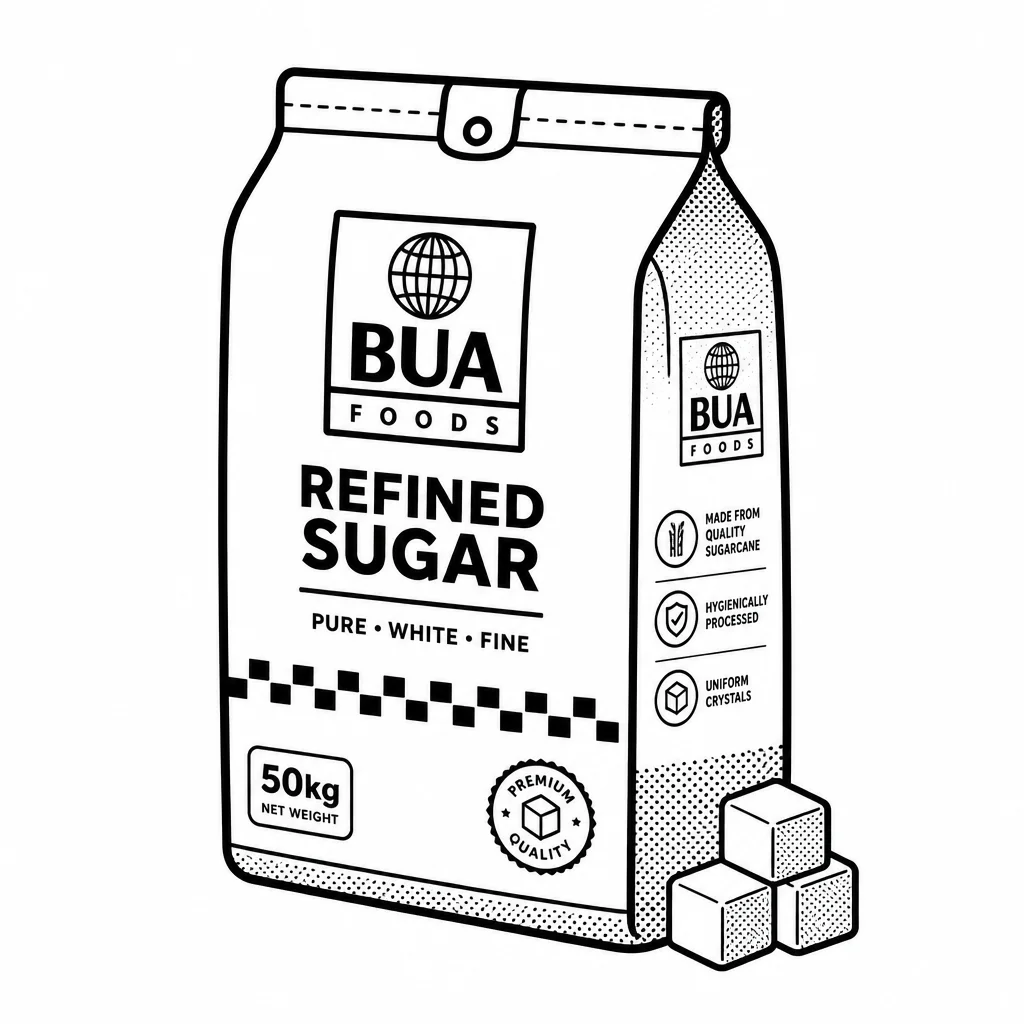
The heart of the business is cement. Through BUA Cement, the group runs large plants in the south and north of Nigeria and sells to builders, contractors and ordinary families putting up homes. Cement is heavy and cheap per bag, so the winner is usually whoever has a plant close to the customer and enough capacity to keep trucks moving. That is why BUA has spent heavily on new plants and grinding stations, turning itself into a serious challenger to the older giants Dangote Cement and Lafarge Africa. The group has also pushed into other African markets, where demand for building materials keeps climbing. The food side works on the same logic: scale and local production. BUA refines sugar, mills flour and processes rice, often buying raw materials abroad and turning them into finished goods Nigerians use daily. Volume is huge, margins are thin, and the moat comes from owning the mills, the ports and the logistics that move goods around. BUA owns port terminals too, which helps it import raw materials and export without paying someone else's toll. The founder, Abdul Samad Rabiu, built the group from a family trading business into this industrial machine, and he still owns the vast majority of it. That ownership is a strength and a risk. Decisions get made fast, but minority investors in the listed cement arm have less say than they might at a company with scattered shares. BUA remains private at the top, with only parts of the empire — notably BUA Cement — trading publicly.
The bet is straightforward: Nigeria has over 200 million people, a housing shortage, and an appetite for packaged food. If the country grows, BUA grows with it. The danger is equally simple. Cement demand swings with government spending and construction, the naira has been volatile, and energy costs can eat into margins fast. BUA's answer is to keep building capacity and squeezing costs, so that when the good times come, the trucks are already loaded.
Saved answer · last researched 10 Nov 2026