Understand any stock in simple English
Enter a ticker to learn what the company does and how it makes money.
Brasseries du Congo
Bracongo is a Congolese drinks company that makes and sells beer, soft drinks, and bottled water.
Bracongo is one of the two big breweries in the Democratic Republic of the Congo. It brews beer and makes soft drinks and bottled water, then sells them through a network of depots and small shops across the country. Its best-known beer is called Skol, and it also sells brands like Castel and Doppel, alongside sodas and water that fill out the same delivery trucks.
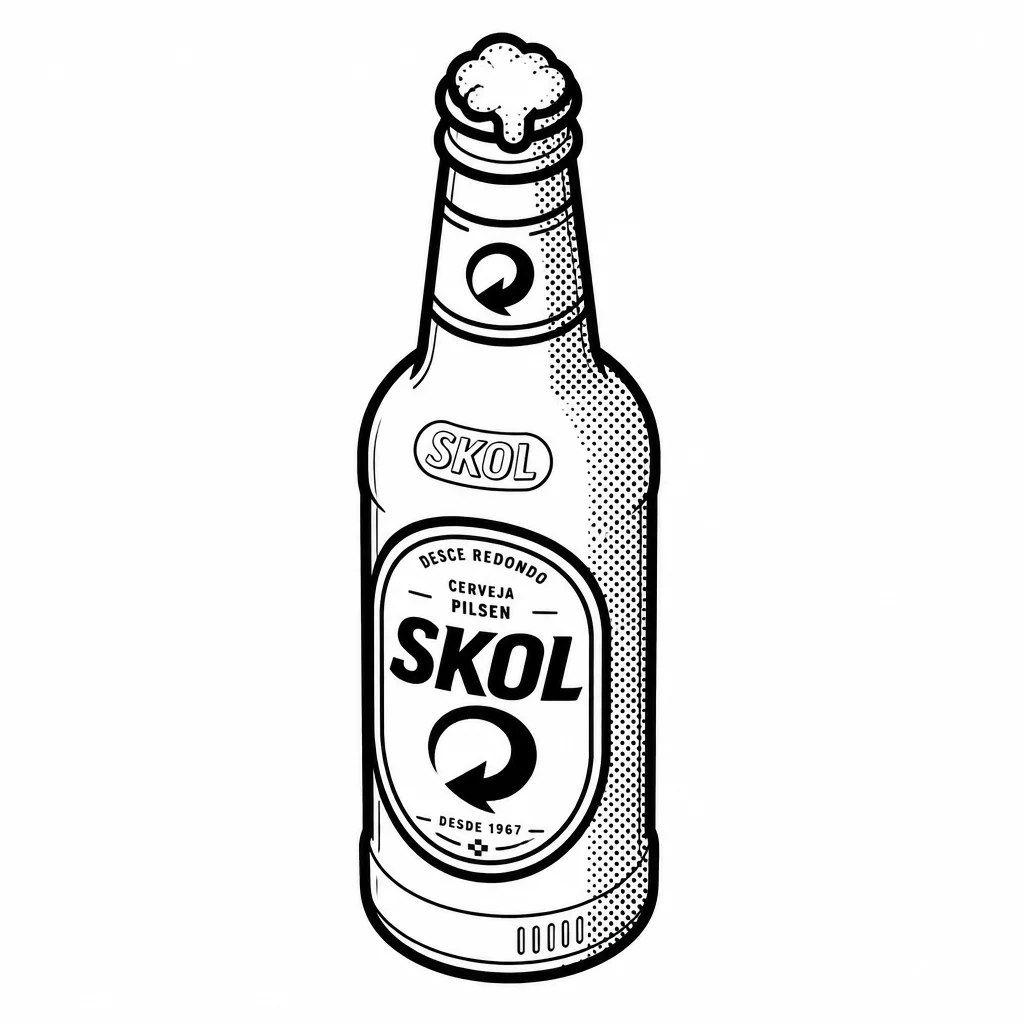
The business runs on the everyday habits of millions of Congolese drinkers. Beer is sold in big bottles that are shared, and much of the trade flows through tiny bars and street vendors rather than supermarkets. Because of that, getting bottles onto shelves and keeping them cold matters as much as the brewing itself. Bracongo's main rival is Bralima, the other large brewer in the country, backed by Heineken Heineken. The two have long split the national market between them, competing hard on price, distribution, and brand loyalty. Doing business in Congo is not easy. The country is huge, roads are rough, and power and raw materials can be unreliable, so big brewers often bottle close to their customers and manage their own logistics. Imported drinks cost more because of transport and taxes, which gives local producers like Bracongo an edge — if they can keep their factories running and their depots stocked. Bracongo is privately held, so its finances are not public, but it is consistently described as one of the country's largest companies by revenue.
The company's history stretches back through Congo's colonial and post-independence eras, when brewing became one of the few modern industries that grew alongside the country's cities. Today Bracongo employs thousands of people and supports a web of distributors and retailers who depend on its products. It is a straightforward business at heart: make drinks people want, get them to the corner shop, and keep them coming back.
Saved answer · last researched 10 Nov 2026