Understand any stock in simple English
Enter a ticker to learn what the company does and how it makes money.
Boon Rawd Brewery Co., Ltd.
Boon Rawd Brewery is a Thai drinks company best known for brewing Singha beer and also sells bottled water, soda, and other beverages.
Boon Rawd Brewery is Thailand's original big beer company, the one that made Singha a household name and turned a German-style lager into a national icon. It brews and sells beer — Singha is the flagship, with Leo as the cheaper, mass-market sibling and U Beer aimed at a more value-conscious crowd — and it also sells drinking water (Singha Water), soda, and other non-alcoholic drinks. Thais drink it in bars and restaurants, buy it in convenience stores, and order it with dinner, and the company's beers are exported to dozens of countries where Thai restaurants and curious drinkers pick them up.
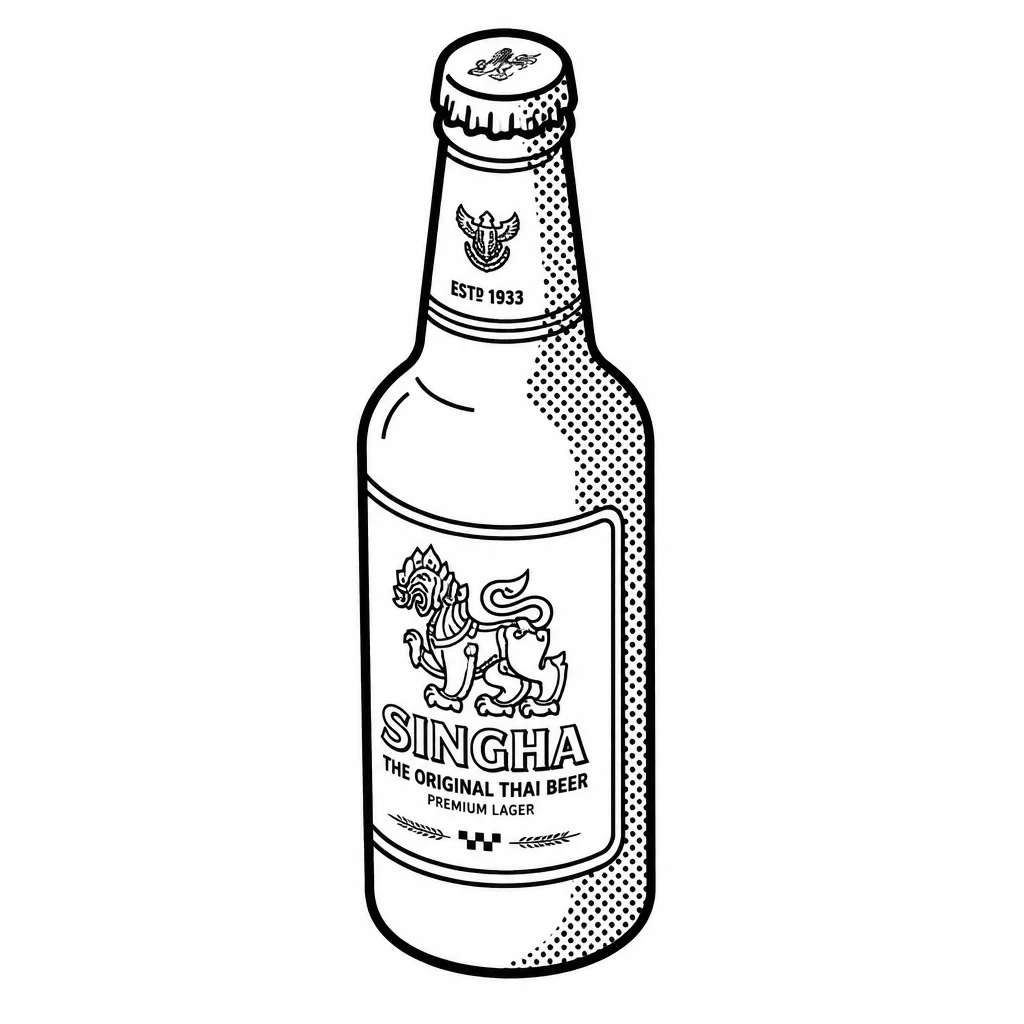
The money comes from selling huge volumes of beer at thin margins, which is why distribution matters so much. Boon Rawd runs its own breweries and a sprawling network of distributors and trucks that gets bottles and cans onto shelves and into bars across Thailand, from Bangkok convenience stores to rural shops. In a country where a handful of big brewers dominate the market, scale keeps costs down and shelf space locked up. Singha also carries cultural weight — sponsoring football clubs, music festivals and events — that makes it more than just a liquid in a bottle. The company is private, owned by the Bhirombhakdi family, which founded it in the 1930s after the founder, Prajin Bhirombhakdi, learned brewing in Germany. That ownership structure matters: it means no stock ticker, no quarterly earnings calls, and a long-term view that lets the family invest in brands and real estate rather than chase short-term numbers. Boon Rawd has also branched into property and hospitality over the years, but beer remains the engine.
Life has not been entirely smooth. Thailand's beer market is an effective duopoly between Boon Rawd and Thai Beverage (maker of Chang beer), and the two have fought for decades over price, distribution and marketing. Alcohol excise taxes are high, advertising is tightly restricted, and Thailand has periodically floated loosening liquor rules that could invite more competition. Meanwhile, younger Thai drinkers are shifting toward spirits, cocktails and imported craft beer, nudging the big brewers to experiment with new products and premium offerings. For a family-owned brewer with deep roots, the challenge is staying relevant without losing the mass-market volume that pays the bills.
Saved answer · last researched 10 Nov 2026