Understand any stock in simple English
Enter a ticker to learn what the company does and how it makes money.
Bitmain Technologies Ltd.
Bitmain designs and sells the specialized computers and chips that miners use to dig up bitcoin and other cryptocurrencies.
Bitmain builds the machines that mint bitcoin. Its main product is the Antminer, a box of custom chips that runs day and night solving the cryptographic puzzles that secure the Bitcoin network. Do the math fast enough and you earn freshly created bitcoin plus a cut of transaction fees. Bitmain sells these rigs to everyone from giant mining farms to hobbyists, and it also designs the chips inside them, keeping the hardest and most valuable part of the machine in-house.
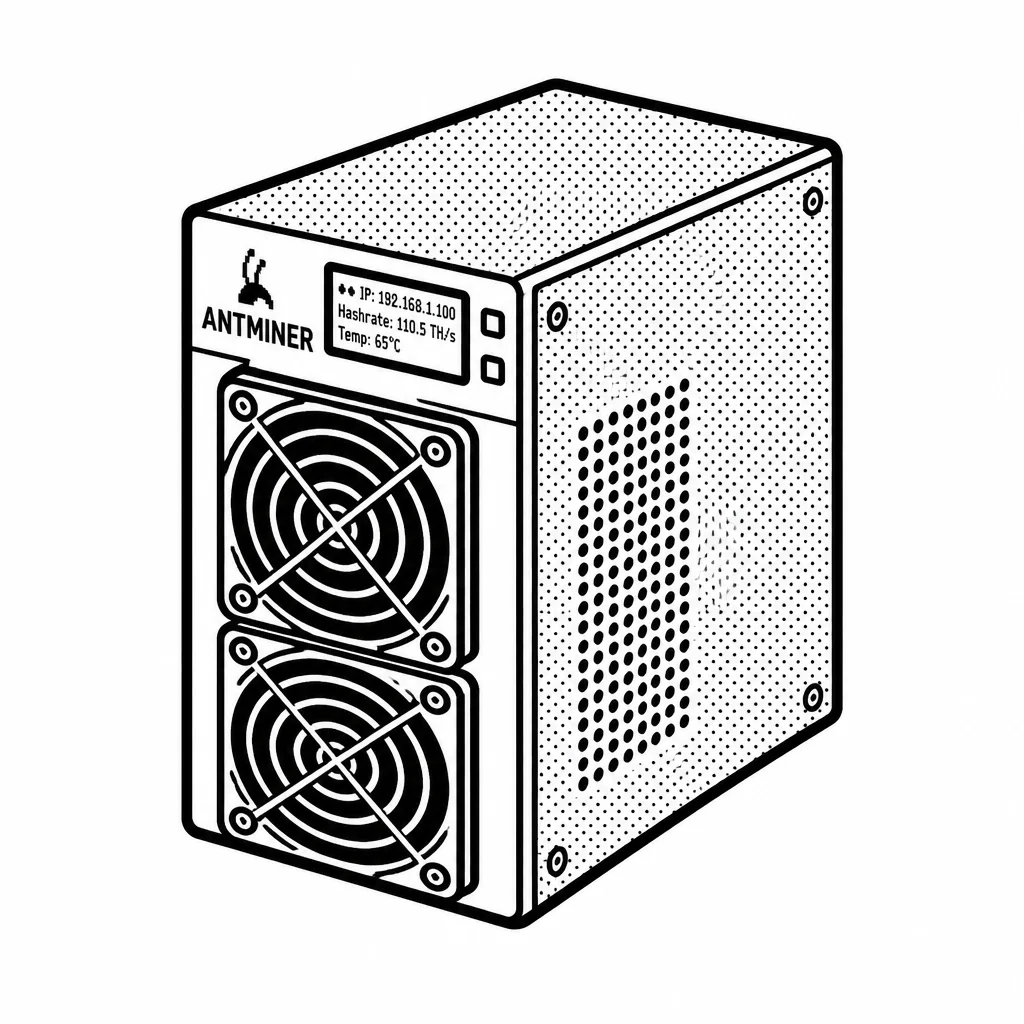
That chip design is the moat. Mining is a brutal race where the fastest hardware wins, so miners pay up for the most efficient rigs to squeeze out more bitcoin per unit of electricity. Bitmain's early lead in custom mining chips made its hardware the default choice for years, and the Antminer brand became to crypto mining roughly what Caterpillar is to digging. The company also runs large mining operations of its own and pools other miners' computing power, so it earns money both from selling shovels and from swinging a shovel itself. Bitmain's story is inseparable from the wild swings of crypto. It was founded in 2013 by Jihan Wu and Micree Zhan, and it grew so fast during the 2017 bitcoin boom that it briefly became one of the most valuable private tech companies in the world. Then the 2018 crash, internal power struggles that saw co-founder Wu pushed out and later return, and a failed attempt at a public listing in Hong Kong all dented it. A lengthy fight over control of the company added chaos on top.
Today Bitmain is private and still a dominant name in mining hardware, but it faces real pressure. Regulators and cheap electricity matter enormously to its customers, and the business is deeply tied to bitcoin's price — when mining stops paying, orders for rigs dry up. Competitors such as MicroBT chase the same buyers with their own chips. Bitmain's fortunes rise and fall with the crypto cycle, which makes it a powerful but volatile business: hugely profitable in booms, and exposed when the music stops.
Saved answer · last researched 10 Nov 2026
BIG PICTURE
Two Chinese firms build about 80% of the world's bitcoin mining machines
- 40% Bitmain
- 40% MicroBT
- 10% Canaan
- 10% Others
Bitmain and its fellow Chinese maker MicroBT each take roughly 40% of the market for bitcoin mining machines, with Canaan holding another 10%. That leaves almost no room for anyone else. Miners buy these rigs to earn bitcoin, so a near-duopoly in the hardware gives Bitmain real sway over who can compete in mining and at what price. Source: Guosen Securities, data from 2026
Timeline
Two Engineers Build a Miner
Jihan Wu wanted to mine bitcoin, but the machines on sale were not good enough to make it worth the trouble. So he asked a colleague, Micree Zhan, to design a better one, and the Antminer S1 was born. The pair founded Bitmain around that machine in 2013, starting as a company that built the picks and shovels of the crypto gold rush.
Competitors Flee a Crash
When bitcoin crashed after the Mt.Gox hack, most of Bitmain's rivals gave up and left the market. Bitmain stayed, and by the next boom it was the dominant maker of Bitcoin mining equipment.
A $742 Million Profit and a Mountain of Inventory
Bitmain tried to go public in Hong Kong, showing off a huge first-half profit. But almost all of its revenue came from selling mining hardware, and as bitcoin fell, demand for that hardware fell with it. Unsold machines piled up to about a billion dollars, a warning sign the filing could not hide.
Bitmain Cuts Half Its Staff
The crypto winter hit hard. Bitmain lost about half a billion dollars in one quarter, then laid off around half of its staff and closed offices in Israel and the Netherlands. The hardware boom had turned into a bust.
The Hong Kong Listing Lapses
Six months after filing, the Hong Kong IPO application simply expired as investors worried about bitcoin's value. Bitmain said it would try again later and named a new CEO, then filed to go public in the United States instead.
Wu Removes Zhan
In October 2019 Jihan Wu announced that co-founder Micree Zhan had been stripped of his positions, making a fight between the two public. They disagreed about the future: Zhan wanted to push into AI chips, while Wu wanted to stay focused on bitcoin mining hardware. That question of focus would shape the company.
The Founders Split the Company
The fight ended with a formal separation. Wu stepped down as chief executive and chairman, and Zhan borrowed roughly $600 million to buy Wu's stake. The mining pool BTC.com and the cloud mining service Bitdeer were split off, with Wu taking the chairmanship of Bitdeer.
China Bans Mining, Bitmain Adapts
China's crackdown on crypto mining forced miners to pack up and move to places like the United States. Bitmain was a hardware maker rather than a miner, so it stayed in Beijing and set up distribution centers across Southeast Asia. From then on, its future would be decided by the United States as it sold more to American miners.
A Bitmain Subsidiary Lands on the Entity List
The US Department of Commerce put Bitmain's subsidiary Sophgo on its Entity List. The action followed reports that a chip made by TSMC had been illegally built into a Huawei AI processor. This was a hint that Bitmain's chip business was drawing attention far beyond bitcoin.
A Deal With American Bitcoin
In early 2026 Bitmain struck a commercial partnership with American Bitcoin, a venture founded by Eric Trump and Donald Trump Jr. Bitmain would supply hardware and hosting capacity for its mining operations, tying the Chinese mining-hardware giant to a politically connected US bitcoin business.