Understand any stock in simple English
Enter a ticker to learn what the company does and how it makes money.
Balyo SA
Balyo makes robotic systems that turn ordinary forklifts into self-driving machines for warehouses and factories.
Balyo makes robots that drive forklifts. Not the forklift itself — the brains and sensors that let an ordinary industrial truck find its way around a warehouse, pick up a pallet, and drop it where it belongs without a human at the wheel. The company sells these self-driving systems to businesses that move heavy stuff all day: logistics operators, manufacturers, and big distributors. Customers pay for the hardware plus the software that keeps the fleet coordinated, and often for ongoing support.
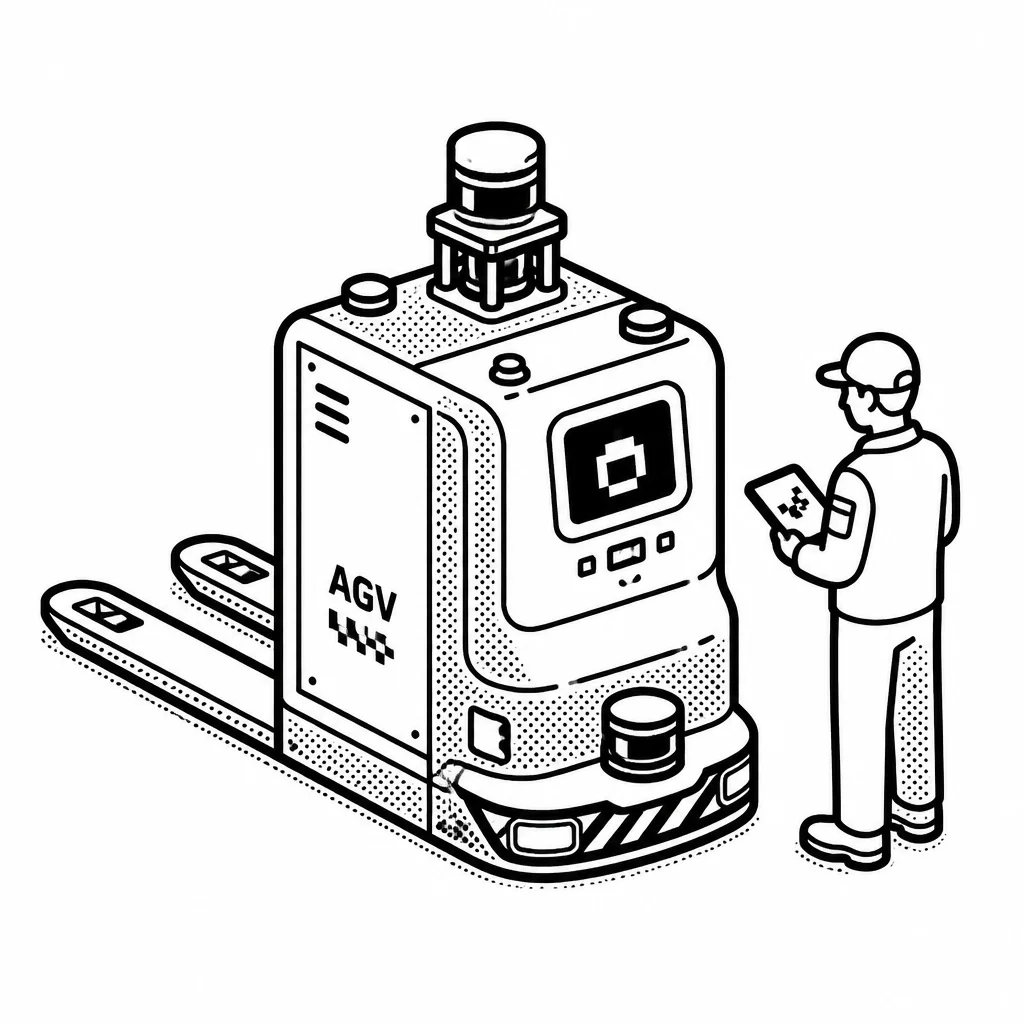
The core idea is simple. Warehouses already own forklifts, and replacing them all with exotic robots is expensive. Balyo's pitch is that you can automate the trucks you have. Its system uses cameras, lasers, and software to map the building and navigate it, so a standard forklift becomes a machine that can run pallet after pallet without a driver. That matters because warehouse labor is hard to find, expensive, and tiring, and running a forklift safely in a busy aisle is a real skill. A robot doesn't call in sick and doesn't need a lunch break. Balyo does not go it alone. It partners with big forklift makers who build its technology into their trucks, which gives it reach it could never get on its own. But that dependence cuts both ways: if a partner slows down or shifts strategy, Balyo feels it. The robot business is also expensive and slow — each warehouse is different, installations take time, and buyers move cautiously. The company has burned through cash and struggled to turn a profit, a common story for small hardware-and-software firms selling into factories.
The bigger picture is that Balyo is a small player in a market full of giants. Robotic warehouse automation is crowded, with deep-pocketed competitors and forklift makers building their own autonomous systems. Its shares no longer trade on Euronext Paris, and the company now sits under private ownership rather than as a listed stock. So the story now is less about a public stock and more about whether a small French robot maker can carve out a lasting niche in the slow, costly march toward automated warehouses.
Saved answer · last researched 15 Nov 2026