Understand any stock in simple English
Enter a ticker to learn what the company does and how it makes money.
Avaya Holdings Corp.
Avaya sells software and hardware that helps big organizations run their phone systems, customer service centers, and workplace communications.
Avaya is a business communications company. If you have ever called a big company's customer service line and heard a calm voice guide you through options before connecting you to a person, there is a decent chance Avaya software was running that call. The company sells phone systems, contact center software, and collaboration tools to large organizations around the world — the kind of behind-the-scenes plumbing that keeps a bank's help desk or a hospital's scheduling line working.
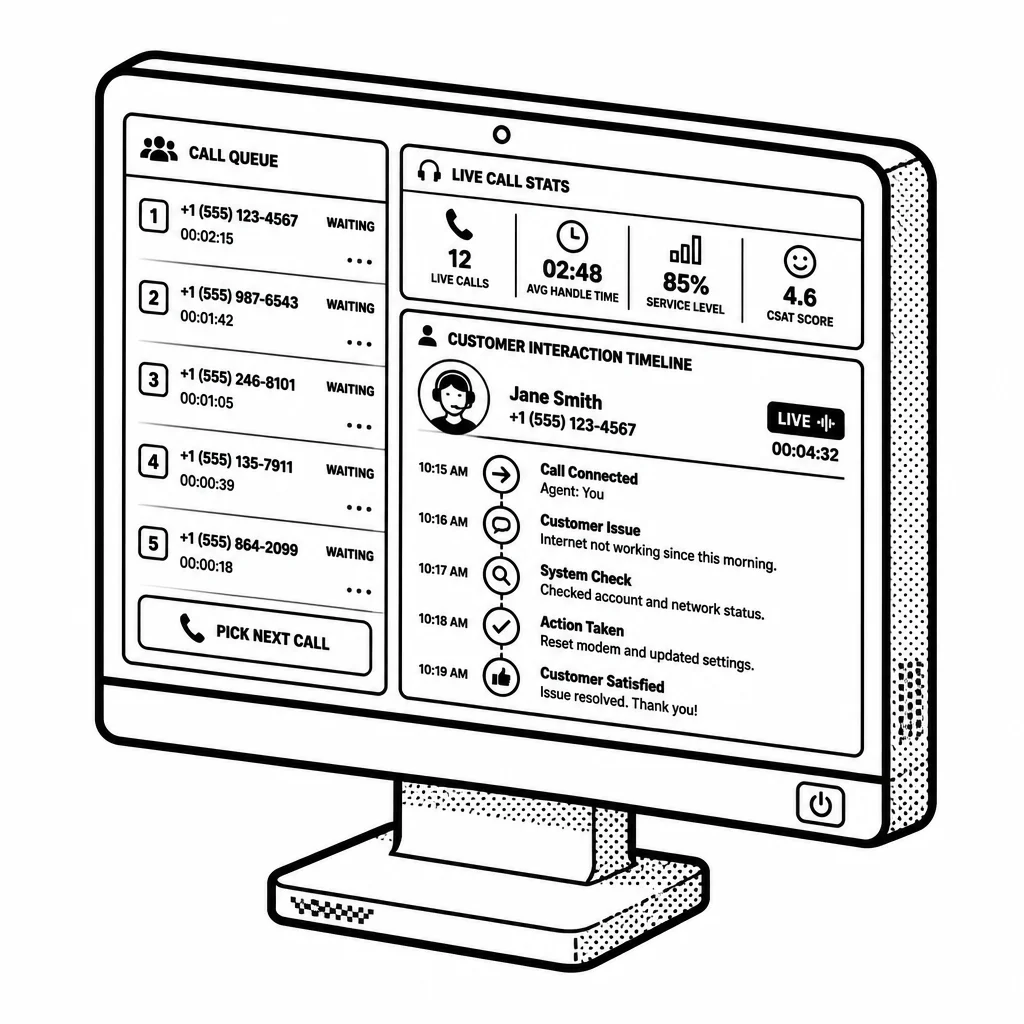
The business breaks into a few main pieces. One is unified communications: the modern version of the office phone system, now mostly software that lets employees call, message, and meet from wherever they are. Another is contact centers, the software that routes incoming calls and messages, tracks wait times, and helps agents handle customers efficiently. Avaya also sells the physical desk phones and devices that sit on those systems, plus services to install and maintain everything. Customers pay for licenses, hardware, and ongoing support, and they stick around because ripping out a phone system is a headache — switching costs are real. That stickiness cuts both ways. Avaya has been a familiar name in corporate telecom for decades, but it has also spent years fighting heavy debt and tough competition from cloud-native rivals. The company went through bankruptcy in 2017 and again in 2023, when it sold its business to creditors led by Apollo Global Management. That 2023 deal took Avaya off the New York Stock Exchange; its shares no longer trade publicly. So today Avaya is a private company owned by its former lenders, not a listed stock.
Being private gives Avaya room to rebuild without quarterly earnings pressure. The company now leans hard into cloud-based contact center software, where growth is, and it still serves a massive base of existing customers who run older systems. The core question for Avaya is simple: can it move those loyal customers to modern cloud products fast enough to matter, before nimbler competitors win them first?
Saved answer · last researched 15 Nov 2026