Understand any stock in simple English
Enter a ticker to learn what the company does and how it makes money.
Arla Foods amba
Arla is a farmer-owned dairy cooperative that turns milk into cheese, butter, yogurt, and milk powder and sells those products around the world.
Arla is one of the world's biggest dairy companies, and it is owned by the farmers who supply its milk. Thousands of dairy farmers across Denmark, Sweden, Germany, the UK, the Netherlands, Belgium, and Luxembourg are members of the cooperative. They don't get a fixed price for their milk; instead, Arla aims to pay them the highest price it can, and any profit flows back to the farmers as owners. So when you buy a block of Lurpak butter, a slice of Castello cheese, or a carton of milk, the money travels back toward the farm.
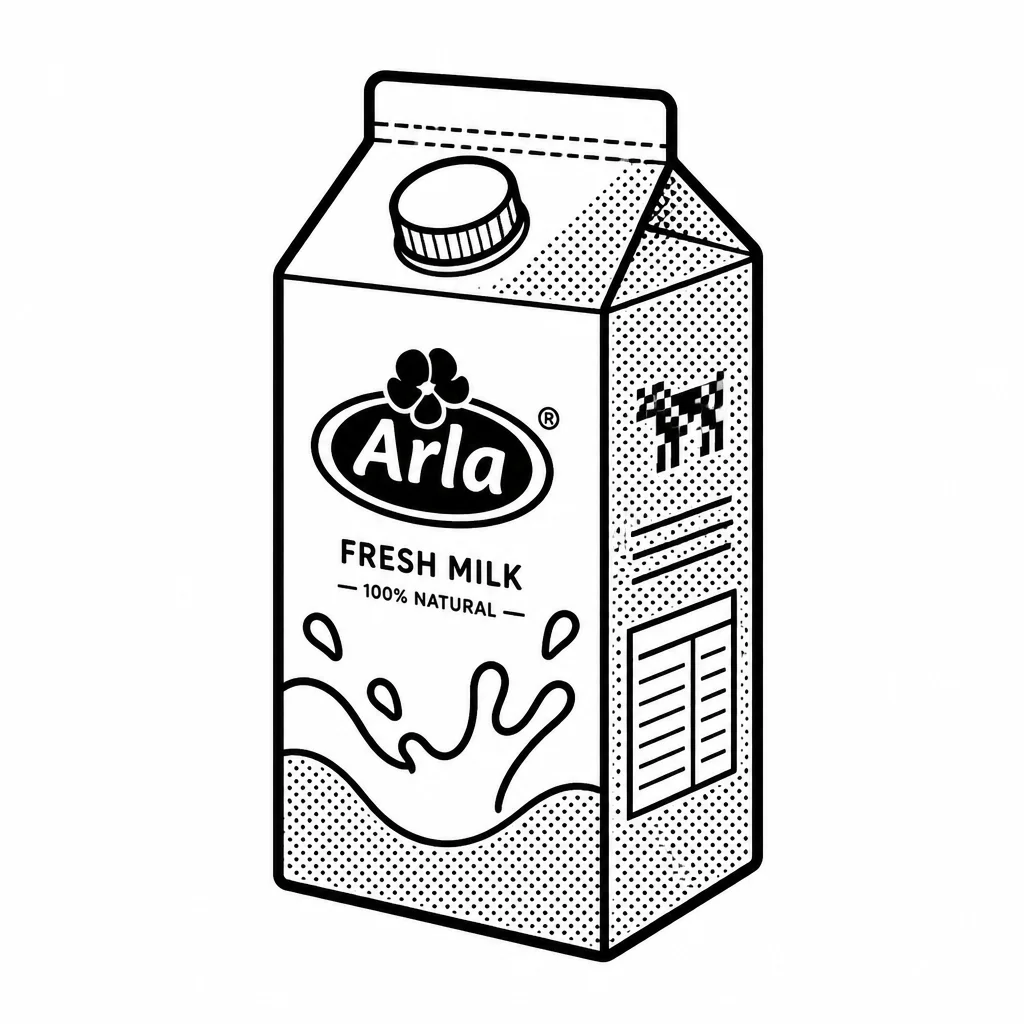
The business works because fresh milk is heavy, perishable, and cheap per liter. Arla solves that by moving the milk quickly into higher-value products and brands. Its biggest brand is Arla, but it also owns Lurpak butter and Castello cheese, which give it pricing power grocery stores don't have with plain milk. Most sales come from Europe, where Arla is a household name, but it also runs large "global ingredients" operations that sell milk powder and protein to food makers and infant formula producers, which is where a lot of the growth has come from in recent years. That split matters. In Europe, Arla competes mostly with other big dairy cooperatives and brands, and it is one of the strongest players. But dairy is a tough, low-margin business where prices swing with global milk supply and input costs like energy, feed, and fertilizer. Because farmers are the owners, Arla can't simply cut the milk price to protect profits when times get hard; the pressure goes both ways, and a farmer-owned structure means the company is designed to serve the farm, not to squeeze profit out of it.
Arla has also been pinched by the broader trends squeezing dairy: tight margins, price wars with discount grocers, and the rising cost of sustainable farming. On the upside, its strong brands and its ingredients division give it a steadier hand than pure commodity players. It is a private cooperative, so there's no stock to buy, and its real measure of success is the milk price it returns to the farmers who own it.
Saved answer · last researched 10 Nov 2026