Understand any stock in simple English
Enter a ticker to learn what the company does and how it makes money.
Allergan plc
Allergan makes branded prescription drugs, medical devices, biologic medicines, and over-the-counter products sold to patients around the world.
Allergan is a pharmaceutical company whose products show up in a lot of ordinary places: a dermatologist's office, a migraine sufferer's medicine cabinet, a bag of breast implants in an operating room, and the shelf where eye drops and skin creams sit. It sells branded prescription medicines, medical devices, biologic drugs, and over-the-counter health products to patients worldwide.
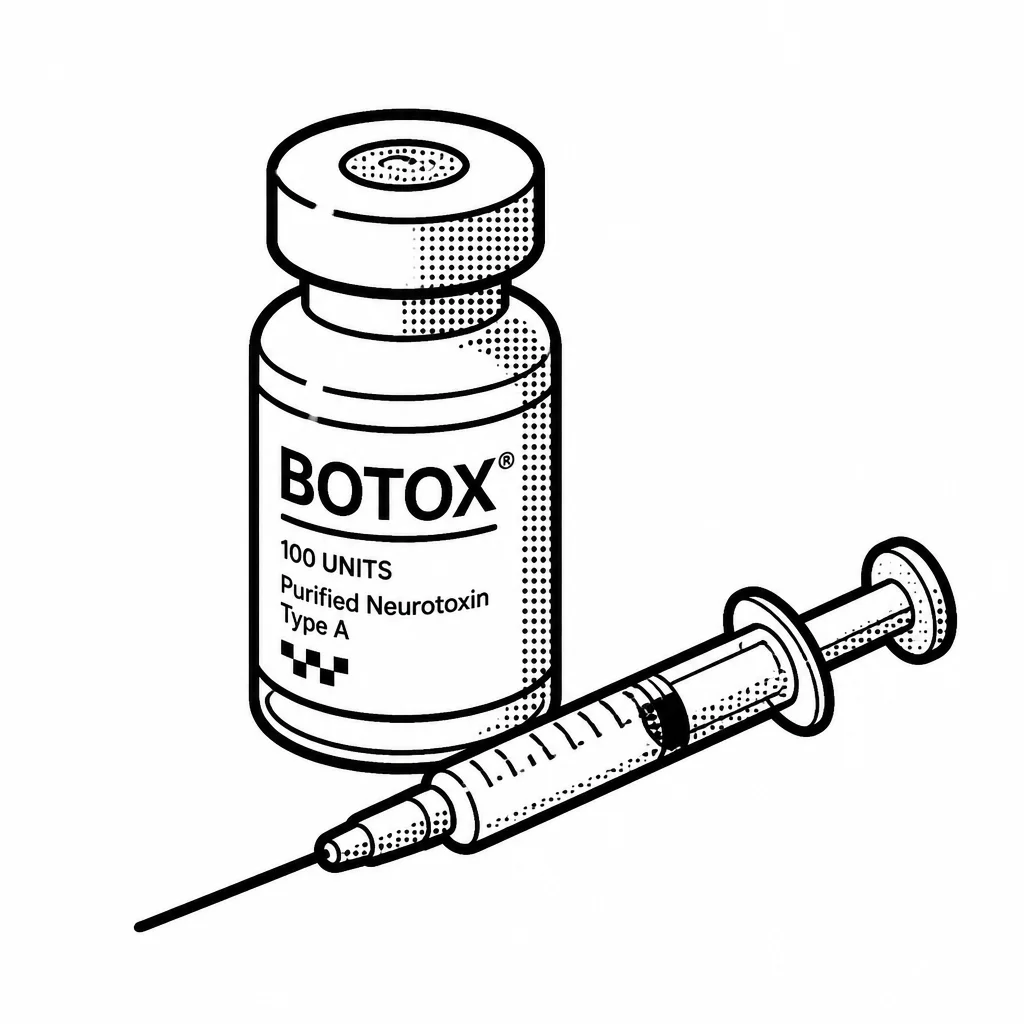
The business runs on a few big names. Botox is the famous one — a drug that smooths wrinkles but also treats chronic migraines, muscle spasms, and overactive bladder, which is why it earns far more as a medicine than as a beauty treatment. Allergan also makes fillers and other facial aesthetics products, eye-care drugs like Restasis, and a range of medical devices including breast implants and obesity balloons. Customers are doctors, hospitals, and clinics that choose these brands, plus consumers buying products like dry-eye drops off the shelf. Allergan is no longer an independent public company. AbbVie bought it in a deal completed in May 2020 for roughly $63 billion, folding Botox and the rest of the portfolio into its own drug business. That purchase was largely a bet on Botox and the aesthetics franchise, which AbbVie saw as a durable, cash-generating growth engine. Since then, Allergan exists as a business unit inside AbbVie rather than as its own listed stock.
The appeal and the risk sit in the same place. Branded drugs and devices carry high margins and loyal prescribers, and Botox in particular is hard to copy and keeps finding new medical uses. But pharma is a treadmill: patents expire, cheaper competitors arrive, and companies must keep refilling the pipeline. AbbVie's own top seller, Humira, has faced exactly that wave of competition, which is part of why buying Allergan's diversified portfolio made strategic sense.
Saved answer · last researched 14 Nov 2026
BIG PICTURE
Most people getting aesthetic treatments worry they will end up looking fake
- 71% Aesthetic treatment users who fear an artificial or overdone look
- 29% Those not worried about looking overdone
In a survey of more than 12,000 people across nine countries, 71% of those who get aesthetic treatments said looking artificial or overtreated was their biggest worry. Allergan Aesthetics sells Botox and Juvéderm fillers, so its customers arrive wanting a fresher face, yet afraid of a frozen one. The company leans on doctors and training programs to promise results that still look like you. Source: Layered Beauty: The New Aesthetic Mindset, Allergan Aesthetics (via Infosalus), data from 2026
Timeline
A Nose Drop Starts a Company
In Los Angeles, a pharmacist named Gavin Herbert and a chemist named Stanley Bly mixed up an anti-allergy nose drop and sold it under the name Allergan. The drops pulled the little company into eye care, and a few years later Allergan became an official company. It was a small start that would grow far beyond noses.
Allergan Goes Public
After years of focusing on eye products, Allergan sold shares to the public, giving it money and attention to grow.
SmithKline Buys Allergan
A bigger drug company, SmithKline, bought Allergan. Years later SmithKline spun it back out, and Allergan returned to being its own public company, this time much larger and profitable.
Botox Enters the Picture
Allergan bought a small company called Oculinum that made a product for eye muscle disorders, and renamed it Botox. Nobody knew it yet, but this would become the company's flagship product and the seed of a whole new business in medical aesthetics.
Botox Wins Approval for Wrinkles
Dermatologists had started using Botox off-label to smooth wrinkles in the 1990s, and in 2002 the FDA officially approved it for cosmetic use. Botox became a blockbuster, eventually the company's best-selling product.
Valeant Makes a Hostile Bid
Valeant, working with investor Bill Ackman, launched a hostile takeover bid for Allergan, eventually raising it to over fifty billion dollars. Allergan said no, arguing Valeant's habit of buying up companies and squeezing them was too risky to trust. The fight would shape both companies for years.
Actavis Buys Allergan
Actavis stepped in and bought Allergan in a deal worth about seventy billion dollars, ending Valeant's hostile pursuit. Actavis then took the Allergan name for itself, creating a large diversified drug company.
The Pfizer Merger Falls Apart
Allergan and Pfizer tried to merge in a huge deal, but new US Treasury rules in 2016 undercut the tax-inversion reason behind it, and the deal collapsed. Allergan lost the tax-saving combination it had chased.
A Big Sale Leaves Cash to Spend
When Allergan sold its generic drug business to Teva, it was left with roughly forty billion dollars to spend. It used some of that money to buy back its own stock and some for smaller acquisitions.
AbbVie Agrees to Buy Allergan
After investors grew unhappy with Allergan's stock performance, AbbVie agreed to acquire the Botox-maker in a sixty-three billion dollar deal. The combined company would be based in the US for tax purposes.
Trouble in the Allergan Unit
Under AbbVie, the Allergan unit kept cutting jobs at its Irvine campus as its sales fell. A fast-acting next-generation Botox failed to win FDA approval, putting pressure on AbbVie's growth plans in aesthetics and eye care now that its old top drug Humira faces competition.