Understand any stock in simple English
Enter a ticker to learn what the company does and how it makes money.
Al-Futtaim Group (also known as Al-Futtaim Group P.J.S.C. / Al-Futtaim Private Company LLC)
Al-Futtaim is a big family-owned conglomerate based in Dubai that runs car dealerships, shopping malls, retail stores, and many other businesses across the Middle East and Asia.
Al-Futtaim is one of the biggest family businesses in the Middle East. It runs a huge spread of companies, but most people meet it through three everyday things: cars, shops, and malls. It is the exclusive distributor of Toyota and Lexus vehicles in the UAE, and its automotive arm sells and services cars across the Gulf, Egypt, and beyond. On the retail side, it brought IKEA to the region and operates stores like Marks & Spencer and Toys "R" Us. It also builds and runs major shopping centres, including Dubai Festival City, and owns the Festival City mall brand.
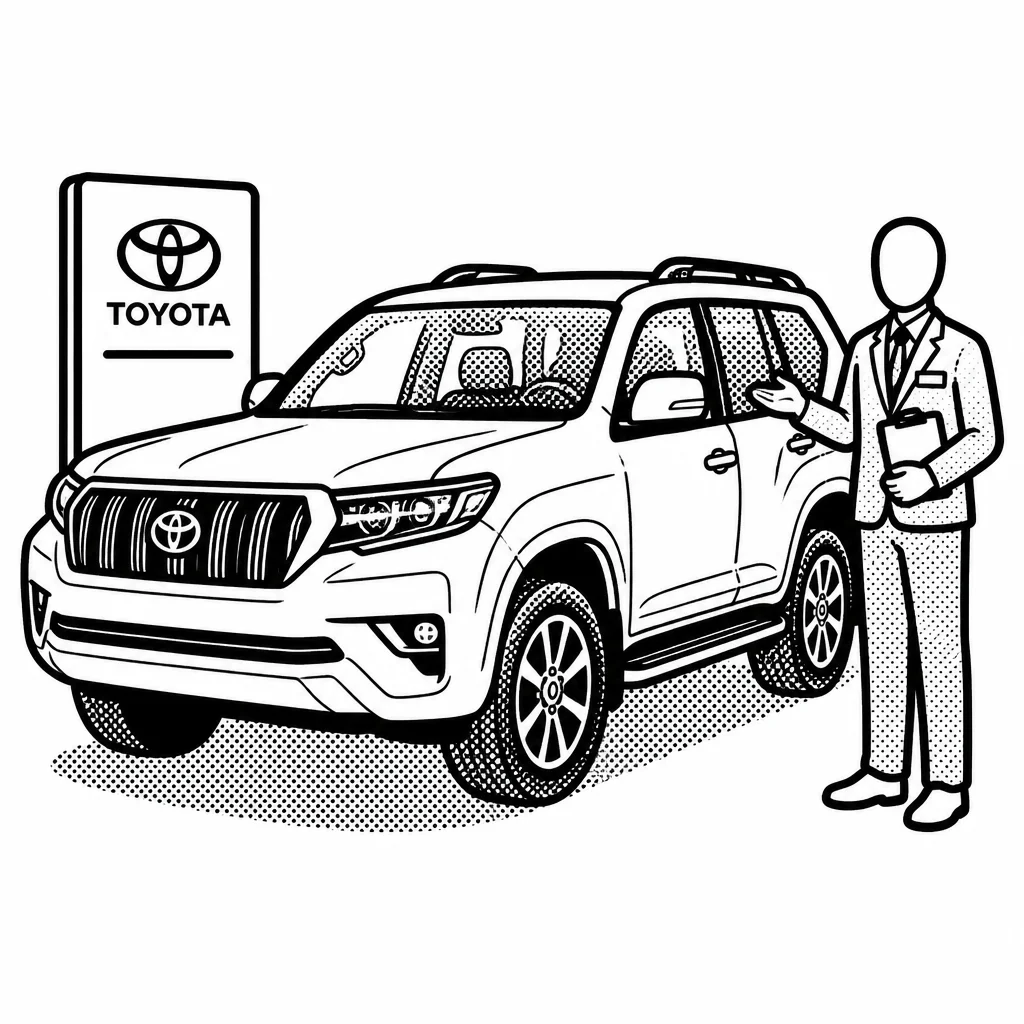
The way it makes money is refreshingly simple. In automotive, it buys cars from manufacturers and sells them to customers, then keeps earning by servicing them and selling parts for years afterward. In retail, it runs franchise stores and keeps a slice of the sales. In real estate, it develops malls and buildings and collects rent from the tenants who set up shop inside. Customers choose Al-Futtaim largely because it controls the local rights to global brands — if you want a new Toyota in Dubai, or a trip to IKEA, Al-Futtaim is often the only door. The company is privately held and has been run by the Al-Futtaim family since the 1930s, when it started as a trading business in the Gulf. Today it operates across the UAE, Saudi Arabia, Egypt, Qatar, Oman, Bahrain, Kuwait, Pakistan, and Singapore, among other markets. Because it is private, it does not publish the kind of detailed financial reports a listed company must, which makes it harder for outsiders to judge exactly how each piece is performing. That opacity is a real drawback for anyone trying to value the business. Its biggest strengths are scale, long-standing brand partnerships, and deep local knowledge built over decades. Its biggest vulnerabilities are the opposite side of the same coin: it depends heavily on franchise agreements it does not own, and a handful of those partnerships ending would hurt. It is also exposed to consumer spending and to the car market, both of which swing with the economy.
Al-Futtaim has poured money into new malls, new markets like Egypt, and newer ventures such as healthcare and education. It also backs a major real estate and retail push through its Festival City developments. The family's willingness to keep reinvesting rather than cash out is the quiet engine behind its growth.
Saved answer · last researched 10 Nov 2026