Understand any stock in simple English
Enter a ticker to learn what the company does and how it makes money.
Zignago Vetro S.p.A.
Zignago Vetro makes glass bottles and jars for food, drinks, cosmetics, and perfume companies.
Zignago Vetro makes the glass things that hold other things. Its factory furnaces melt sand and other ingredients into bottles and jars, and those containers end up holding wine, olive oil, sauces, perfume, and face cream. The company sells mostly to other businesses, not to you directly. Food and drink producers buy its bottles because glass keeps flavors fresh and looks premium on a shelf, and because glass can be recycled endlessly. Cosmetics and perfume brands pay more for fancy, thick-walled bottles where the packaging itself is part of the product.
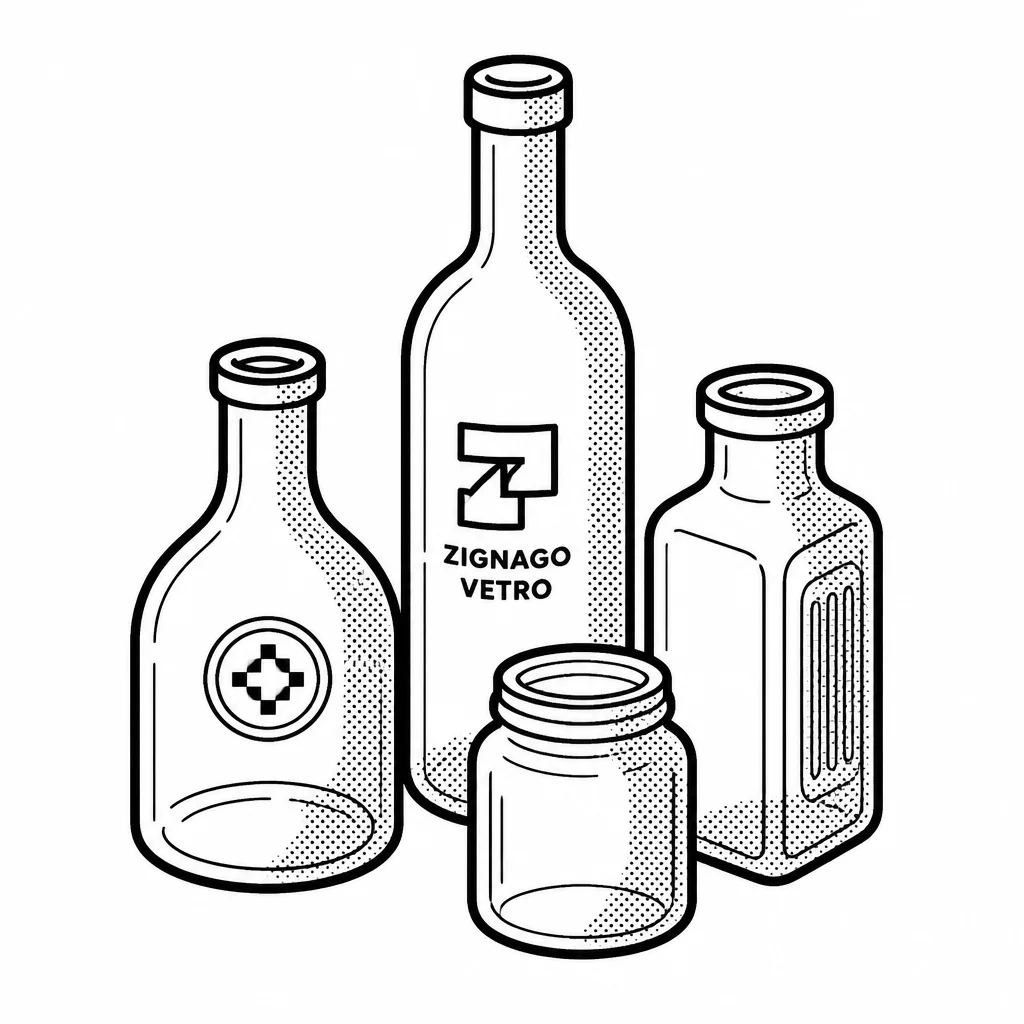
The business runs on scale and heat. Glassmaking is heavy industry: furnaces must burn around the clock, and stopping one is expensive, so factories need to run near full to make money. That makes Zignago's results swing with energy prices and with how busy its customers are. It also means the company benefits from being one of the larger players in a tough, capital-hungry industry where building a new furnace takes years and big money. Based in Fossalta di Portogruaro in northern Italy, it runs several plants and sells across Europe and beyond. Behind the simple product sits a cost advantage. Zignago makes much of its own glass in-house and even recycles used glass back into new bottles through a subsidiary, Vetri Speciali, which lets it control quality and raw material costs. Its customers are typically large beverage, food, and beauty companies that want reliable supply and consistent quality, and switching glass suppliers is a hassle, so relationships tend to be sticky. A lot of its growth has come from premium spirits and cosmetics, where bottles are more elaborate and margins are richer.
The risks are real. Energy is a huge cost, and European gas prices have whipsawed in recent years. Demand depends on how much wine and spirits people drink and how much perfume they buy, and a squeeze on consumer spending hits both. Competition comes from other big glassmakers, and customers can push back on price. Still, glass has one quiet superpower: it is one of the most recycled packaging materials around, which matters more as rules against plastic tighten. Zignago also returns cash to shareholders through dividends, and it has bought back its own shares in recent years.
Saved answer · last researched 12 Nov 2026