Understand any stock in simple English
Enter a ticker to learn what the company does and how it makes money.
Zealand Pharma A/S
Zealand Pharma invents and sells peptide-based medicines for gastrointestinal and metabolic diseases, and earns money by licensing promising drug candidates to larger partners and, increasingly, by selling its own approved drugs.
Zealand Pharma is a Danish drugmaker that builds medicines from peptides — short chains of amino acids, the same basic stuff your body already uses as signals. Its focus is on the gut and on metabolism: conditions like short bowel syndrome, where people cannot absorb enough nutrients, and the booming world of weight-loss and diabetes drugs. The company makes its money two ways. It signs licensing deals with bigger partners who take its experimental medicines through late-stage testing and pay Zealand upfront cash plus royalties if the drugs sell. And it is now selling its own approved products directly, which is a newer and riskier chapter for a company that spent most of its life as a research shop.
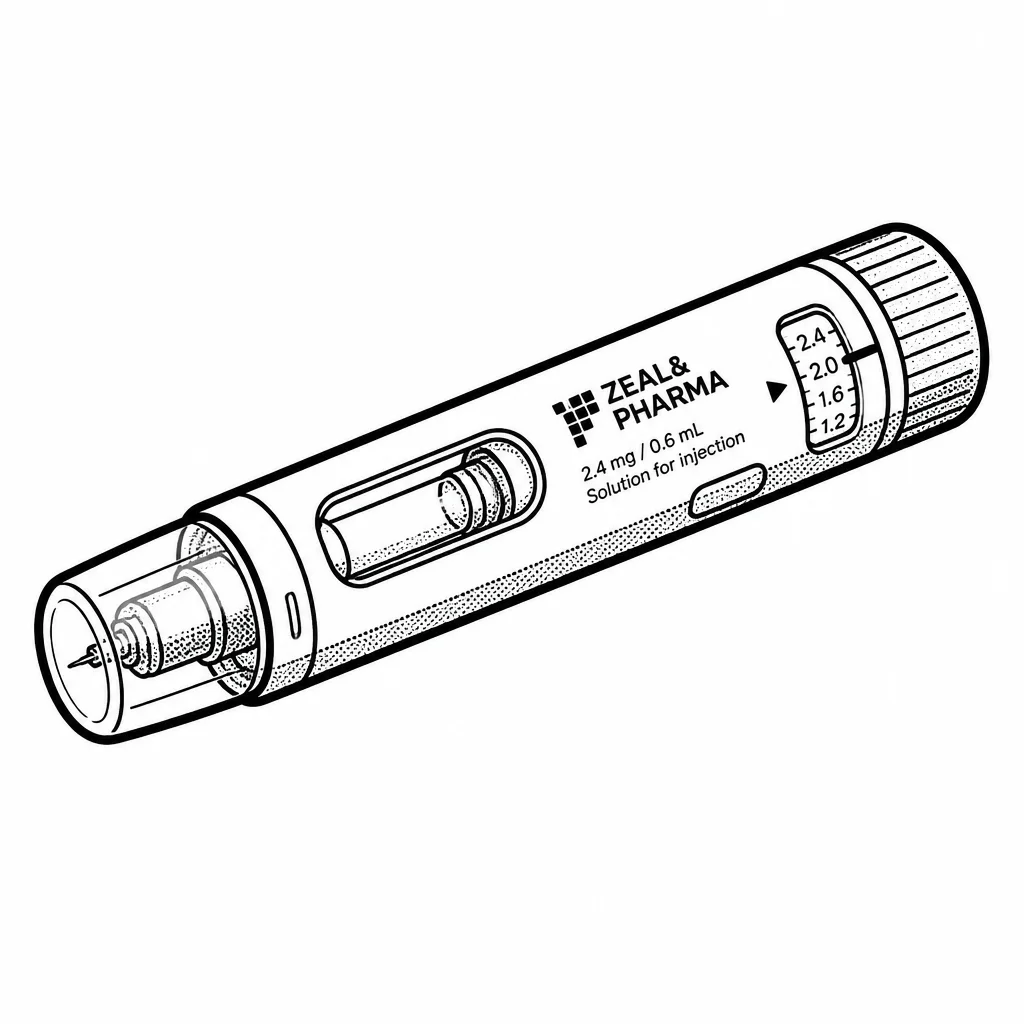
The most important thing to know about Zealand is a single molecule called survodutide, a weight-loss and liver drug it developed with Boehringer Ingelheim — a large private German drugmaker with no stock ticker of its own. Zealand licensed it out and stands to collect payments and royalties if it succeeds. That partnership is the engine of the investment story: a small Danish biotech piggybacking on a giant's sales force and trial budget. It also has an approved drug, glepaglutide, sold as Glepaglutide for short bowel syndrome, plus a smaller portfolio of partnered programs. The business is genuinely risky. Drug development is a long, expensive lottery, and Zealand burns cash on research while waiting for partners and regulators. Its fortunes swing on trial results and approval decisions, not on steady subscription revenue. A failed study or a slow regulatory review can knock the stock hard, and the company has historically relied on deal money rather than profits to keep going. That is the trade-off investors accept: a shot at a big payout if its peptides become blockbuster medicines, in exchange for genuine uncertainty along the way.
Headquartered in Copenhagen and listed there, Zealand is a bet on peptides as a platform rather than a single product. The obesity and metabolic boom — driven by drugs from Novo Nordisk and Eli Lilly — has made the space enormously valuable, and Zealand's pitch is that its next-generation peptides can compete on convenience and effectiveness. Whether that pitch pays off depends on trials it does not fully control, which is the honest heart of the story.
Saved answer · last researched 12 Nov 2026