Understand any stock in simple English
Enter a ticker to learn what the company does and how it makes money.
Weyerhaeuser Company
Weyerhaeuser grows and harvests trees, turns them into lumber and building products, and sells land, mostly to homebuilders and industrial customers.
Weyerhaeuser is a timber company, which means its core business is growing trees and then cutting them down. It owns or controls millions of acres of forest across North America and manages them like a slow-motion farm: plant, wait, harvest, replant. The wood goes into lumber, oriented strand board (the engineered panels that sheath most American houses), and other building products, which it sells to builders, dealers, and industrial customers worldwide. A third leg of the business sells land, often to residential developers.
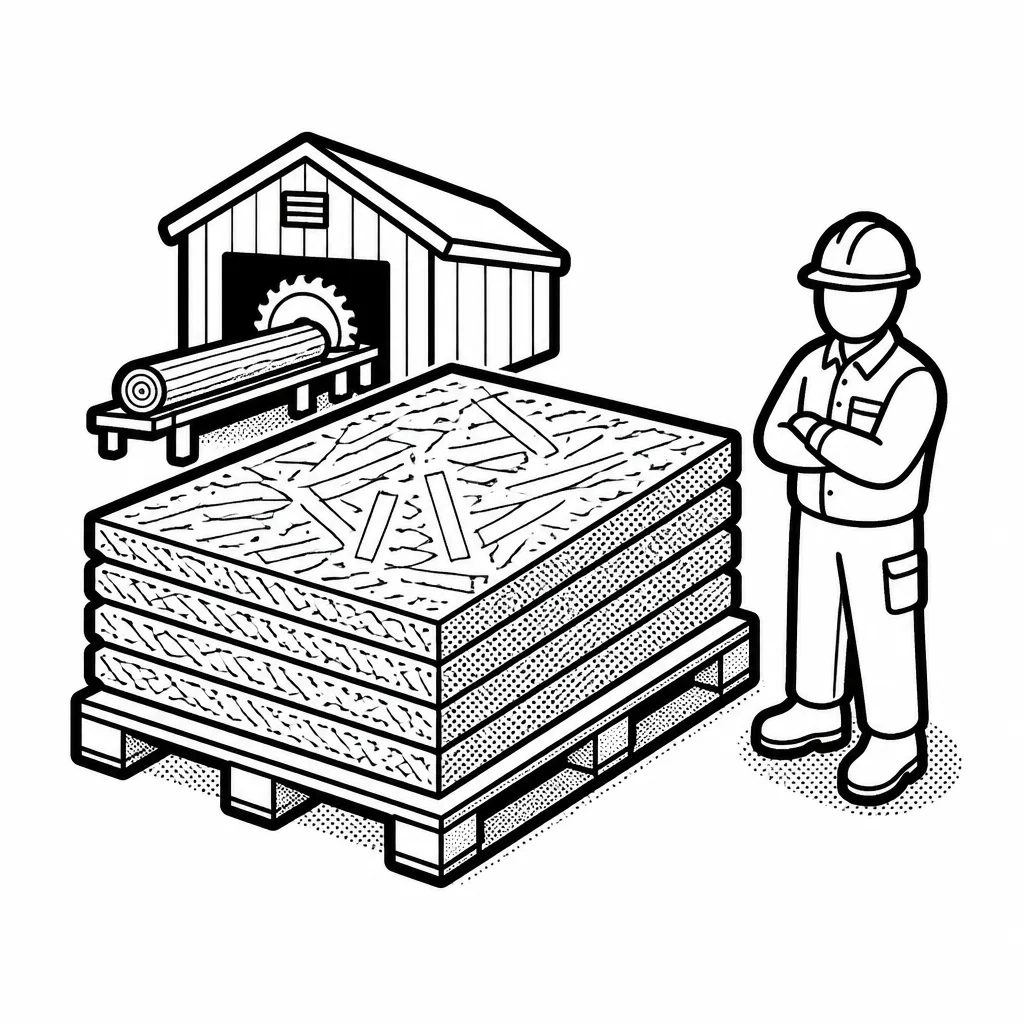
The money comes from two main engines. One is the wood products division, which runs sawmills and panel plants and earns a spread between what a log costs and what finished lumber fetches — a spread that swings hard with housing markets. The other is the timberlands division, which sells logs and also collects payments from companies that want to buy standing timber. Weyerhaeuser also runs a real estate arm that sells land, and the company operates as a real estate investment trust, meaning it generally pays out most of its taxable income to shareholders as dividends. That structure rewards patient owners with steady cash rather than fast growth. The simple truth about this business is that it is a bet on American housing. When people build and remodel homes, lumber demand rises, prices jump, and Weyerhaeuser's mills and forests get more valuable. When housing stalls, prices fall and profits shrink. Its giant land base is a genuine moat — trees take decades to grow, so new supply cannot appear quickly — and that scarcity gives the company pricing power over time. But it is also cyclical and exposed to tariffs, interest rates, and the health of the construction industry, which is why its results bounce around year to year.
Weyerhaeuser has spent recent years simplifying itself, selling off non-core businesses to focus on timber and wood products, and returning cash to shareholders through dividends and buybacks. It competes with other big forest products companies, but its scale and its ownership of the land itself set it apart: most rivals buy logs on the open market, while Weyerhaeuser largely grows its own.
Saved answer · last researched 12 Nov 2026