Understand any stock in simple English
Enter a ticker to learn what the company does and how it makes money.
Wolford Aktiengesellschaft
Wolford makes and sells premium tights, lingerie, and women's clothing, mostly through its own boutiques and department stores.
Wolford is an Austrian clothing company that most people know for one thing: very expensive tights. Founded in 1950 in Bregenz, a small town on the edge of the Alps, it built its reputation on legwear that felt more like luxury than underwear — sheer pantyhose, opaque tights, and seamless pieces that cost several times what you'd pay at a supermarket. From that base it expanded into lingerie, bodysuits, dresses, and accessories, all aimed at women who want their clothes to fit perfectly and last.
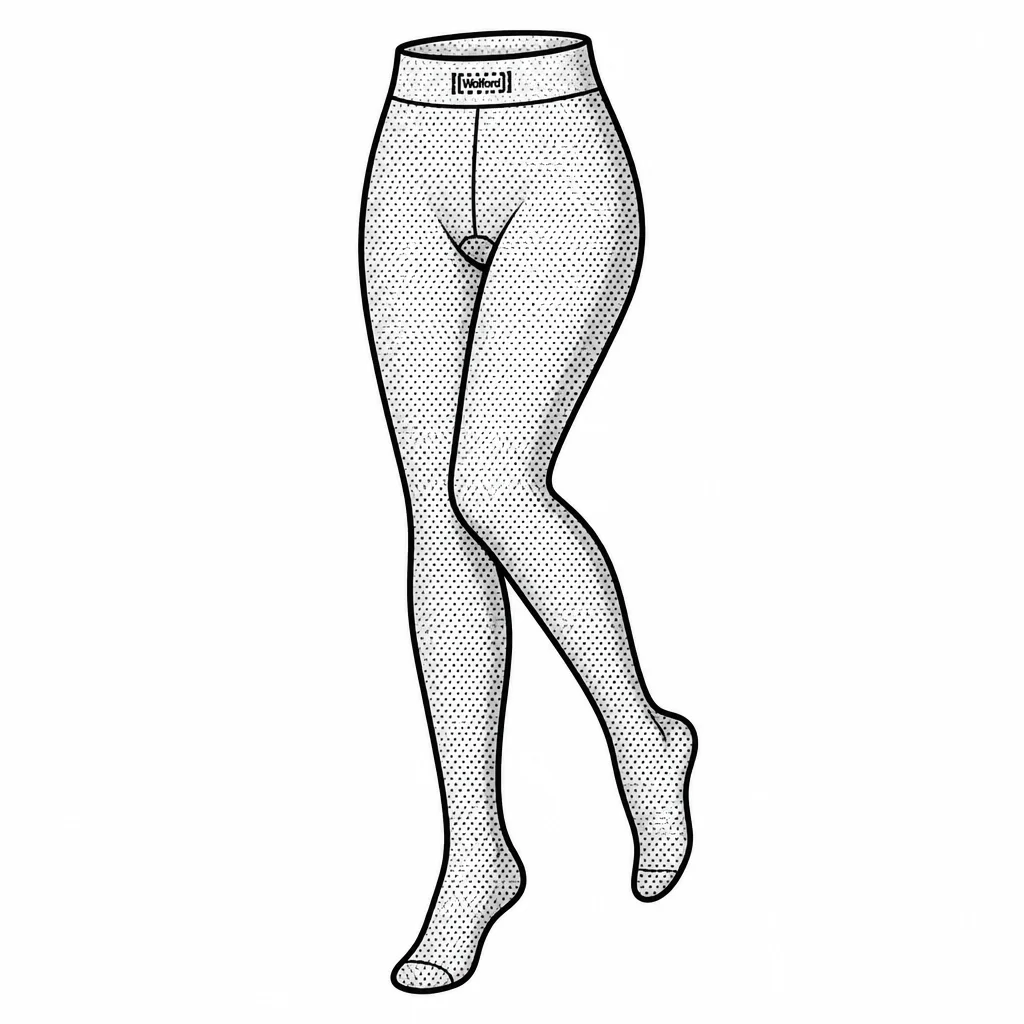
The business runs on a simple idea: charge a premium and sell through channels that protect that premium. Wolford sells mostly through its own boutiques — several hundred of them spread across Europe, North America, and Asia — plus department stores and online. Because it controls its own stores, it keeps more of the retail price and can present the brand exactly the way it wants. Its customers are not buying tights because they need something to cover their legs; they are buying a name and a fit. That is a harder business than it sounds, because luxury legwear competes with both cheap alternatives and much bigger fashion houses. The trouble is that a premium price only works if enough people keep paying it. Wolford has struggled for years to make money consistently. The company went through a painful stretch after the 2008 financial crisis, and in 2018 it was rescued by a Chinese investor, the Fosun group, which took a majority stake. Fosun brought cash and a push into Asia, but the business has remained small and fragile. Recent years brought the pandemic, which closed boutiques, and then rising costs, which squeezed margins further. Revenue has hovered in the low hundreds of millions of euros — real money, but tiny next to the big fashion groups.
What makes Wolford interesting is the tension at its core. It has a genuinely strong brand in a narrow niche, made in its own factories in Austria, which gives it quality control that most rivals lack. But it is stuck between two hard places: it is too expensive to compete on volume, and too small to absorb shocks the way a global luxury group can. Whether Fosun can turn that niche strength into steady profit is the open question, and it is the thing to watch if you follow the company.
Saved answer · last researched 14 Nov 2026