Understand any stock in simple English
Enter a ticker to learn what the company does and how it makes money.
Woolworths Holdings Limited
Woolworths runs premium food, clothing, and home stores plus financial services, mostly in South Africa and Australasia.
Woolworths is a South African retail group that sells the nicer end of everyday life: fresh food and groceries, clothing, homeware, beauty products, and even credit cards and insurance through its stores. If you live in a middle-class South African suburb, its bright green signage is a familiar sight at the local mall. It also owns businesses in Australia and New Zealand, so it is not just a South African story.
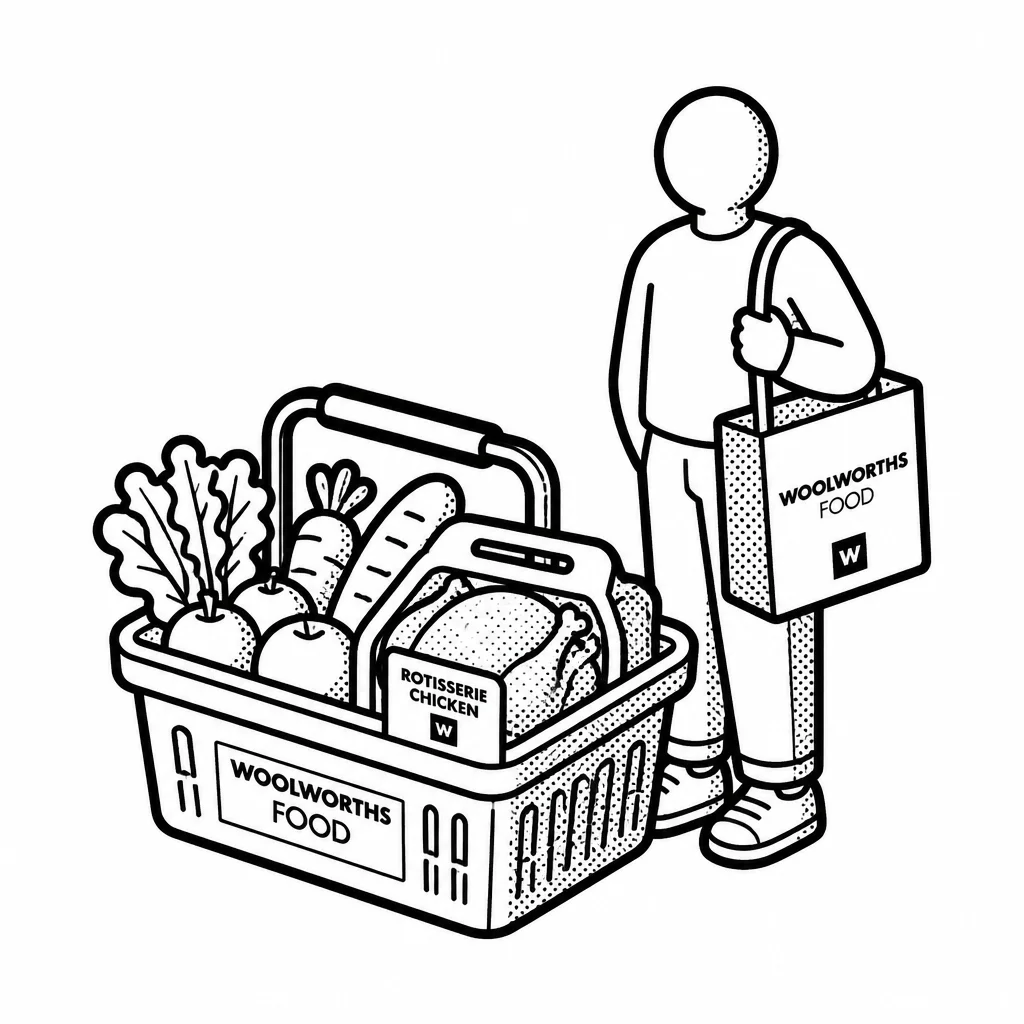
The company has two distinct engines. The first is its South African stores, which lean upmarket: shoppers pay a premium for quality food, well-made clothes, and a shopping experience that feels a cut above the budget chains. The second is its Australasian operations, built around the Country Road and Trenery clothing brands and the Witchery label — fashion retailers that sell through their own stores and online. Alongside all this sits Woolworths Financial Services, which issues store cards and other credit products, letting customers borrow to shop and giving the group a steady stream of interest and fee income. The core appeal is trust and quality rather than low prices. Woolworths competes for food spend against big supermarket groups like Shoprite and Pick n Pay, and in fashion against a long list of local and international brands. It wins by being the store people choose when they want to feel confident about what they are buying, whether that is a ready meal, a winter coat, or a gift. That positioning is powerful, but it is also fragile: when household budgets get tight, shoppers trade down to cheaper rivals, and Woolworths feels it quickly. Australia and New Zealand give the group a second leg, but they also bring currency swings and different retail conditions that can push results around. Like any retailer, Woolworths is sensitive to consumer confidence, interest rates, and the cost of running stores, and its clothing and homeware sales can lag when people tighten their belts. Its financial services arm adds profit but also credit risk — if borrowers struggle to repay, the group takes the hit.
Woolworths turns its profits into dividends for shareholders and into keeping its stores fresh and its brands desirable. The business has had its stumbles over the years, and its upmarket niche means it rarely has the cheapest prices on the shelf. Its real bet is that enough customers will keep paying a little more for the reassurance of the Woolworths name.
Saved answer · last researched 12 Nov 2026