Understand any stock in simple English
Enter a ticker to learn what the company does and how it makes money.
WHA Premium Growth Freehold And Leasehold Real Estate Investment Trust
It owns industrial warehouses and distribution centers in Thailand and pays the rent it collects out to its investors.
WHA Premium Growth is a real estate investment trust, or REIT — a simple machine that owns buildings and hands the rent to the people who put up the money to buy them. The buildings in this case are industrial and logistics warehouses and distribution centers, mostly clustered in Thailand's big industrial parks and near Bangkok's airports and ports.
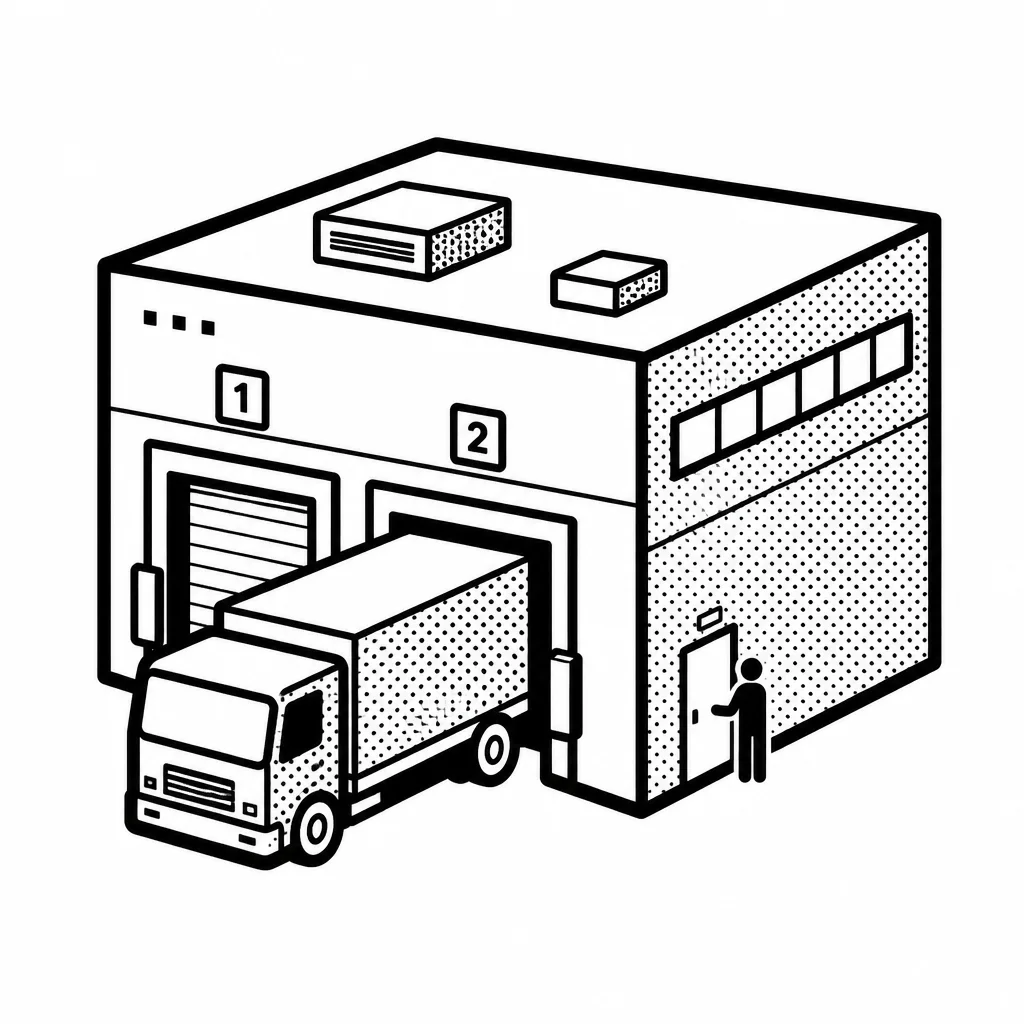
Its customers are blue-chip manufacturers and logistics companies — the kind of firms that need somewhere reliable to store goods and move them fast, from consumer brands to electronics makers to delivery operators. These tenants usually sign long leases because moving a warehouse is painful and expensive. That gives the trust a steady, predictable stream of rent, largely locked in for years. The money flows in a clear circle: tenants pay rent, the trust covers its costs and the property manager's fees, and then it must pay out almost all of its taxable profit to unitholders — Thai REIT rules require at least 90%. So investors mostly own this for income, not excitement. The trade-off is that growth depends on buying new buildings or raising rents, and the trust can only expand by issuing more units or borrowing, which dilutes or adds risk.
Its main vulnerabilities are concentration and the economy. A handful of large tenants can matter a lot, and demand for warehouse space rises and falls with manufacturing and trade — a slowdown in Thai exports or global supply chains hits the whole sector. Competition comes from other industrial REITs and property funds chasing the same tenants, plus developers who can simply build new warehouses. WHA Premium Growth's edge is its tie to the WHA group's industrial estates, which gives it a pipeline of ready-made warehouse projects to buy as they fill up.
Saved answer · last researched 12 Nov 2026