Understand any stock in simple English
Enter a ticker to learn what the company does and how it makes money.
Western Forest Products Inc.
Western Forest Products grows and harvests trees in coastal British Columbia and turns them into lumber, logs, and engineered wood products sold around the world.
Western Forest Products is a Canadian forest products company. It owns and manages forests, mostly on the coast of British Columbia, and it turns the trees it harvests into the building materials people use to frame houses, build decks, and construct industrial structures. Its main products are softwood lumber, raw logs, and glulam — big engineered beams glued together from smaller pieces of wood, strong enough to hold up roofs and bridges.
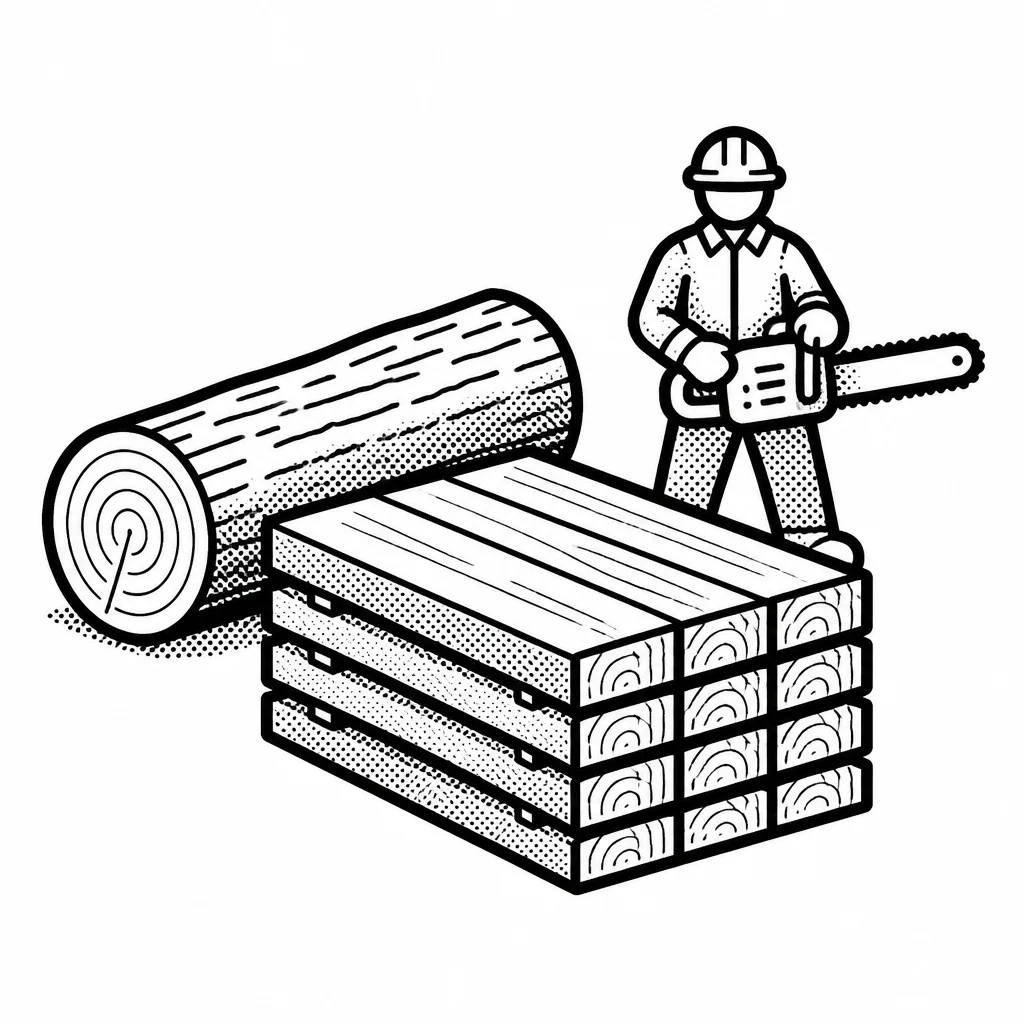
The company makes money in a few connected ways. It sells finished lumber to builders, retailers, and distributors, mostly in North America but also in Asia and other export markets. It sells raw logs directly, especially to customers overseas who want the wood in its unprocessed form. And it sells glulam and other specialty wood products for construction projects. Its customers choose Western because it controls its own timber supply, which means it can deliver a dependable product from forest to finished board. A forest products company is really a bet on housing and construction. When people build homes and renovate, demand for lumber rises; when building slows, prices fall and mills feel the squeeze. Western is also exposed to things it cannot control: the price of lumber on global markets, the cost of shipping, and the health of the forests it depends on. In recent years, the mountain pine beetle has killed huge swaths of British Columbia's pine, and fires and drought have added pressure. The company has had to adapt its harvest plans and mill operations around a shrinking timber base.
Western has weathered some hard years, including losses when lumber prices collapsed after the pandemic building boom cooled. It has also been the subject of takeover interest — most notably a hostile bid from rival lumber producer Paper Excellence-affiliated interests, which it fought off. The company remains focused on its coastal British Columbia operations, its mills, and its export relationships, and on managing the forest land it holds for the long term. That land is both its biggest asset and its biggest constraint: you can only harvest so much each year, and everything else follows from that.
Saved answer · last researched 16 Nov 2026