Understand any stock in simple English
Enter a ticker to learn what the company does and how it makes money.
Waterco Limited
Waterco makes and sells the equipment that keeps swimming pools and spas clean and safe, and runs a chain of pool-care stores.
Waterco is an Australian company that sells the machines and chemicals that keep swimming pools and spas clean. If you own a backyard pool, the pump that circulates the water, the filter that traps the dirt, and the heater that takes the chill off are the kinds of things Waterco makes. It sells to pool builders, pool shops, and directly to pool owners, mostly under its own brand names.
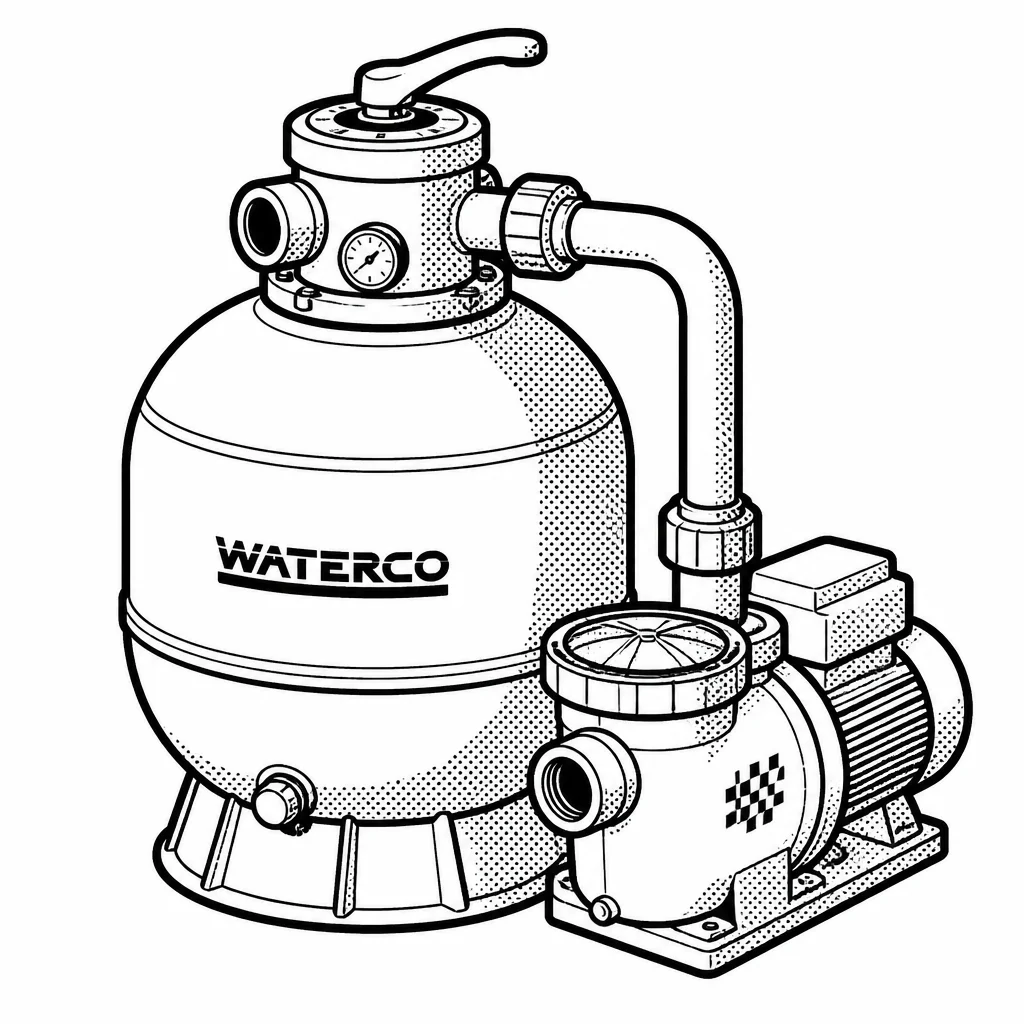
The business runs in two main parts. The first is manufacturing and distribution: Waterco designs and builds pumps, filters, heaters, and water-treatment gear in its own factories, then ships them to customers around the world, with big markets in Australia, Europe, and North America. The second part is Swimart, a franchise chain of pool-care stores and mobile services. Franchisees pay Waterco for the right to use the brand and buy supplies through the system, while Waterco earns money from both the wholesale products and the franchise relationship. This is a steady, unglamorous business. People don't replace a pool pump for fun; they do it when the old one dies or the water turns green. That gives Waterco recurring demand tied to the huge installed base of pools, plus the consumables like filters and chemicals that pools chew through. The company also sells water-treatment equipment for drinking water and wastewater, which broadens it beyond backyard pools. Its main competition comes from other pool-equipment brands and cheaper imports, so reputation, dealer relationships, and reliability matter more than flashy marketing.
Waterco is a small company by global standards, which cuts both ways: it can be nimble and niche-focused, but it has less scale than larger pool-industry players and is exposed to housing markets, interest rates, and the willingness of families to spend on their pools. Pool spending tends to track new home and renovation activity, so when building slows, equipment sales feel it. The company has grown through a mix of its own manufacturing and small acquisitions, and it returns cash to shareholders partly through dividends. For a small Australian manufacturer competing globally, the pitch is simple: own the equipment that pool owners can't do without, and keep them coming back through the Swimart network.
Saved answer · last researched 14 Nov 2026