Understand any stock in simple English
Enter a ticker to learn what the company does and how it makes money.
Wallenstam AB (publ)
Wallenstam builds, owns, and rents out homes and commercial buildings in Sweden, and also sells some of the properties it develops.
Wallenstam is a Swedish property company that owns and manages thousands of apartments and commercial spaces, mostly in and around Gothenburg and Stockholm. In simple terms, it makes money by renting out homes and offices — collecting rent every month from tenants who need a place to live or work. That steady rent is the heart of the business, and it is why the company can grow slowly and reliably.
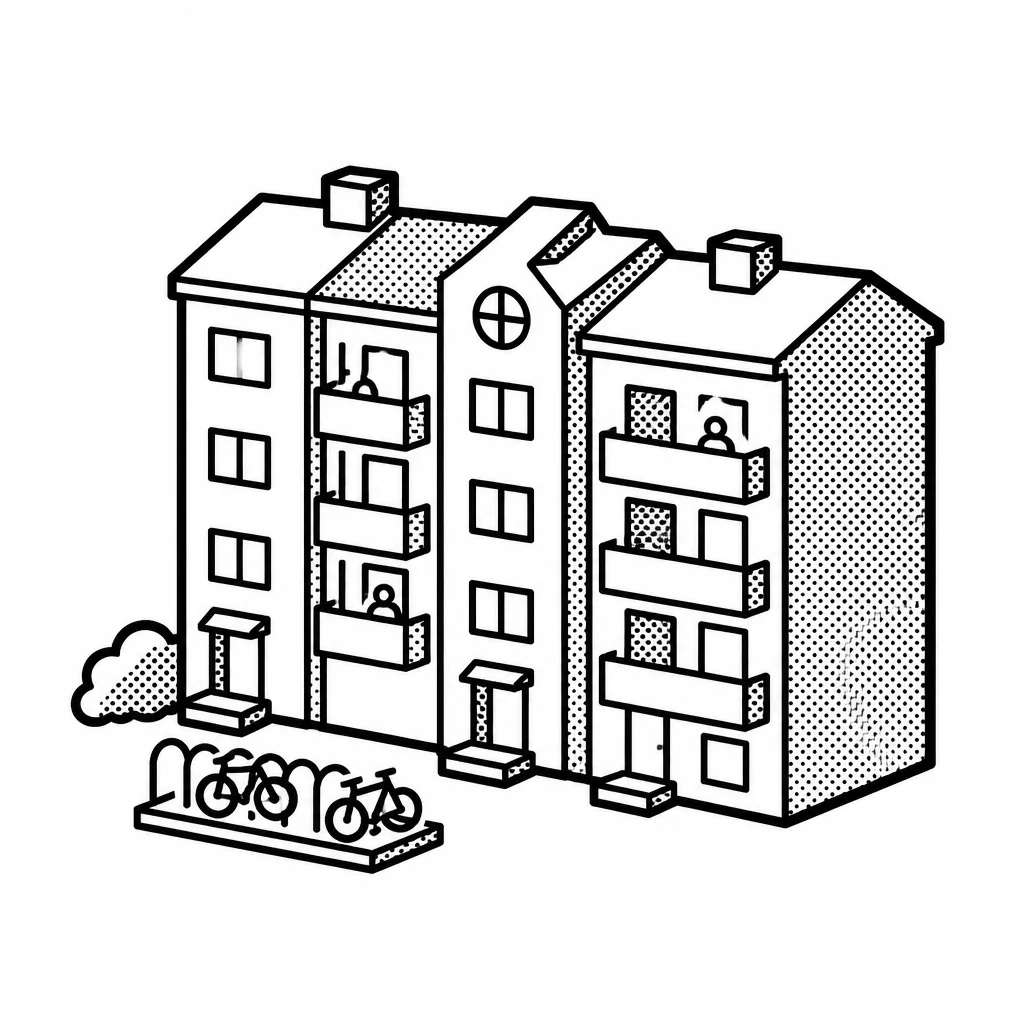
The company does more than just collect rent. It develops new buildings, which means it buys land, gets planning permission, and constructs apartments and commercial properties. Some of these it keeps to rent out for years; others it sells once they are finished, which brings in extra cash. This mix matters: renting gives predictable income, while selling developed properties provides lump sums the company can reinvest. Wallenstam is also known for building with a strong environmental focus, including wooden-framed apartment buildings, which has become part of its identity in Sweden. Property companies like Wallenstam are sensitive to interest rates and the cost of borrowing, because buying land and constructing buildings takes a lot of money up front. When rates rise, borrowing gets more expensive and the value of the buildings on the books can fall, which is a real risk. Its main competitors are other large Swedish landlords such as Castellum and Fabege, which also own and manage commercial and residential property in Sweden.
Wallenstam is a long-term owner, not a quick flipper. It prefers to hold buildings and grow rental income steadily rather than sell everything for a fast profit, and it pays its shareholders a dividend from that rental cash. The takeaway: it is a patient landlord and builder whose fortunes rise and fall with Swedish housing demand, construction costs, and interest rates — steady, but tied closely to the property cycle.
Saved answer · last researched 12 Nov 2026