Understand any stock in simple English
Enter a ticker to learn what the company does and how it makes money.
Vishay Precision Group, Inc.
Vishay Precision Group makes precision sensors, strain gages, resistors, and measurement systems that help industrial, medical, military, and space customers measure things accurately.
Vishay Precision Group makes the parts that let machines feel and measure the physical world. Its strain gages are tiny foil sensors glued onto structures; when the structure bends or stretches, the gage's electrical resistance changes, and that signal tells you exactly how much stress something is under. Its precision resistors do the electrical equivalent of a very fine ruler: they hold a value steady so that instruments can trust their own readings. And its measurement systems package those sensors into finished products, like weighing scales for trucks and industrial processes, that customers use to run their operations.
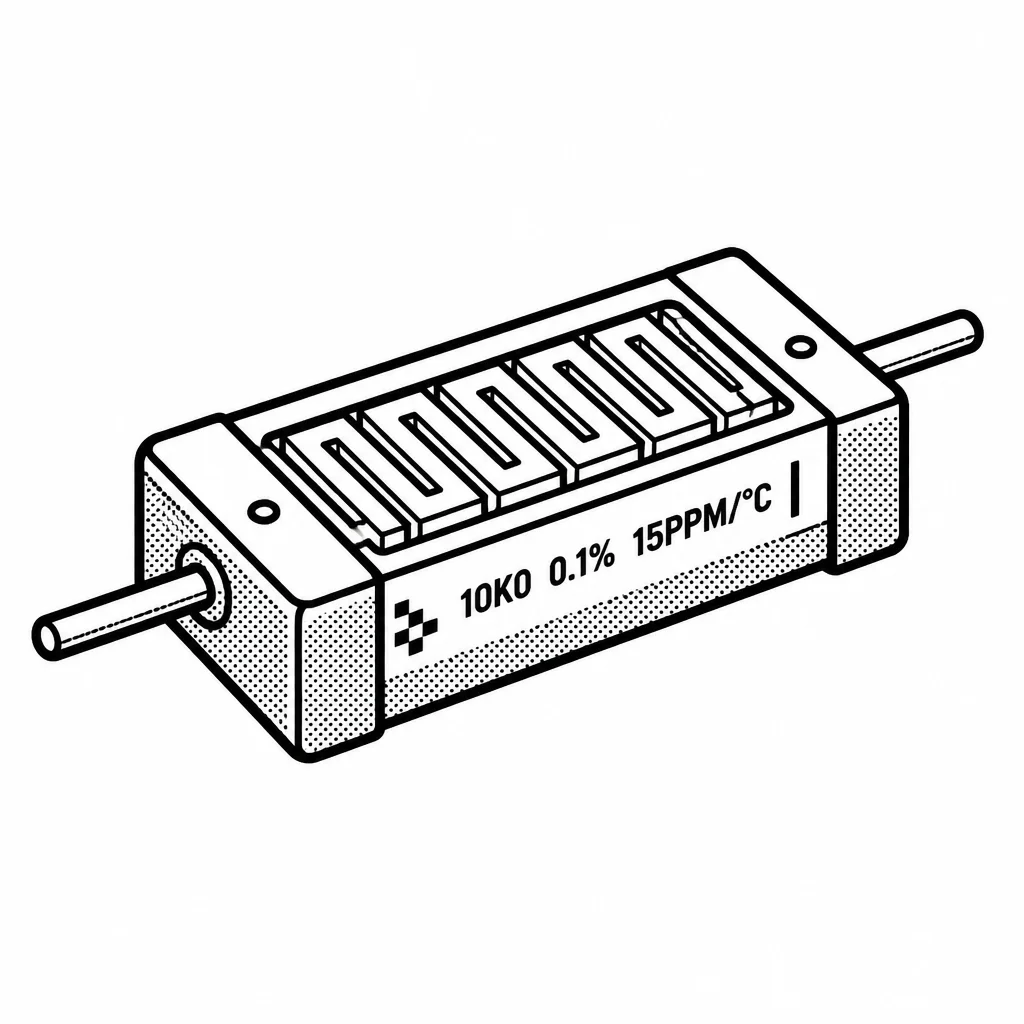
The company sells to three broad groups. Its sensors and weighing businesses serve industrial customers — everything from factory equipment to truck scales — plus transportation and medical device makers. Its precision resistors and strain gages go into instruments, aerospace, military, and space hardware, where being off by a little is not acceptable. Customers pay for accuracy and reliability, not flash. These are often small, unglamorous components designed into a machine for years, so once a customer qualifies a Vishay part, switching away is painful and risky — a real moat built on engineering trust rather than brand fame. VPG is a relatively small company, spun off from the much larger Vishay Intertechnology in 2010, and it has grown largely by buying specialist measurement businesses and folding them into its portfolio. That strategy makes sense: scale in niche precision markets comes from owning more of the sensor and instrument supply chain, not from slashing prices. The business is cyclical, though, because it leans on industrial and transportation spending; when factories slow down, orders for sensors and weighing systems slow with them.
The upside is that precision measurement keeps spreading — more automation, more electric vehicles, more medical monitoring, and more space hardware all need trustworthy sensing. VPG's bet is that the world will keep needing to know exactly how much strain, weight, or resistance is present, and that it can be the quiet supplier behind that knowledge.
Saved answer · last researched 16 Nov 2026