Understand any stock in simple English
Enter a ticker to learn what the company does and how it makes money.
Ventia Services Group Limited
Ventia maintains and operates essential infrastructure — roads, power networks, water systems, telecoms and defence facilities — for governments and private companies across Australia and New Zealand.
Ventia is the company that keeps the lights on, the roads patched, and the water flowing — often without anyone noticing it. It is one of the largest "essential services" providers in Australia and New Zealand, doing the unglamorous maintenance and facilities work that governments and big companies would rather hand off. If a highway needs resurfacing, a power line needs restoring after a storm, or a hospital needs its air conditioning serviced, Ventia is the kind of firm that gets the call.
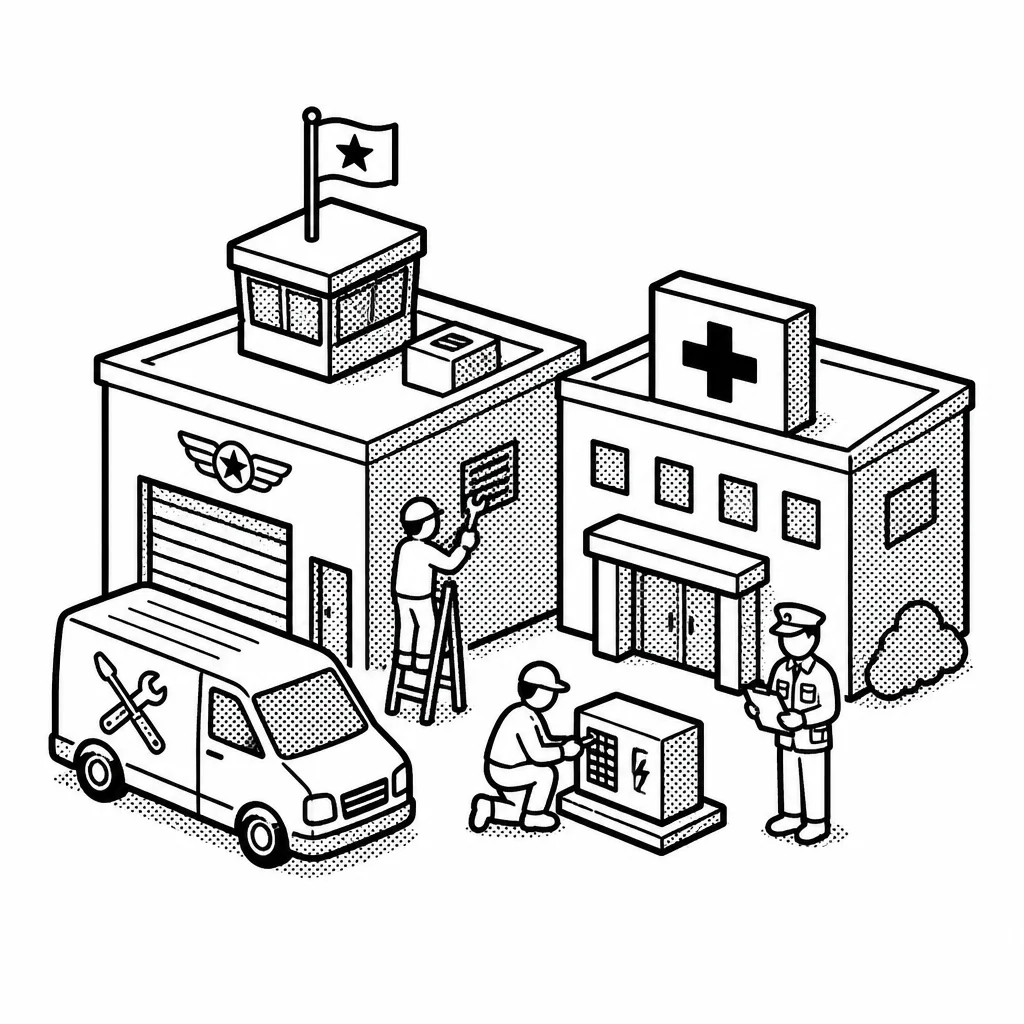
The business runs across a few broad areas, but the theme is the same everywhere: long-term contracts to look after assets that other people own. Ventia maintains roads and transport networks, keeps electricity and gas networks running, manages water and sewer infrastructure, and provides facilities services like cleaning, catering and groundskeeping. It also does work for defence and social infrastructure such as schools and hospitals. Its customers are mostly government departments, utilities, and large industrial companies that sign multi-year contracts, which makes revenue steadier than a typical contractor's. One way to picture it is that Ventia is the maintenance crew for a country. Instead of building things and walking away, it sticks around to keep them working, often for five or ten years at a time. That recurring contract model is the core of the business: customers pay for reliability and for someone else to carry the headache of managing thousands of small jobs. The company gets paid on those contracts, and the more assets it manages under a long agreement, the more predictable the money becomes.
Ventia was formed by merging two large services businesses — Broadspectrum and Spotless's utilities arm — and listed on the ASX in late 2021, so it is a relatively new public company with a long operating history behind it. That scale matters: bigger contracts mean more buying power, more workers on the ground, and a wider footprint that is hard for a smaller rival to copy. The flip side is that it is a low-margin, people-heavy business — lots of workers, thin profits per job — and its fortunes are tied to government spending and infrastructure budgets. When those budgets get tight, the maintenance work can slow down too.
Saved answer · last researched 12 Nov 2026