Understand any stock in simple English
Vista Energy, S.A.B. de C.V.
Vista Energy is an oil and gas company that drills and produces crude oil, natural gas, and LPG, mainly from shale fields in Argentina.
Vista Energy is an oil and gas producer. It finds oil and gas underground, drills wells to get them out, and sells the results — mostly crude oil, plus natural gas and liquefied petroleum gas (the stuff in cooking gas canisters). Its main hunting ground is Argentina's Vaca Muerta, a huge shale rock formation in Patagonia that has become one of the most important oil plays outside North America. The company also has operations in Mexico.
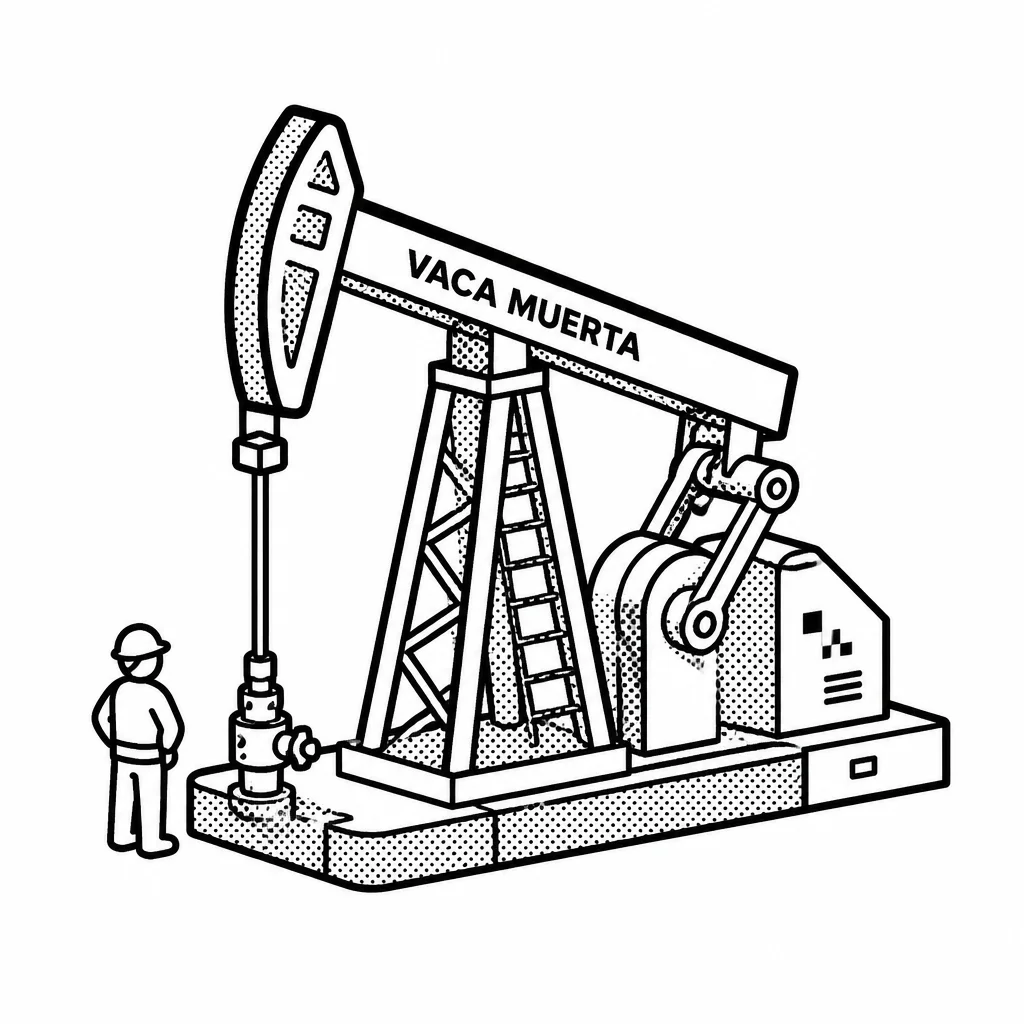
Shale oil is expensive and technically hard to extract: you have to crack the rock open underground, which takes heavy upfront spending before a single barrel flows. Vista's bet is that Vaca Muerta's rock is good enough to make that spending pay off, and that Argentina's output can grow fast enough to matter on the world stage. The company has been ramping up production aggressively and building out the pipelines and facilities needed to move that oil to market. Its customers are basically the buyers of crude — refiners and traders — and its fortunes rise and fall with oil prices and with Argentina's economy, which has a long history of currency turmoil and shifting energy rules. Vista used to be called Vista Oil & Gas, and it was founded in 2017 by Miguel Galuccio, a former chief executive of Argentina's state oil company YPF YPF. The company listed on the New York Stock Exchange and later dropped the "Oil & Gas" from its name to reflect a broader energy ambition. That backing and his track record helped it raise money and move fast, which matters in shale, where speed and scale decide who wins.
The simple version of the business: it is a growth story tied to one big rock. If Vaca Muerta keeps delivering and Argentina keeps exporting more oil, Vista grows. If oil prices slump, costs climb, or the country's politics and currency get in the way, the same leverage cuts the other way. That is the trade investors are making when they buy the stock.
Saved answer · last researched 17 Nov 2026