Understand any stock in simple English
Enter a ticker to learn what the company does and how it makes money.
Vingroup Joint Stock Company
Vingroup builds and runs much of modern Vietnam — homes, shopping malls, resorts, hospitals, schools, and even electric cars — and makes money from selling those products and services to Vietnamese consumers.
Vingroup is Vietnam's biggest homegrown conglomerate, and its businesses touch everyday life in the country. It builds and sells apartments and houses, runs shopping malls and convenience stores, operates hotels and resorts, and provides healthcare and education through its Vinmec hospitals and Vinschool schools. If you live in a major Vietnamese city, there's a decent chance you've shopped in a Vincom mall or driven past a Vinhomes apartment complex.
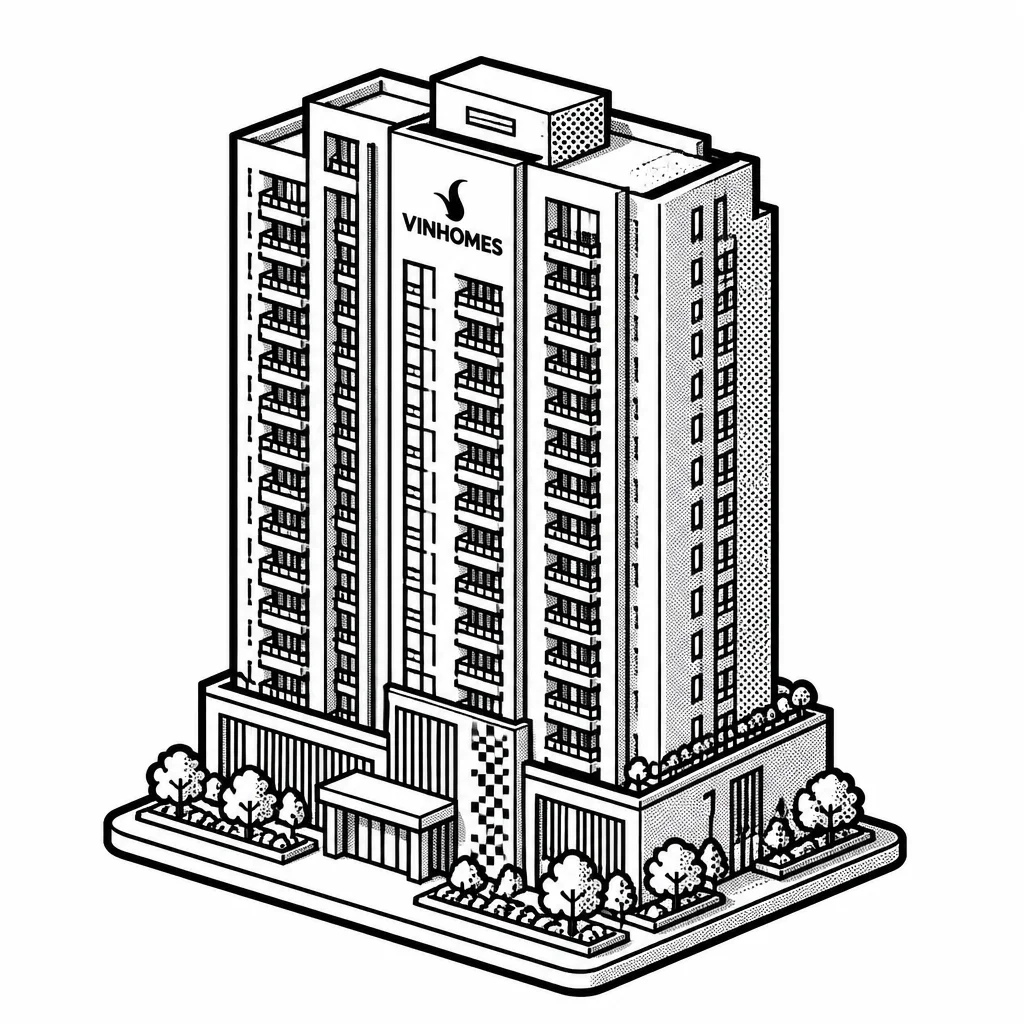
The company's most famous and ambitious bet is VinFast, its electric vehicle arm. Vingroup started building cars in 2017, and VinFast now makes electric cars and scooters and has pushed into export markets, including the United States. VinFast is costly to run and has lost money, but it gives Vingroup a stake in one of the most exciting — and most capital-hungry — industries in the region. The group also has a large services arm that handles property management, facilities, and other operations across its ecosystem. How does Vingroup actually make money? Mostly by selling real estate. Vinhomes, its residential development arm, is the cash engine: it builds apartments and houses, sells them to buyers, and collects recurring fees for managing the communities afterward. The retail and hospitality side brings in steady revenue from mall tenants and hotel guests. VinFast is the growth story and the risk — it consumes huge amounts of cash while the group waits for the EV market to mature.
Vingroup was founded by Pham Nhat Vuong, Vietnam's richest man, who started out in Ukraine selling instant noodles before returning home to build an empire. The group is now one of the largest companies in Vietnam and a major force in the country's stock market. Its scale gives it big advantages — land, brand recognition, and political relationships — but also makes it complex and heavily exposed to Vietnam's property cycle and consumer spending. It is a company that essentially sells the Vietnamese dream of a modern middle-class life, from the apartment you buy to the mall you shop in and the car you drive.
Saved answer · last researched 14 Nov 2026