Understand any stock in simple English
Enter a ticker to learn what the company does and how it makes money.
Corporación Inmobiliaria Vesta, S.A.B. de C.V.
Vesta builds and rents industrial warehouses and distribution centers in Mexico to big companies that need space to store and move goods.
Vesta owns big, plain buildings — warehouses and distribution centers — mostly in the industrial parks that cluster around Mexican cities like Monterrey, Mexico City, Guadalajara, and the border towns near the United States. Companies that make or move physical goods need a place to store them, pack them, and ship them out, and Vesta provides that space on long-term leases. The buildings themselves are simple; the value is in where they sit. Mexico has become a manufacturing and logistics hub, especially as companies shift supply chains closer to the US, and land in the right spots near highways, rail lines, and border crossings is the scarce thing.
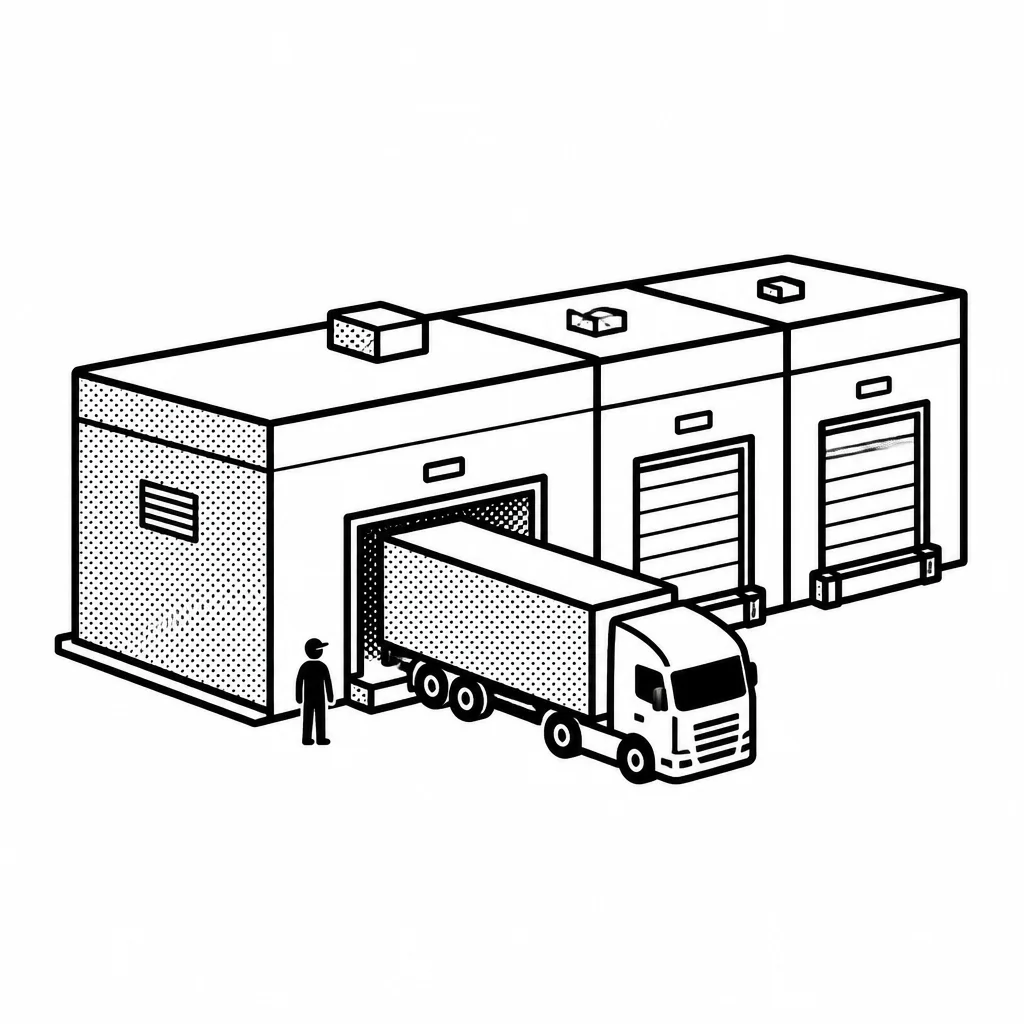
Vesta's customers are large corporations — global manufacturers, retailers, and logistics firms that sign multi-year leases and pay rent every month. That rent is the whole business. Vesta doesn't sell the buildings; it keeps them and collects rent, like a landlord for industrial-scale tenants. What makes it attractive is the mismatch between supply and demand: it takes years to plan and build a warehouse, so when a company urgently needs space near a key city, it pays up for a building that already exists. Vesta is one of the largest industrial landlords in Mexico, alongside peers like Prologis and FIBRA Prologis, and it also develops new buildings itself to grow its portfolio. The company is a real estate investment trust structure — in Mexico, that means it must pay out most of its taxable profit to shareholders as dividends, which is why it's popular with income investors. In recent years the nearshoring wave has been the big story: as manufacturers move production from Asia to Mexico to be closer to US customers, demand for industrial space has surged, pushing rents up and keeping vacancy low. That's the engine behind Vesta's growth — it isn't a tech company or a consumer brand, it's a landlord riding a structural shift in where the world makes things.
The risks are straightforward. Vesta is tied to the health of Mexican manufacturing and cross-border trade, so a slowdown in the US economy or a disruption to trade rules hits demand. Building new warehouses takes capital, and the company relies on raising money and borrowing to fund development. Interest rates matter a lot to a business like this, because higher rates make its debt more expensive and make the dividend less attractive compared with bonds. And because its buildings are concentrated in Mexican industrial corridors, any shock to those regions — from energy policy to security to a change in trade agreements — flows straight through to its rents.
Saved answer · last researched 12 Nov 2026