Understand any stock in simple English
VERBUND AG
Verbund makes and sells electricity, mostly from hydropower, to utilities, businesses, and households.
Verbund is one of Europe's biggest producers of electricity from hydropower. It runs dams and river power stations, mainly along the Danube and in the Alps, and sells the power it makes to utilities, industrial companies, and ordinary households and businesses. If you plug in a lamp in Austria, there's a decent chance the electrons came from a Verbund plant.
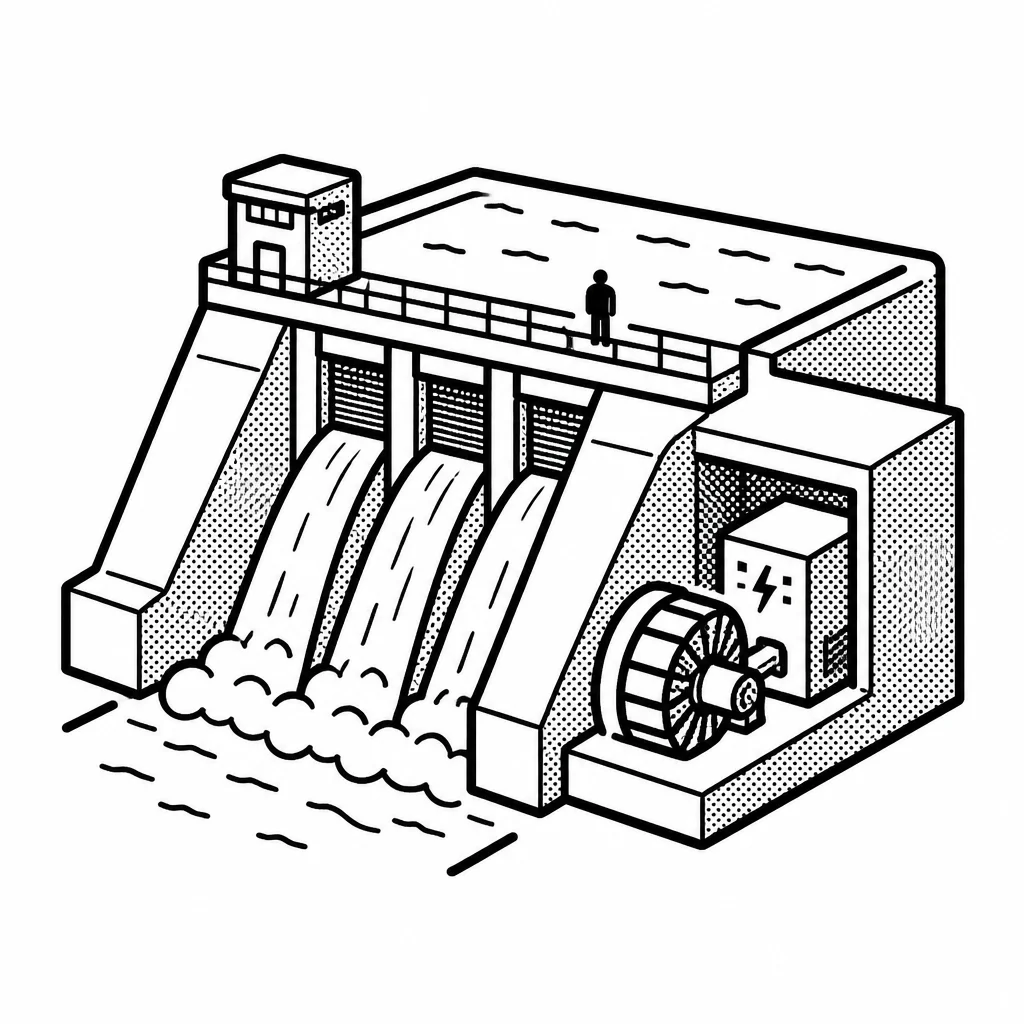
Most of Verbund's electricity comes from water, which makes it unusual among big European utilities. Hydropower is cheap to run once the dam is built, and it produces almost no carbon, so Verbund benefits when power prices are high and when governments and companies want clean energy. It also owns grids and sells electricity directly to customers, but the core of the business is turning falling water into power and selling that power at whatever the market will pay. The trouble with a water business is that water is not always reliable. Dry winters mean less snowmelt, and drought years can hurt production just when power prices are high. Verbund also faces competition from wind and solar producers, whose costs have fallen sharply, and from other utilities across Europe. Its advantage is flexibility: hydro plants can ramp output up or down in seconds, which becomes more valuable as more intermittent wind and solar power comes onto the grid.
Verbund is majority-owned by the Austrian state, and it pays a large share of its profit out as dividends. That makes it a favorite among income-focused investors who want exposure to clean power without building a wind farm themselves. It is, in short, a company that turns rain and snow into electricity and cash — as long as the weather cooperates.
Saved answer · last researched 17 Nov 2026