Understand any stock in simple English
Veolia Environnement SA
Veolia is a giant utility company that cleans water, hauls away waste, and runs heating and cooling systems for cities and factories around the world.
Veolia does the unglamorous work that keeps modern life running. When you turn on the tap, flush a toilet, or toss a bag of garbage into a bin, there is a decent chance a Veolia crew or facility is somewhere downstream handling it. The company runs water treatment plants, collects and processes waste, and operates the heating and cooling networks that keep buildings comfortable. Its customers are mostly cities, factories, hospitals, and office towers—organizations that need these services but would rather not build and run the plumbing and garbage systems themselves.
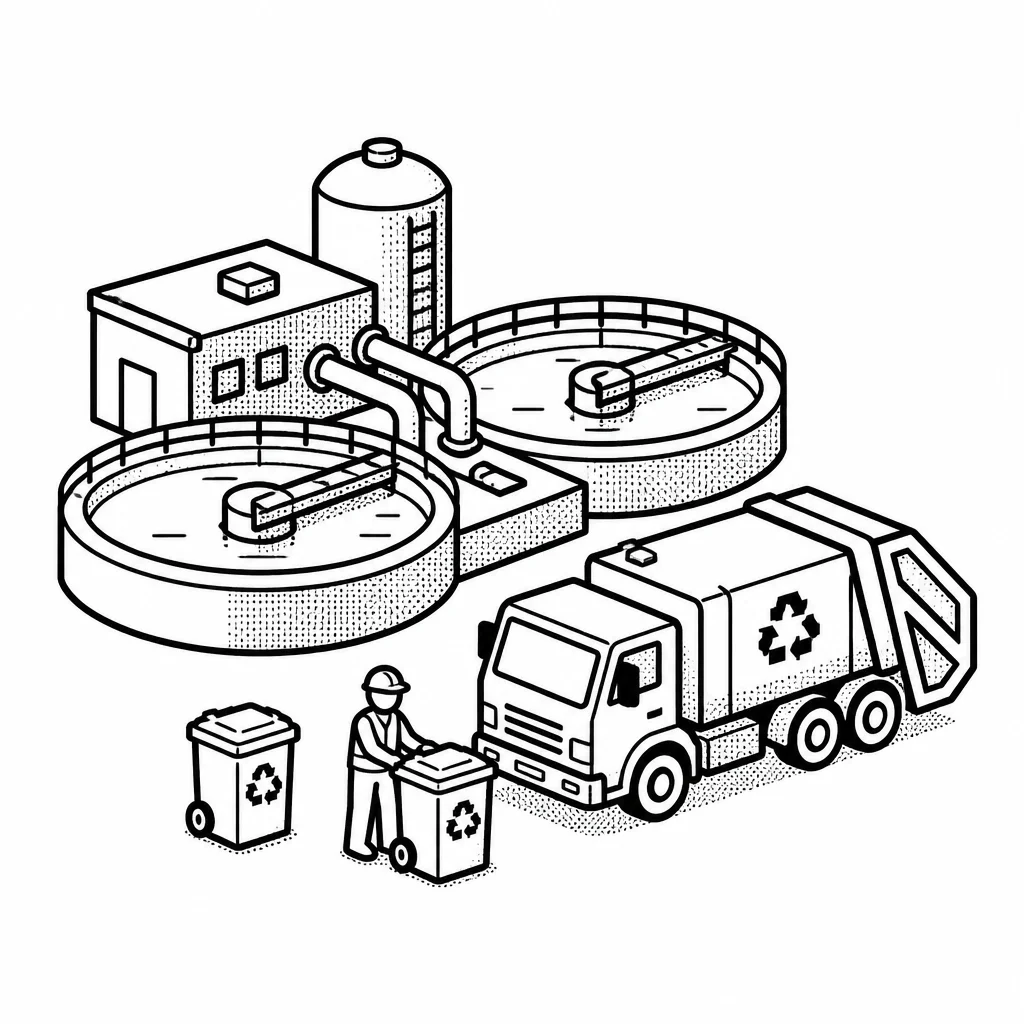
The business splits into three big buckets. Water is the oldest and most recognizable: Veolia cleans drinking water, treats sewage, and manages pipes and meters under long contracts with municipalities. Waste is the other half of the story—collecting trash, recycling, composting, and turning some of it into energy by burning it or capturing the gas rotting garbage gives off. Energy services round things out: Veolia designs and runs heating and cooling systems, manages energy use in buildings, and helps industrial customers cut their bills. In 2024 the company brought in roughly €44.7 billion in revenue, a figure that has been climbing thanks to the 2022 merger with rival Suez, which bulked up Veolia's water and waste footprint considerably. What makes Veolia tick is the contract. Cities and factories sign long deals—often ten to twenty years—and pay Veolia a steady fee to handle the day-to-day grind. That recurring revenue is the appeal: once a city hands over its water system, switching providers is a headache, so customers tend to stay. Veolia competes with a mix of global players like SUEZ (now a smaller, separate company after the merger) and Waste Management in North America, plus countless regional operators. Its edge is scale and know-how—it can walk into a city and run a system that would take decades and huge sums to build from scratch.
The company spends its cash on maintaining and upgrading plants, plugging leaks in aging pipe networks, and buying smaller rivals to expand. It pays a dividend, and management has been pushing to grow in industrial water and hazardous waste—areas with fatter margins than plain municipal contracts. The risks are real: contracts can be political, cities sometimes take services back in-house, and regulators in Europe and elsewhere keep a close eye on pricing. Still, the basic pitch is durable—people will always need clean water and someone to take out the trash.
Saved answer · last researched 20 Nov 2026