Understand any stock in simple English
Enter a ticker to learn what the company does and how it makes money.
Verbio SE
Verbio turns crops and crop waste into clean fuels and chemicals, then sells them to fuel companies, fleets, and industry.
Verbio is a German company that takes plants and plant waste and turns them into fuel and other useful products. Farmers and fuel blenders pay it for things like biodiesel and bioethanol, the stuff that gets mixed into regular diesel and gasoline to make them cleaner. It also makes biomethane, a gas that can power trucks or feed into the gas grid, plus bio-based chemicals, animal feed, and fertilizers. Most of its money comes from selling these low-carbon fuels, especially in Germany and the rest of Europe, where laws require fuel suppliers to blend in renewable energy. That rule is the engine of the business: regulators force oil companies to buy cleaner fuel, and Verbio is one of the suppliers they turn to.
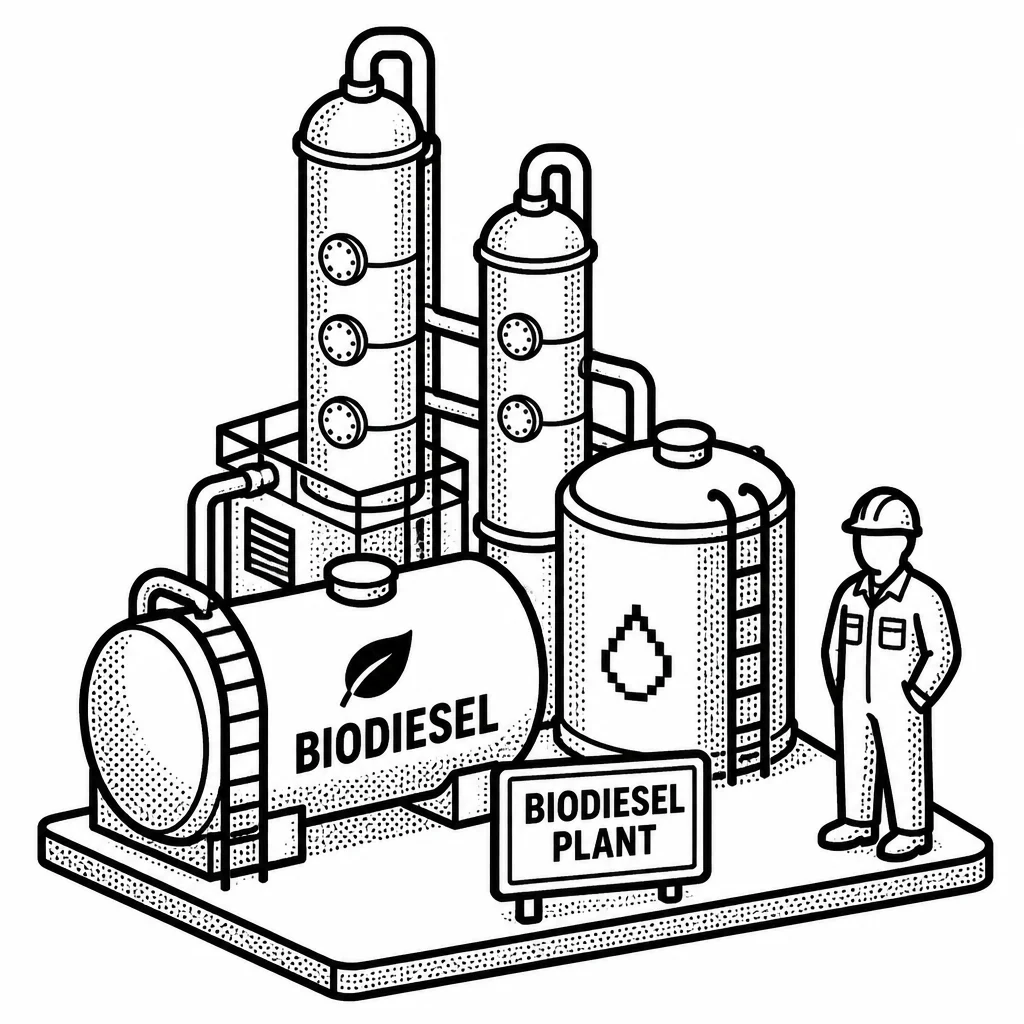
The clever part is what Verbio does with the leftovers. When it ferments grain into ethanol, a lot of the plant material is left over. Instead of throwing that away, Verbio feeds it into large tanks where bacteria digest it and give off methane gas — the same process that happens in a cow's stomach, just industrial-sized. It captures that gas and sells it, and the leftovers from that step become fertilizer. So one load of grain gets squeezed for fuel, gas, and crop food in turn. That kind of squeezing is why the company can stay competitive even when grain prices swing. The big risk is that Verbio's fortunes are tied to government policy. Its main customers buy green fuels largely because laws tell them to, so a change in those rules — or a sudden flood of cheaper imported biofuel — can shake the business. Verbio has been through exactly that, with cheap imports from Asia and America squeezing European producers and dragging its results down in recent years. It is also spending heavily on new plants in India and the United States, betting that demand for clean fuel will keep growing. Those bets cost money up front and need the rules to stay friendly to pay off. Verbio was founded in 2001 in eastern Germany and has grown from a single ethanol plant into one of Europe's larger biofuel makers, now listed on the Frankfurt stock exchange. It sells to oil majors, fuel traders, and gas utilities rather than to drivers directly, so most people have never heard of it — even though a bit of Verbio's fuel may well be sitting in their car's tank. That anonymity is normal for the industry. The company makes a commodity, and its edge comes from running efficient plants and wringing extra value out of every byproduct. When that works, the profits are real; when policy or prices turn against it, there is not much cushion.
The takeaway for a curious observer: Verbio is a bet on the world wanting cleaner fuel, made by a company that is good at getting the most out of a pile of grain. It does not invent new technologies so much as run proven ones very well and chase government incentives across borders. Watch the blending rules and the price of imported biofuel — those two forces, more than anything Verbio does itself, decide whether the business thrives or struggles in any given year.
Saved answer · last researched 12 Nov 2026