Understand any stock in simple English
Enter a ticker to learn what the company does and how it makes money.
Vaisala Oyj
Vaisala makes sensors and instruments that measure weather and industrial conditions, and sells the data and services that go with them.
Vaisala makes the tools that tell you what the air is doing. Its sensors and instruments measure things like temperature, humidity, wind, pressure, and air quality — the raw facts that weather forecasts, airport safety, and factory quality control all depend on. The company sells to two broad groups: meteorological and aviation customers who need to know what the sky will do, and industrial customers who need to keep their processes precise and safe.
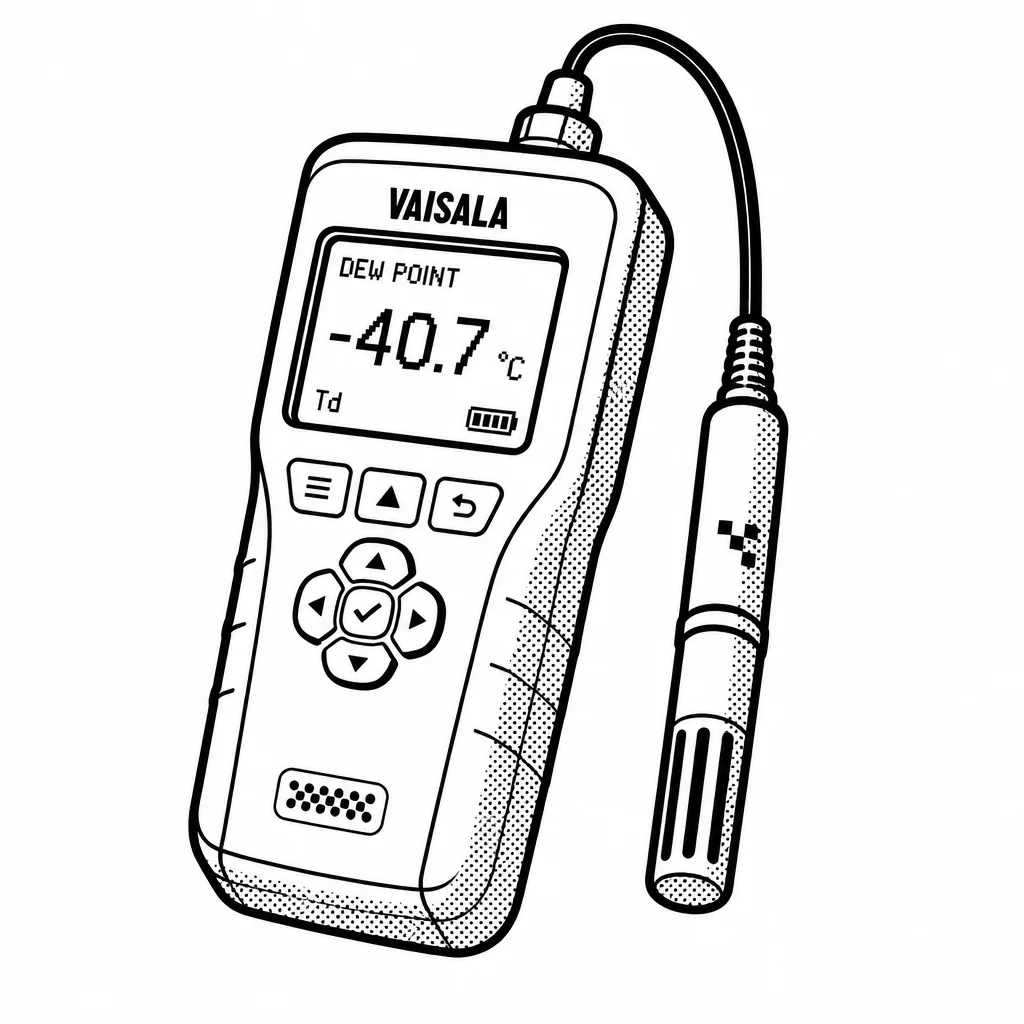
The weather side is the more visible one. National weather services, airports, and research bodies buy Vaisala's weather stations, radar, and lightning detection systems, and the company also runs a subscription-style service that supplies weather data and forecasts. On the industrial side, customers in life sciences, cleanrooms, and manufacturing buy sensors to monitor conditions where a small change in humidity or temperature can ruin a product or spoil a batch. Vaisala earns money from selling the hardware, from service contracts, and increasingly from recurring data subscriptions. What makes the business durable is that its instruments are trusted in places where failure is expensive. An airport needs a wind reading it can bet lives on; a pharmaceutical plant needs proof that its cleanroom stayed within spec. That trust takes decades to build and is hard to dislodge, which is why Vaisala has held its ground against larger rivals. It competes with big industrial names such as Thermo Fisher Scientific in some measurement markets and with a long tail of smaller instrument makers, but its brand in weather technology is close to unmatched.
Vaisala was founded in Finland in the 1930s by a professor who invented a better way to measure humidity, and it is still headquartered near Helsinki. It is a fairly steady, engineering-led company rather than a fast grower: it invests heavily in research, pays a dividend, and has made selective acquisitions to expand its sensors and data services. The bet is simple — as the world gets more serious about weather risk, air quality, and industrial precision, more customers will pay for trustworthy measurement.
Saved answer · last researched 14 Nov 2026