Understand any stock in simple English
Enter a ticker to learn what the company does and how it makes money.
Venture Corporation Limited
Venture Corporation builds and designs electronics and other products for other companies, and also handles their supply chains.
Venture Corporation is a company that makes things for other companies. When a brand has a clever product idea but doesn't want to build its own factories, it can hand the whole job to Venture. Venture's engineers help design the product, its factories assemble it, and its supply-chain team sources the parts and ships the finished goods. The customers are mostly in electronics, medical devices, and computer equipment — the kind of businesses that need precision manufacturing but would rather not own the machines.
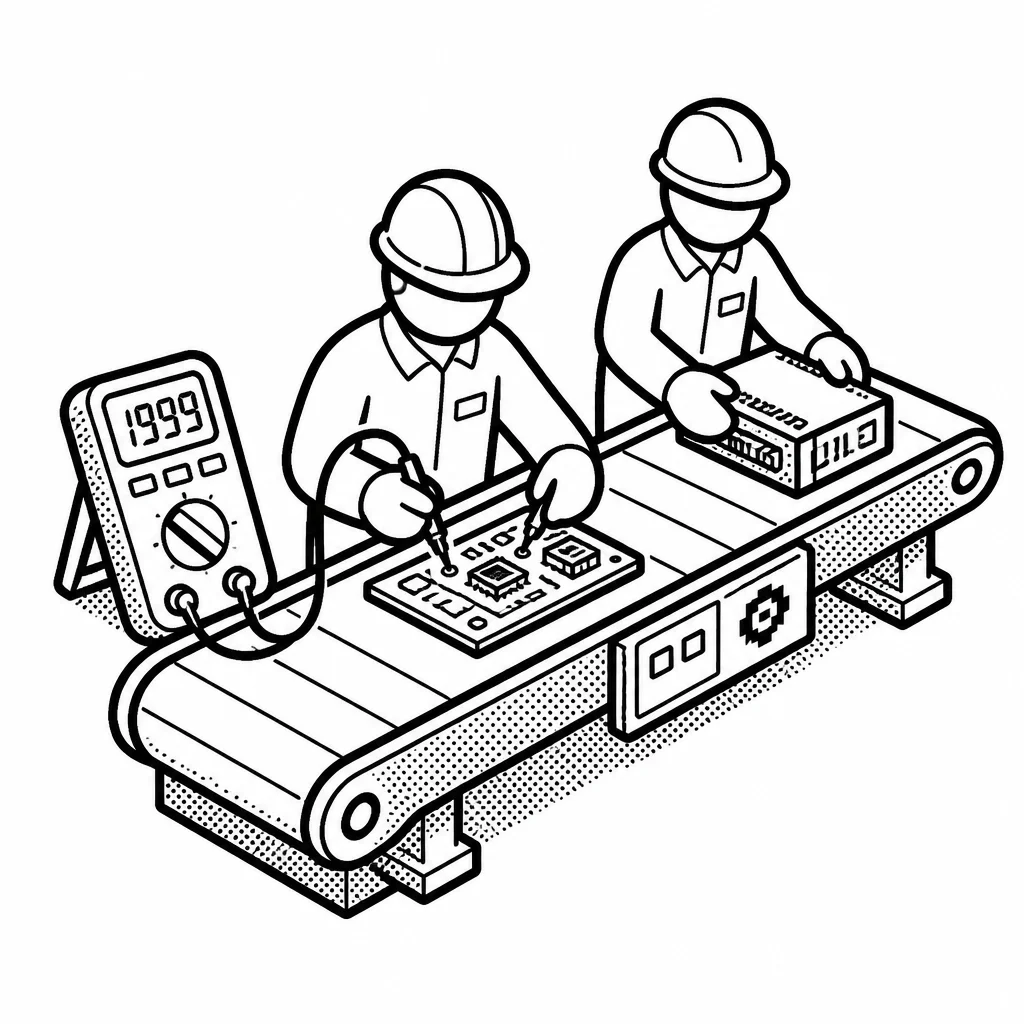
The business model is essentially contract manufacturing with a brain. Venture doesn't sell products under its own famous brand; it earns money by charging customers for the design work, the manufacturing, and the logistics that surround it. Customers stick around because switching a complicated product to a new factory is risky and slow — once Venture has learned how to build something well, it's easier to keep ordering. That stickiness is the quiet moat, and it's why a company most consumers have never heard of supplies parts and devices for some of the world's biggest technology brands. Venture is headquartered in Singapore and has manufacturing and design sites across Asia, Europe, and the United States, which lets it serve customers close to where they sell. Its work spans several areas: the electronics that go into networking and computing gear, life-science and medical instruments that need extreme precision and regulatory care, and increasingly higher-value work like product design and engineering rather than simple assembly. That mix matters because the design and engineering work carries better margins than plain manufacturing, so Venture has been pushing to do more of the clever, early-stage work. Like all contract manufacturers, Venture lives and dies on volume and efficiency. When demand for electronics cools, customers cut orders and its factories run below capacity, which hurts profits. When a big customer ramps up a new product, Venture benefits. It also competes with other large manufacturing partners, so it wins business by being reliable, fast, and technically capable rather than by being cheapest. The company is known for a strong balance sheet and steady cash generation, and it has historically returned a good chunk of that cash to shareholders through dividends.
One useful way to see Venture is as a behind-the-scenes factory and engineering partner: the brand on the box belongs to someone else, but a lot of the skill that made the box possible lives inside Venture. It won't be a household name, but its customers know exactly who to call when a product needs to go from drawing board to shipping container.
Saved answer · last researched 12 Nov 2026