Understand any stock in simple English
Enter a ticker to learn what the company does and how it makes money.
United Spirits Limited
United Spirits makes and sells alcoholic drinks like whisky, rum, and vodka in India, and earns money by selling bottles to shops, bars, and restaurants.
United Spirits is India's biggest maker of liquor. If you walk into a bar in Mumbai or a shop in Delhi, the whisky, rum, brandy, or vodka on the shelf may well have come from this company. It makes, imports, and sells a wide range of alcohol brands, from cheap everyday stuff to premium bottles, and it earns money by selling those bottles to distributors, retailers, and bars across India.
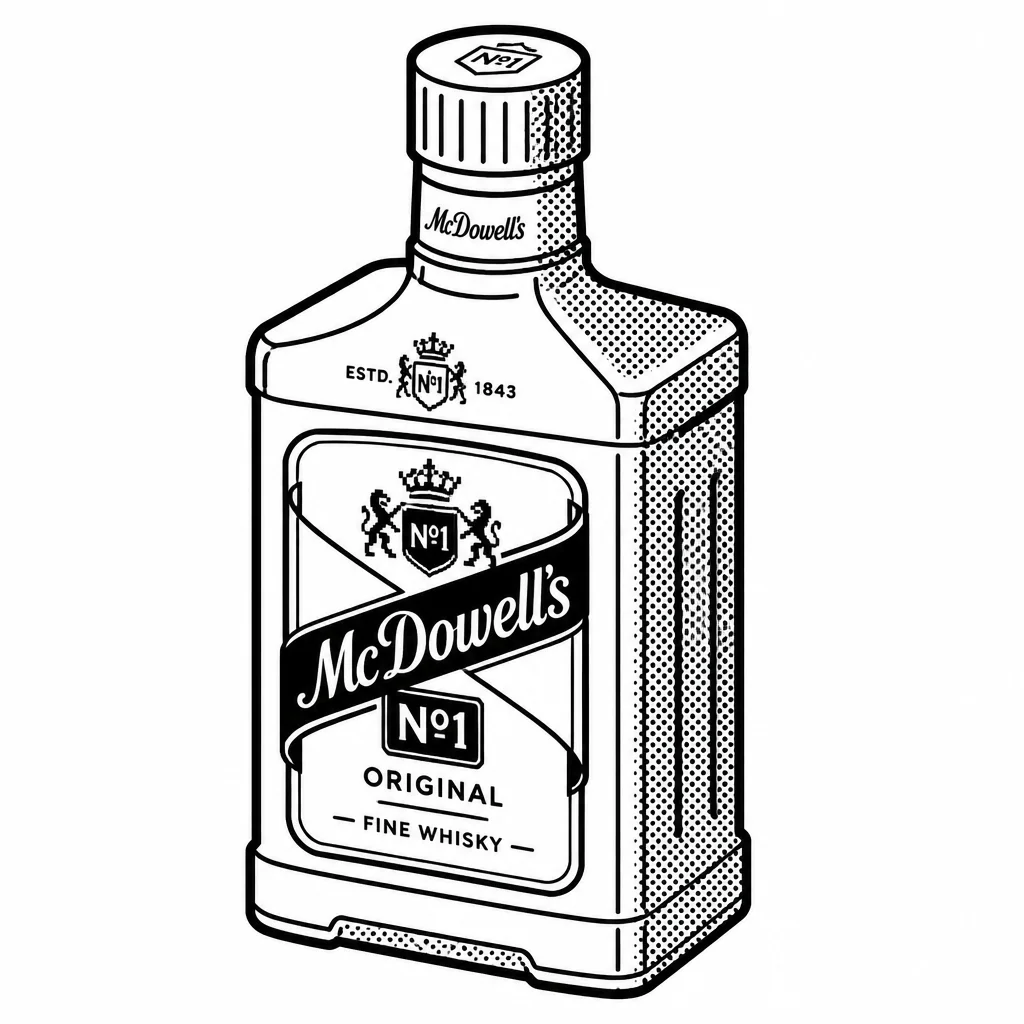
The business works in a peculiar way that's worth understanding. Making the drink is only half the job. In India, alcohol is a "sin industry" — heavily taxed and tightly controlled by state governments. Each state runs its own system for who can sell liquor and at what price. That means United Spirits doesn't simply sell to anyone; it must work within state-by-state rules that vary wildly. The company still makes and owns the brands, but the state often controls the retail path. This is why liquor companies in India are as much about navigating regulation as they are about making a good bottle. Its most important relationship is with Diageo, the giant British drinks company whose ticker is Diageo. Diageo owns a controlling stake in United Spirits, so the Indian company is part of a global drinks empire. That connection matters: United Spirits sells famous global brands like Johnnie Walker and Smirnoff in India, alongside its own homegrown labels. The company also does something unusual — it sells its own brands but also distributes others, acting as a bridge between international liquor names and Indian drinkers.
The real money in Indian liquor is shifting upward. People are drinking less of the cheap stuff and more premium whisky, gin, and imported brands as incomes rise. United Spirits has leaned into this by focusing on "premium" and "prestige" bottles rather than the mass-market cheap segment, where margins are thin and competition is brutal. It competes with other big players like Pernod Ricard and a long list of local brands, but its scale and its Diageo connection give it a strong hand. The main risks are familiar to anyone in the business: excise taxes that keep rising, state rules that can change overnight, and the fact that alcohol advertising is largely banned in India, so building a brand means clever workarounds rather than big TV campaigns.
Saved answer · last researched 12 Nov 2026