Understand any stock in simple English
Enter a ticker to learn what the company does and how it makes money.
United Natural Foods, Inc.
United Natural Foods is a giant grocery wholesaler that buys food and household products from manufacturers and delivers them to supermarkets and other retailers.
United Natural Foods is the middleman that keeps America's grocery shelves stocked. If you've ever bought an organic apple, a bag of natural snacks, or a store-brand cereal at a supermarket, there's a decent chance it passed through this company's warehouses first. It buys products in bulk from thousands of manufacturers and trucks them to supermarkets, corner stores, and food service customers across the country.
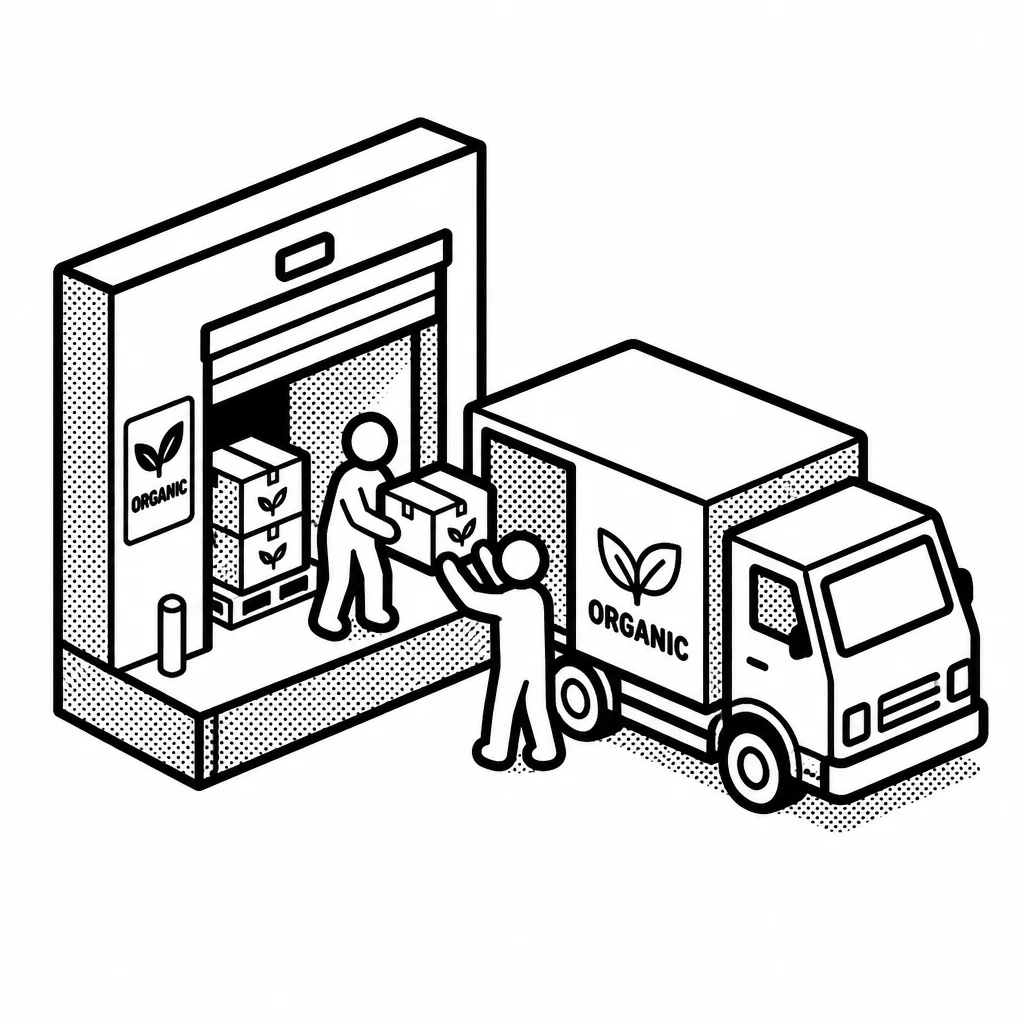
The company makes most of its money as a distributor. Retailers like Whole Foods Market, independent grocers, and big chains pay UNFI to handle the messy work of buying, warehousing, and delivering groceries so they don't have to deal with hundreds of suppliers themselves. UNFI also runs its own retail stores under the Cub and Shoppers banners. It went public in 2018 when it bought SuperValu, a rival wholesaler, which roughly doubled its size and added a large conventional grocery business alongside its organic roots. The grocery wholesale business operates on razor-thin margins. UNFI moves billions of dollars of food each year, but a small percentage slip-up in a low-margin industry can wipe out profits fast. That's why the company focuses on scale, warehouse efficiency, and keeping its biggest customers happy. The customers hold most of the power: a large chain can pressure UNFI on price, and losing a big account hurts. Whole Foods, now owned by Amazon, has historically been UNFI's largest customer, which makes the relationship both a huge revenue source and a huge risk.
UNFI has spent recent years paying down the debt it took on to buy SuperValu and trying to squeeze more profit from its existing warehouses rather than expanding aggressively. The grocery aisle is a brutally competitive place, and wholesalers like UNFI live or die on volume and logistics discipline. It's not a glamorous business, but feeding the country's supermarkets is a steady one, provided the company keeps its costs in line and its trucks on the road.
Saved answer · last researched 16 Nov 2026