Understand any stock in simple English
Enter a ticker to learn what the company does and how it makes money.
Ülker Bisküvi Sanayi A.S.
Ülker makes and sells biscuits, chocolate, wafers, cakes, and snacks, mostly in Turkey and across the Middle East, Central Asia, and Africa.
Ülker is Turkey's snack giant. It makes the biscuits, chocolates, wafers, and cakes that show up in lunchboxes, office drawers, and corner shops across Turkey and a wide stretch of the world beyond it. If you have ever dunked a plain tea biscuit or split a chocolate-covered wafer with a friend, you have eaten the kind of thing Ülker sells by the truckload.
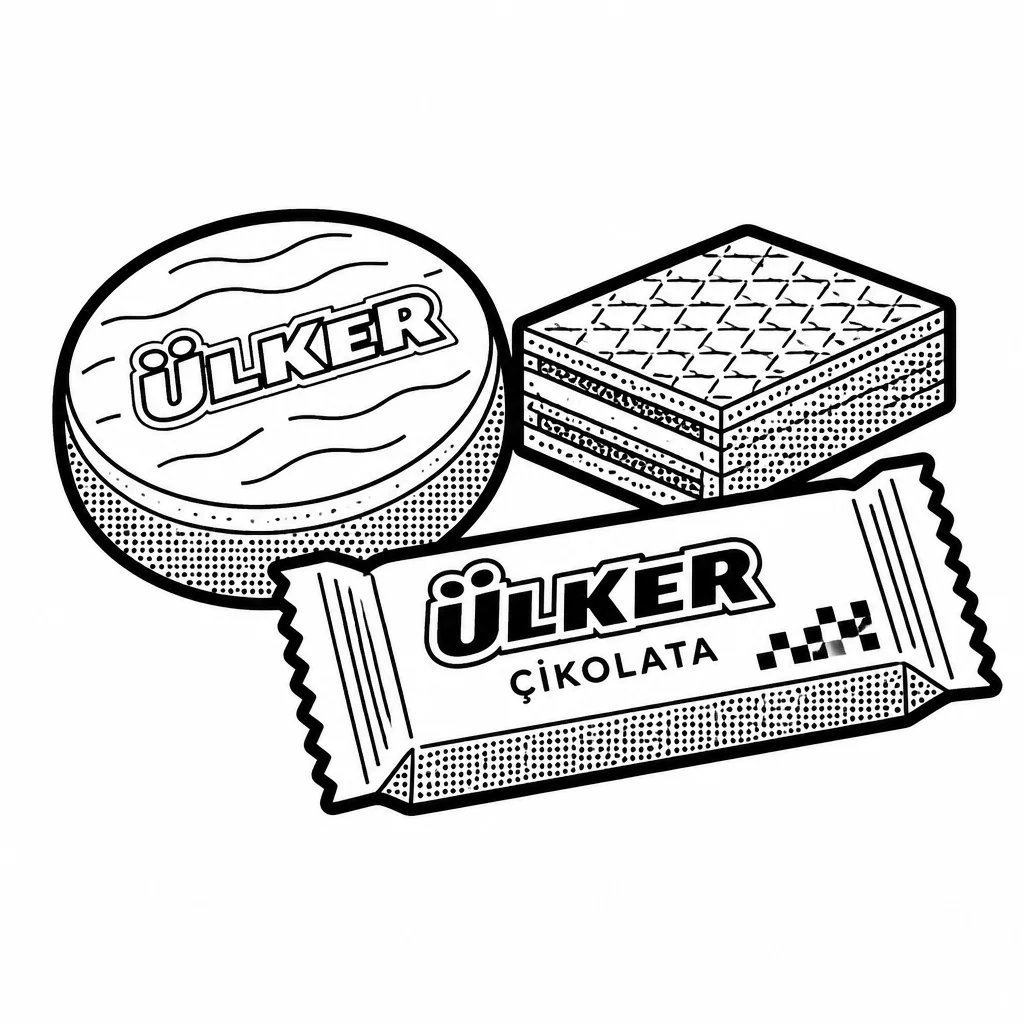
The business is simple at its core: it buys flour, sugar, cocoa, and palm oil, turns them into packaged treats in big factories, and ships them to supermarkets, small shops, and distributors. Shoppers pay a little more than the ingredients cost, and Ülker keeps the difference. The hard part is not making a biscuit — it is making millions of identical biscuits cheaply, keeping them fresh on shelves, and winning the small everyday choice between one brand and another. That is why the brand name matters so much: a familiar logo on a bright wrapper is often the whole reason a tired shopper reaches for one packet instead of the one next to it. Ülker sits inside a larger Turkish food and beverage group, and it has spent years expanding outside Turkey, especially into the Middle East, Central Asia, and Africa, where its biscuits and chocolate bars are sold under local and regional brand names. Its main rivals are the global snack companies that fight for the same shelf space, such as Mondelez International and Nestlé, plus local bakers and store-brand products that undercut it on price. Owning factories and a distribution network that reaches small shops is a real advantage — a competitor can copy a recipe, but it cannot easily copy a supply chain that puts fresh stock on thousands of shelves every week.
The company's profits get spent largely on keeping that machine running: maintaining and expanding factories, developing new products and packaging, and paying dividends to shareholders. Snack food is a steady business rather than a glamorous one — people keep eating through good times and bad — but it is exposed to the cost of ingredients like cocoa, which has swung wildly in price, and to currency moves in Turkey. That mix of dependable demand and jumpy costs is the whole story of a biscuit maker: a simple product, sold in enormous volume, where the winner is usually the company that runs its factories and trucks a little better than everyone else.
Saved answer · last researched 14 Nov 2026