Understand any stock in simple English
Enter a ticker to learn what the company does and how it makes money.
Ultrapar Participações S.A.
Ultrapar stores, moves, and sells the fuels and chemicals that keep Brazil running, from cooking gas canisters to industrial solvents.
Ultrapar is one of Brazil's big infrastructure companies — the kind most people never notice, even though they probably use it every day. If you've ever cooked on a gas stove in Brazil, there's a decent chance the canister came from Ultragaz, the company's cooking gas business, which delivers to homes and small businesses across the country. That's the consumer-facing tip of a much larger iceberg.
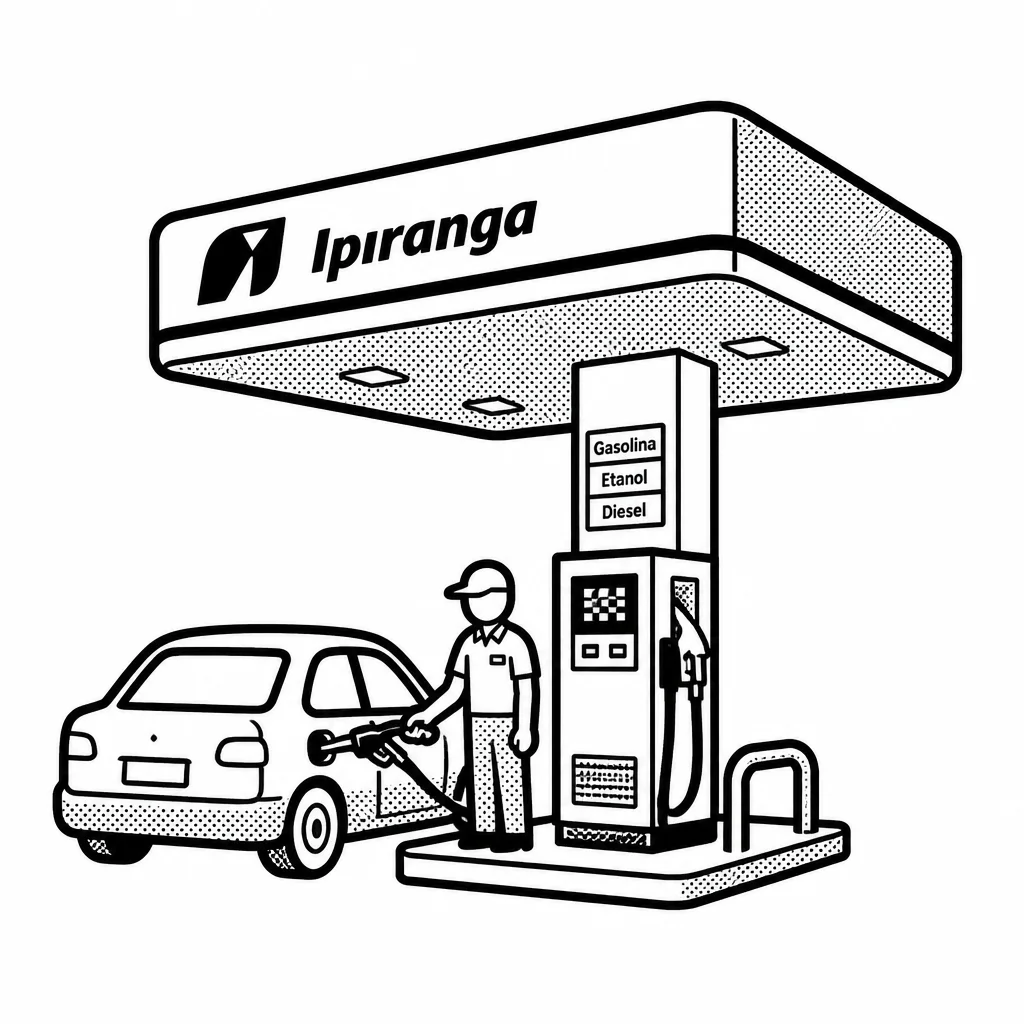
The company's biggest operation is Ipiranga, one of Brazil's largest fuel distribution networks. Ipiranga doesn't drill for oil or refine it — it buys fuel and moves it out to thousands of gas stations, truck fleets, and industrial customers. The company is "asset-light" in refining terms: it owns the pipes, terminals, and trucks that connect refineries to the pump, not the oil itself. That makes it a volume business — thin margins, huge throughput, and profits that rise and fall with how much Brazilians drive and haul. Ultrapar also runs Ultracargo, which stores liquid bulk at port terminals — the tanks that hold fuels, chemicals, and other liquids before they ship out or come in. And Oxiteno, its chemicals arm, makes specialty solvents and surfactants used in everything from cleaning products to paints. Oxiteno was long the quiet cash engine, but Ultrapar agreed in 2022 to sell it to Indorama Ventures as the company refocused on its core fuel and storage businesses.
The story here is scale and logistics: Ultrapar doesn't own the resource, it owns the distribution plumbing. That gives it steady, cash-generative businesses — Ultragaz and Ipiranga throw off real cash, which Ultrapar has used to pay dividends and keep debt in check. The risk is structural: fuel distribution in Brazil is brutally competitive, margins are thin, and results get squeezed whenever fuel prices swing or the economy slows. It's a company that quietly moves a huge share of Brazil's energy — and gets paid pennies per liter for doing it.
Saved answer · last researched 12 Nov 2026