Understand any stock in simple English
Enter a ticker to learn what the company does and how it makes money.
Sembcorp Industries Ltd
Sembcorp produces and sells electricity, steam, and treated water to factories, industrial parks, and cities, mostly in Singapore and across Asia.
Sembcorp is a utility company. It makes the things big industrial sites cannot run without — electricity, steam, and clean water — and sells them to factories, industrial parks, and municipal customers. If you run a chemical plant or a chip fab, you need power and water nonstop; Sembcorp owns the plants and pipes that deliver them, and collects a steady fee for the service.
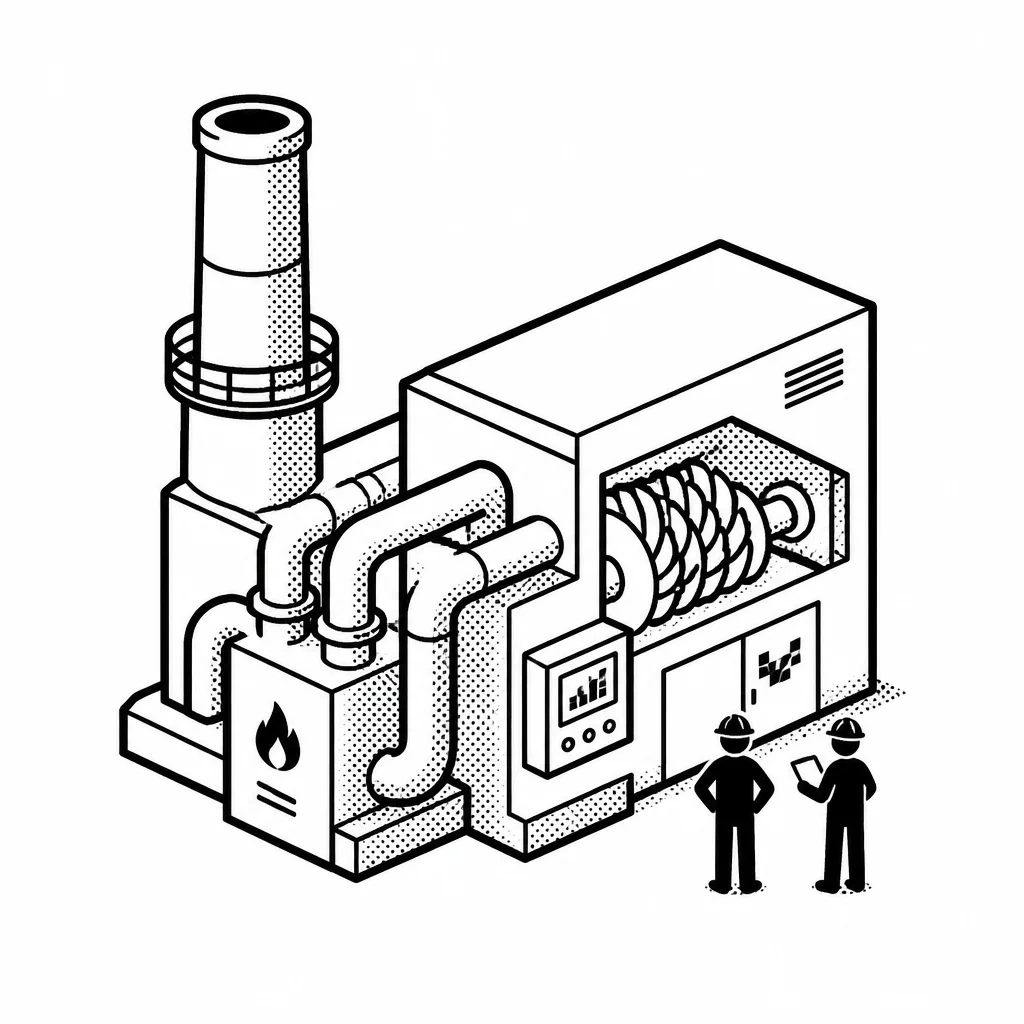
The business splits into two broad halves. One is conventional energy: gas-fired power plants and steam production, mostly in Singapore, where Sembcorp is one of the largest power producers. The other is what the company calls renewables and urban solutions: solar farms, wind projects, energy storage, and water and wastewater treatment plants. The water side is the quieter money-maker — Sembcorp treats and recycles water for industrial customers and municipalities, a business built on long-term contracts that keep cash coming in year after year. Customers stick with Sembcorp because these are essential services with high switching costs: you do not casually swap out the company supplying the steam that keeps your plant running. The big story of recent years is the pivot to green power. Sembcorp has been selling off older fossil-fuel assets and pouring money into solar and wind, especially in India, China, and Southeast Asia, with a target of running a much larger renewable portfolio by the end of the decade. That shift is expensive and capital-hungry, and it carries real risk: renewable projects earn thinner, more volatile returns than a locked-in gas contract, and the company is betting billions on governments and companies actually paying up for clean power. The upside is that it positions Sembcorp as a serious player in Asia's energy transition rather than a legacy gas utility.
The money it generates mostly goes back into building and buying more of these projects, alongside dividends to shareholders. It is not a glamorous business — nobody excitedly discusses their steam supplier — but it is a plumbing business for industrial Asia, and the steady contract-based cash flow is what funds the green build-out.
Saved answer · last researched 12 Nov 2026