Understand any stock in simple English
Enter a ticker to learn what the company does and how it makes money.
UOB-Kay Hian Holdings Limited
UOB-Kay Hian is a Singapore stockbroker that lets people and institutions buy and sell shares and other investments, and it also manages money and advises on corporate deals.
UOB-Kay Hian is a stockbroker. When you want to buy or sell shares, bonds, or other investments, somebody has to sit between you and the market and actually place the order — that is the job UOB-Kay Hian does. It serves both ordinary retail investors trading from their phones and big institutional clients moving large sums. It also offers futures trading, wealth management for people with money to invest, and corporate finance help for companies that need to raise capital or strike deals.
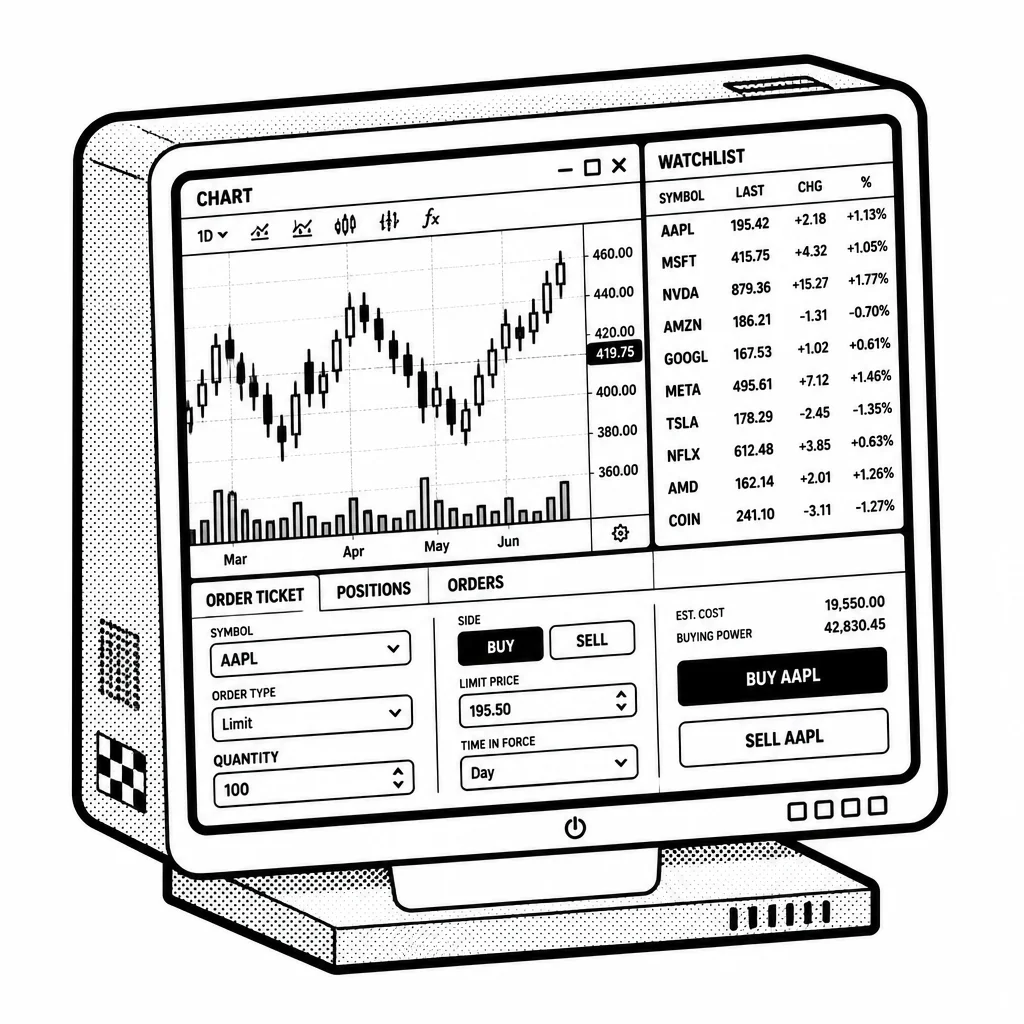
The core money machine is brokerage commissions: a small slice on trades it executes for clients. That revenue rises and falls with how much trading is happening in the markets, which makes the business somewhat cyclical — busy, volatile markets are good for brokers, quiet ones are not. Wealth management and corporate finance add steadier fee income and deeper relationships. In 2024 the group reported a record profit of roughly S$321 million on revenue around S$714 million, a jump of about 40%, helped by strong trading activity in Singapore and Hong Kong. UOB-Kay Hian is one of the largest brokerages in Singapore, with a long history via the 2000 merger of UOB's stockbroking arm and Kay Hian, and roots going back to the early 1970s. It has grown its regional footprint across Asia, including Malaysia, Hong Kong, Thailand, the Philippines, and Indonesia. A big chunk of its shares is held by the Wee family, linked to United Overseas Bank, which gives it stability and a familiar brand name in its home market.
Like all brokers, it is vulnerable to fee compression and to low-cost online rivals, plus the usual market risk that a bad year for equities means fewer trades. Still, the company generates a lot of cash, pays dividends, and has been buying back its own shares — a sign management thinks the stock is cheap. For a plain-language summary: it takes a toll on the flow of investments moving through Asian markets, and it has been collecting a lot of tolls lately.
Saved answer · last researched 12 Nov 2026