Understand any stock in simple English
Enter a ticker to learn what the company does and how it makes money.
Twist Bioscience Corporation
Twist Bioscience makes synthetic DNA and related tools that labs use for research, drug discovery, and genetic testing.
Twist Bioscience does something that sounds like science fiction but is now a real manufacturing business: it writes DNA from scratch. Scientists use that made-to-order DNA to build experiments, develop new medicines, and design better tests. Twist sells the raw genetic material and the tools that go with it, mostly to biotech and pharmaceutical companies, academic labs, and research institutions.
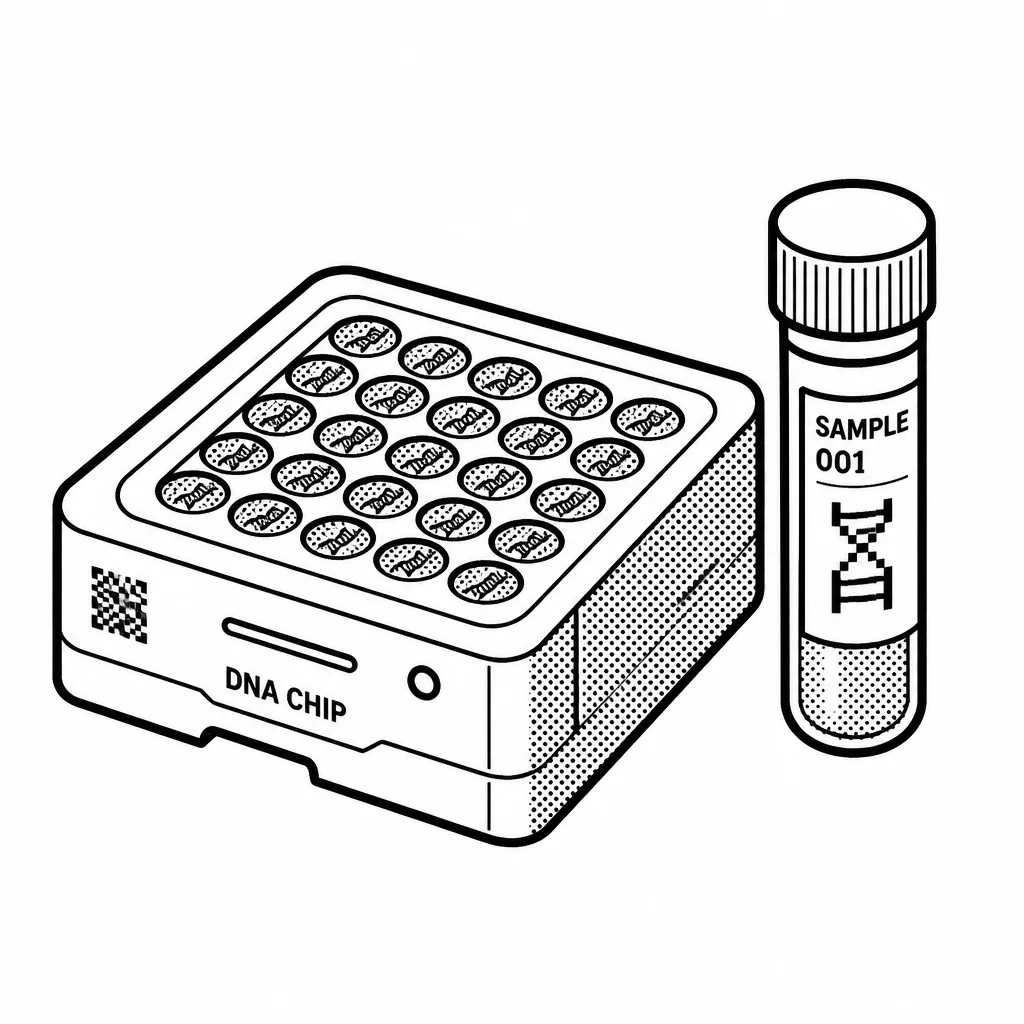
The core of the business is a silicon-based DNA synthesis platform. Traditional DNA-making is slow and done in small batches, but Twist adapted chip-making techniques to build huge numbers of short DNA strands at once on a tiny surface, then assemble them into longer pieces. That lets it sell genes, oligo pools (big mixed batches of short DNA), and next-generation sequencing tools that help customers read and analyze genetic data. Twist does not sell a blockbuster drug of its own. It sells picks and shovels to the people hunting for drugs and diagnostics. Its "synthetic biology" line supplies custom genes and DNA pools, while its NGS tools help customers prepare samples for sequencing. A separate but important piece is its antibody discovery work, where it uses large libraries of synthetic antibodies to help partners find drug candidates. Customers choose Twist largely because it can deliver a lot of custom DNA quickly and at scale, which matters when a lab is testing thousands of ideas.
The company is based in South San Francisco, at the heart of the biotech industry. It is a money-losing, cash-hungry business that invests heavily in its platform and manufacturing, so investors watch revenue growth and the path toward profitability closely. The big risk is that DNA synthesis is competitive and customers are cost-sensitive, while the big prize is that synthetic DNA could become a standard input for medicine and research the way software is for tech.
Saved answer · last researched 16 Nov 2026