Understand any stock in simple English
Enter a ticker to learn what the company does and how it makes money.
Treasury Wine Estates Limited
Treasury Wine Estates makes, markets, and sells branded wines such as Penfolds and Beringer around the world.
Treasury Wine Estates is one of the world's biggest premium wine companies. It doesn't grow grapes to sell as a commodity; it builds brands and sells bottles. Its most famous label is Penfolds, Australia's flagship luxury wine, and it also owns Beringer in California's Napa Valley, plus a portfolio of other labels across Australia, New Zealand, the United States, and Europe. If you've seen a bottle of Penfolds Bin 389 or Beringer Founder's Estate on a restaurant list or a supermarket shelf, you've touched this company's business.
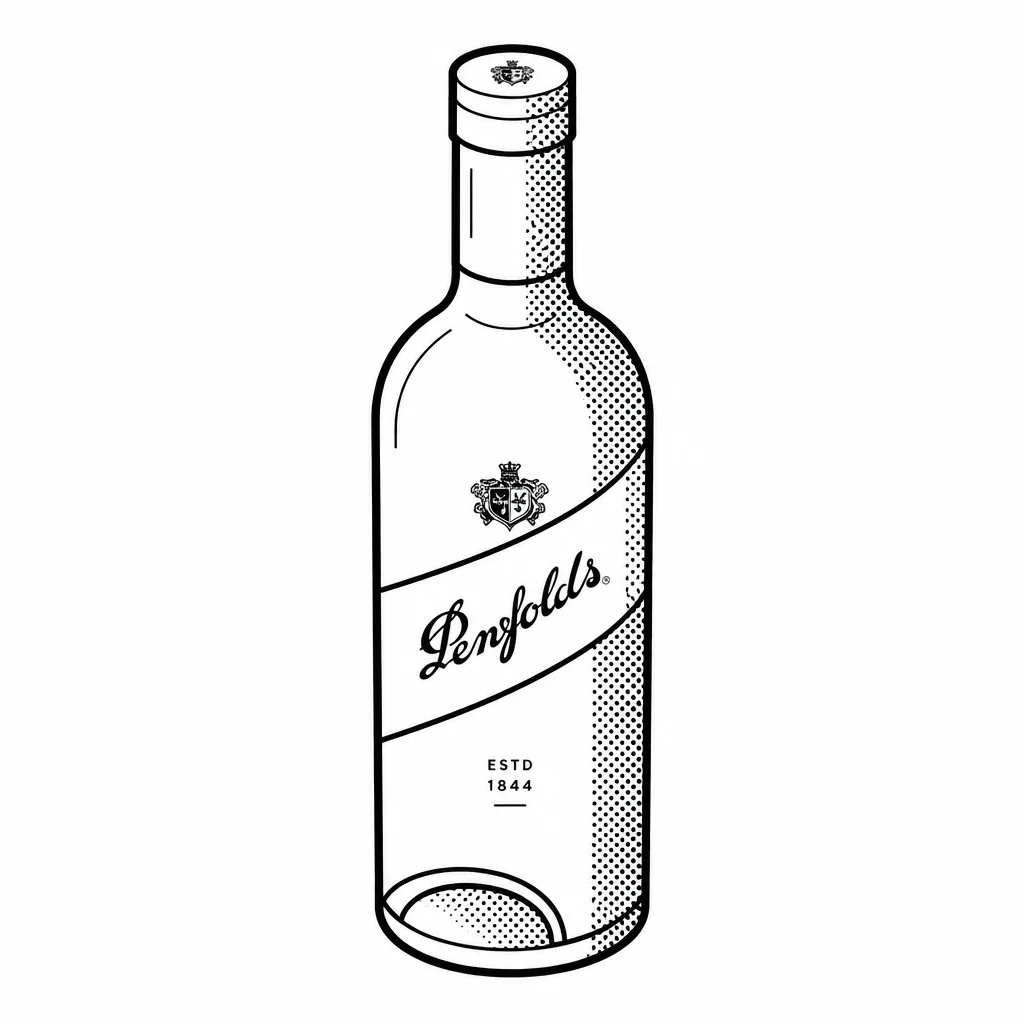
The money comes from selling wine through pretty much every channel: supermarkets and liquor stores, restaurants and bars, duty-free shops, and directly to consumers through wine clubs and cellar doors. Customers choose these brands because a bottle of Penfolds carries status — it's the wine people give as a gift or order to impress at dinner. That brand power is the whole game. Wine is a crowded, low-margin business for most producers, but luxury labels command fat prices, and TWE leans hard into that premium end. The company's crown jewel is Penfolds, and it has spent years pushing it into Asia, especially China. That bet got hit hard in 2020 when China slapped punishing tariffs on Australian wine, effectively shutting the door. TWE responded by redirecting Penfolds to other Asian markets and building a "multi-country of origin" strategy — making Penfolds-style wine in France and California too, so it's less dependent on any single country's grapes or trade rules. Since the tariffs were lifted in 2024, sales back into China have been rebuilding.
Treasury also owns the cheaper stuff — labels like 19 Crimes and Wolf Blass — which sell in volume to everyday drinkers, though that mass-market segment has been weaker as younger people drink less wine. The company pays a dividend and has been buying back shares, and its big strategic question is simple: can it keep selling luxury bottles at luxury prices, especially in Asia, while the budget end of the business sputters? That's the bet investors are making.
Saved answer · last researched 12 Nov 2026