Understand any stock in simple English
Enter a ticker to learn what the company does and how it makes money.
TVS Motor Company Limited
TVS Motor makes motorcycles, scooters, and three-wheelers — including electric ones — and sells them in more than 80 countries.
TVS Motor is one of India's big two-wheeler makers. It builds motorcycles, scooters, and small three-wheelers, and sells them to people who need cheap, tough transportation — commuters in Indian cities, farmers hauling goods, and delivery riders zipping through traffic. The company is headquartered in Chennai, in southern India, and it ships to more than 80 countries, with a strong presence in Asia and Africa.
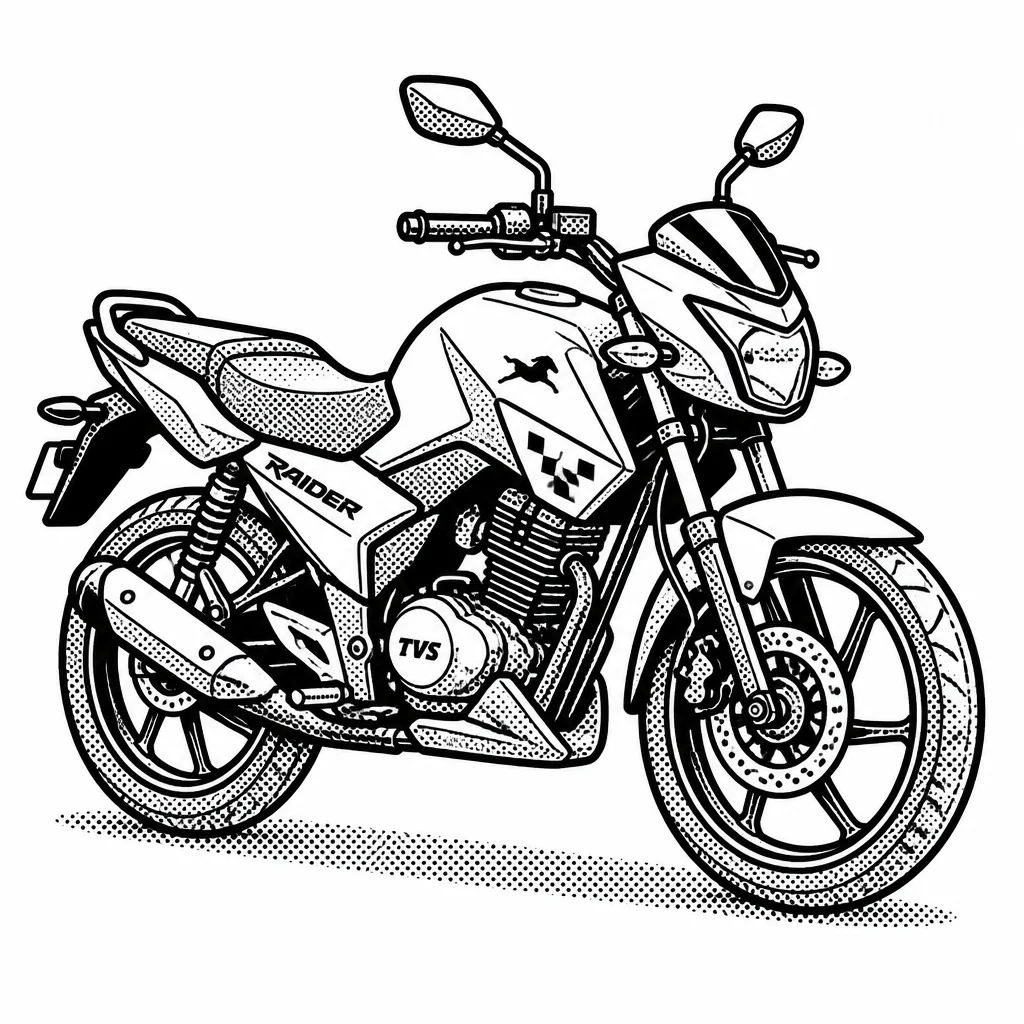
The business makes most of its money the old-fashioned way: building vehicles and selling them through dealer networks. Customers choose TVS for value — dependable machines at low prices, with spare parts and service available almost everywhere. But the company has also pushed hard into electric scooters under its iQube brand, betting that the same buyers who want a cheap petrol scooter will eventually want a cheap electric one. That bet is paying off: electric vehicle sales have grown fast, and TVS has become one of India's leading electric two-wheeler sellers. There is a hidden engine inside TVS too. Its financing arm lends money to buyers so they can afford the vehicles, and that lending business quietly earns solid profits. TVS also owns a stake in Bajaj Auto rival? No — its listed rival is Hero MotoCorp, and it competes fiercely with Bajaj Auto and Honda Motor in the same showrooms. Competition is brutal, price wars are common, and margins on small vehicles are thin.
What makes TVS interesting is its founder story. The company grew out of the TVS Group, an old Indian business family that started with bus services and later became a sprawling industrial empire. TVS Motor was the two-wheeler piece, and it has spent decades building its own brand, its own engines, and now its own electric motors. The company spends heavily on research and development, opens new factories, and pays dividends to shareholders with the cash left over — though its electric push and expansion mean a lot of money goes back into the business rather than out the door.
Saved answer · last researched 12 Nov 2026