Understand any stock in simple English
Enter a ticker to learn what the company does and how it makes money.
TUI AG
TUI sells vacations to leisure travelers, bundling hotels, cruises, flights, and tours into one-stop holiday packages.
TUI is one of the world's biggest travel companies, and its core product is a holiday that arrives in one piece: a flight, a hotel, and often a transfer or tour, sold together as a package. Millions of people in Europe — especially from Germany, the UK, and the Nordics — book their summer beach trips through it. The company runs its own airlines, owns and manages hotels under brands like Riu and Robinson, and operates cruise ships through its Marella and TUI Cruises lines. That combination matters: people pay TUI for convenience and the reassurance that if something goes wrong, one company is responsible for the whole trip.
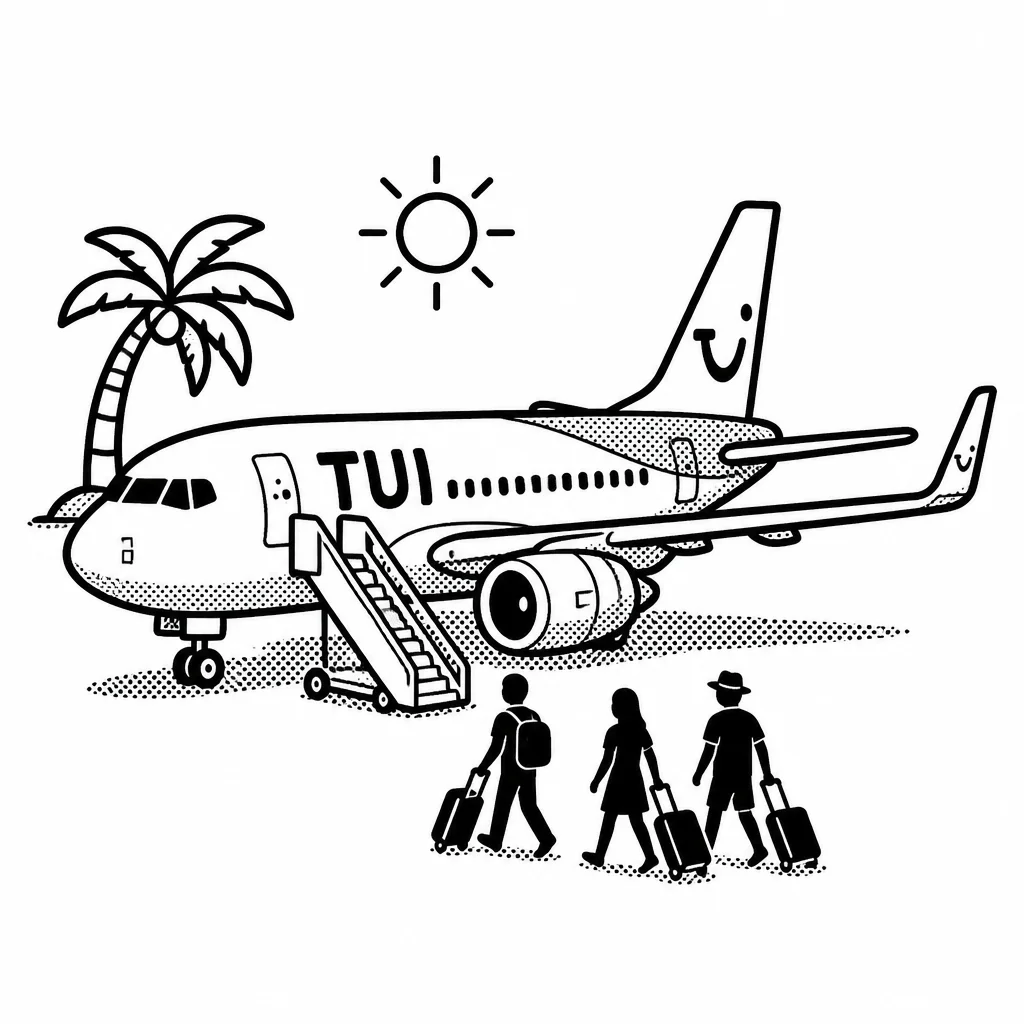
The money comes from selling those packages, flights, hotel stays, and cruises, mostly through travel agencies and its own booking apps. TUI's edge is scale and vertical integration — it fills its own planes with its own package customers, which keeps seats full and costs down. But that same model makes it fragile. Travel is seasonal and exposed to shocks: pandemics, recessions, terrorism, and fuel prices all hit demand and costs at once. The company needed billions in state support during COVID-19, when travel essentially stopped, and it has spent years since paying that back and rebuilding its balance sheet. The business has a long, strange history. It was once Preussag, a German industrial conglomerate into mining and chemicals, which pivoted into tourism around the turn of the century and eventually renamed itself TUI. Today it competes with online travel agencies like Booking Holdings and Expedia, plus airline and hotel groups selling directly, so it must keep convincing customers that a packaged trip is worth paying for rather than assembling one piece by piece online.
Its size and owned hotels and ships give it real advantages, but the heavy fixed costs of planes and vessels mean profits swing hard with demand. When travel booms, TUI makes good money; when it stalls, losses pile up fast. That is the simple truth of the business: it sells fun and relaxation, but it carries the risk of an airline and a hotel chain on its books.
Saved answer · last researched 12 Nov 2026