Understand any stock in simple English
Enter a ticker to learn what the company does and how it makes money.
TT Electronics plc
TT Electronics makes engineered electronic components and sensors for industries where failure is not an option, such as healthcare, aerospace, defense, and automation.
TT Electronics is a British maker of engineered electronics — the kind of parts that go into machines where a failure could be catastrophic. It builds sensors, power components, and connectivity hardware for four main markets: healthcare, aerospace and defense, automation and electrification, and distribution. You will not find its name on a consumer product. Its customers are the companies that build hospital equipment, aircraft systems, factory robots, and military gear, and they buy from TT because the parts have to work reliably for years in harsh conditions.
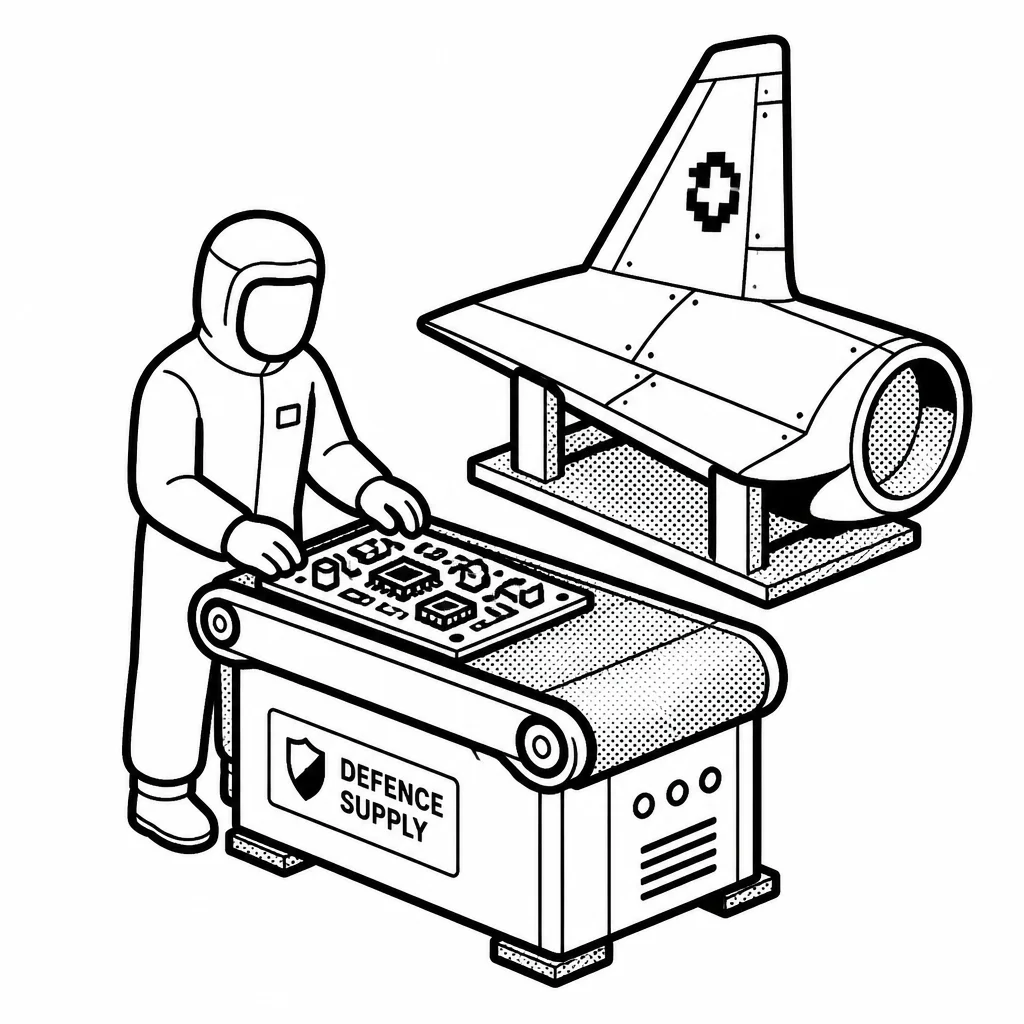
The business splits into two broad halves. One makes sensors and specialist components — tiny devices that measure things like position, pressure, or temperature, plus power conversion parts that manage electricity. The other makes connectivity and control products, such as circuit boards and electronic systems that tie a machine together. The pitch to customers is straightforward: outsource the tricky electronics to a specialist who can handle strict certification, supply parts for a decade or more, and keep quality tight. Engineers pick TT when a cheaper generic part carries real risk — an unreliable sensor in a pacemaker or a fighter jet is not a place to save pennies. TT has spent recent years reshaping itself into a more focused, higher-margin business. It sold off lower-value operations, put more emphasis on sensors and power, and pushed into electric vehicles and clean energy, where demand for smart power electronics is growing fast. The trade-off is that this is a competitive, capital-hungry world. Bigger players like TE Connectivity and Amphenol compete for the same design wins, and winning a spot inside a customer's product often means investing in custom engineering up front with no guarantee of volume. Contracts tend to be sticky once designed in, which is the prize.
The company operates manufacturing sites across the UK, Europe, North America, and Asia, so it can serve customers close to where they build. That global footprint matters because aerospace and defense customers demand local supply chains and strict quality audits. Headquarters are in Woking, England, a reminder that this is a British industrial firm competing on a world stage. The key thing to understand: TT does not sell gadgets. It sells trust in the electronics inside other people's critical machines — and gets paid for engineering and manufacturing work, usually on multi-year supply agreements rather than one-off sales.
Saved answer · last researched 16 Nov 2026