Understand any stock in simple English
Enter a ticker to learn what the company does and how it makes money.
Tenaris S.A.
Tenaris makes the steel pipes and tubes that oil and gas companies use to drill wells and move oil and gas around.
Tenaris makes the steel pipes that hold oil and gas wells together. When an energy company drills a well, it needs a long string of steel casing to line the hole and tubing to carry the oil or gas up to the surface. Tenaris makes those pipes, along with the connectors that screw the joints together and the services that help get them installed correctly. It also sells pipes for industrial uses like power plants and boilers. The company is legally headquartered in Luxembourg, but its real center of gravity is in Buenos Aires, Argentina, where the Rocca family's industrial group has been making steel for decades.
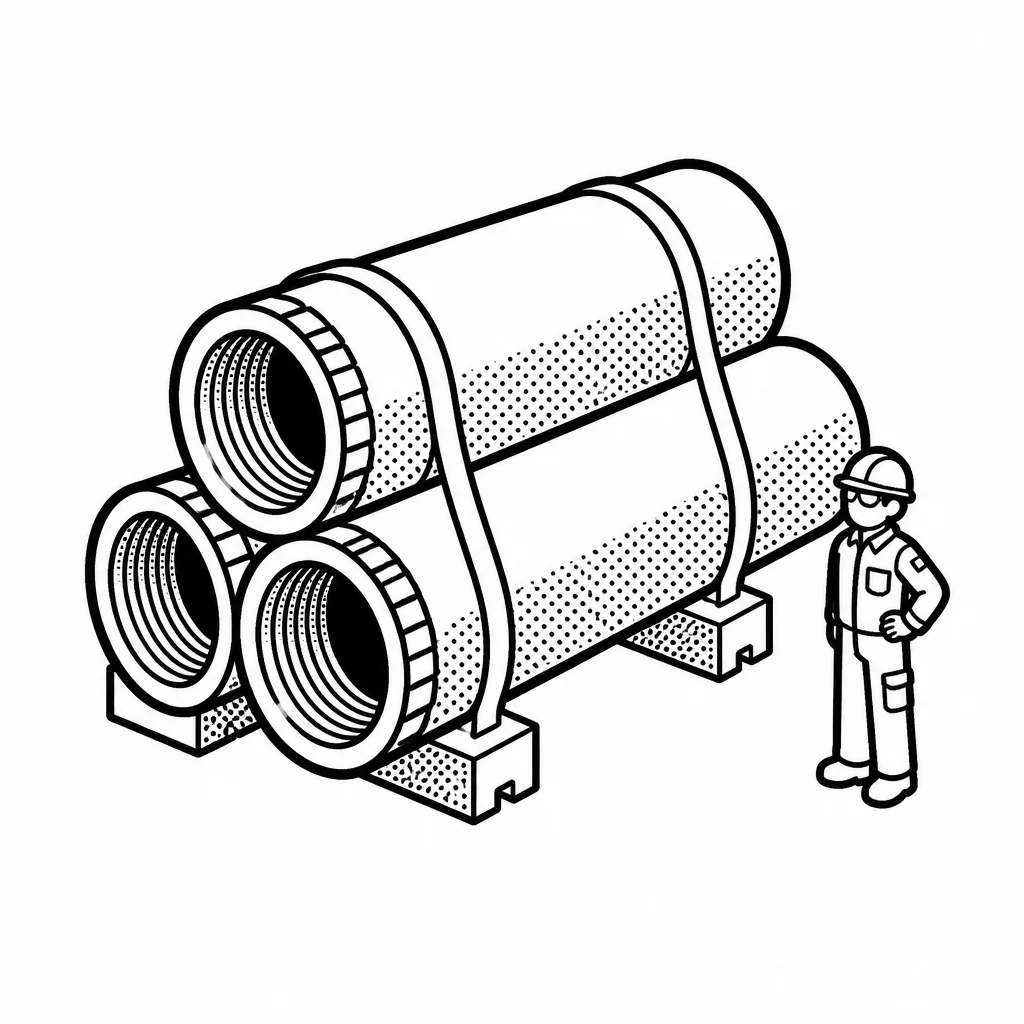
The oil and gas business is the heart of it. Tenaris sells mostly to big national oil companies and international majors, the ones drilling in places like the Middle East, offshore Brazil, or the Permian Basin in Texas. Customers pay for pipes that can survive brutal conditions: high pressure, corrosive gas, deep water, and great heat. When a well fails, it can cost millions, so buyers care a lot about quality and reliability. That is why a pipe maker can earn decent margins even though it is, at bottom, selling steel. The business is cyclical and exposed to things Tenaris cannot control. When oil prices fall, drilling slows, and pipe orders dry up. When prices rise, customers order more and prices climb. A second problem sits on top: cheap imported pipes, especially from countries with excess steel capacity, can flood the market and crush prices. Tenaris has fought back with trade cases in the United States and elsewhere, arguing that dumped imports hurt domestic producers. It also runs a smaller but steady business making pipes for things like power plants and machinery, which softens the swings a little.
Tenaris competes with other big pipe makers, including Vallourec and the welded-pipe operations of large steel groups, but its real edge is scale and technology in the premium, seamless end of the market. It has spent heavily on mills and finishing lines, and it keeps a global footprint so it can supply customers wherever they drill. The company also returns cash to shareholders through dividends and buybacks, a sign that when drilling is healthy, the pipes business throws off a lot of money.
Saved answer · last researched 16 Nov 2026