Understand any stock in simple English
Enter a ticker to learn what the company does and how it makes money.
Trio-Tech International
Trio-Tech makes testing equipment and runs testing services that help chipmakers and electronics companies check whether their products work and will last.
Trio-Tech is a small company that does two related jobs for the electronics world: it builds equipment that stress-tests chips and electronic parts, and it runs labs that perform those tests for customers who would rather not do it themselves. If you make semiconductors or electronics and need to know whether your parts will survive heat, cold, vibration, and years of use, Trio-Tech either sells you the machine to find out or tests the parts for you.
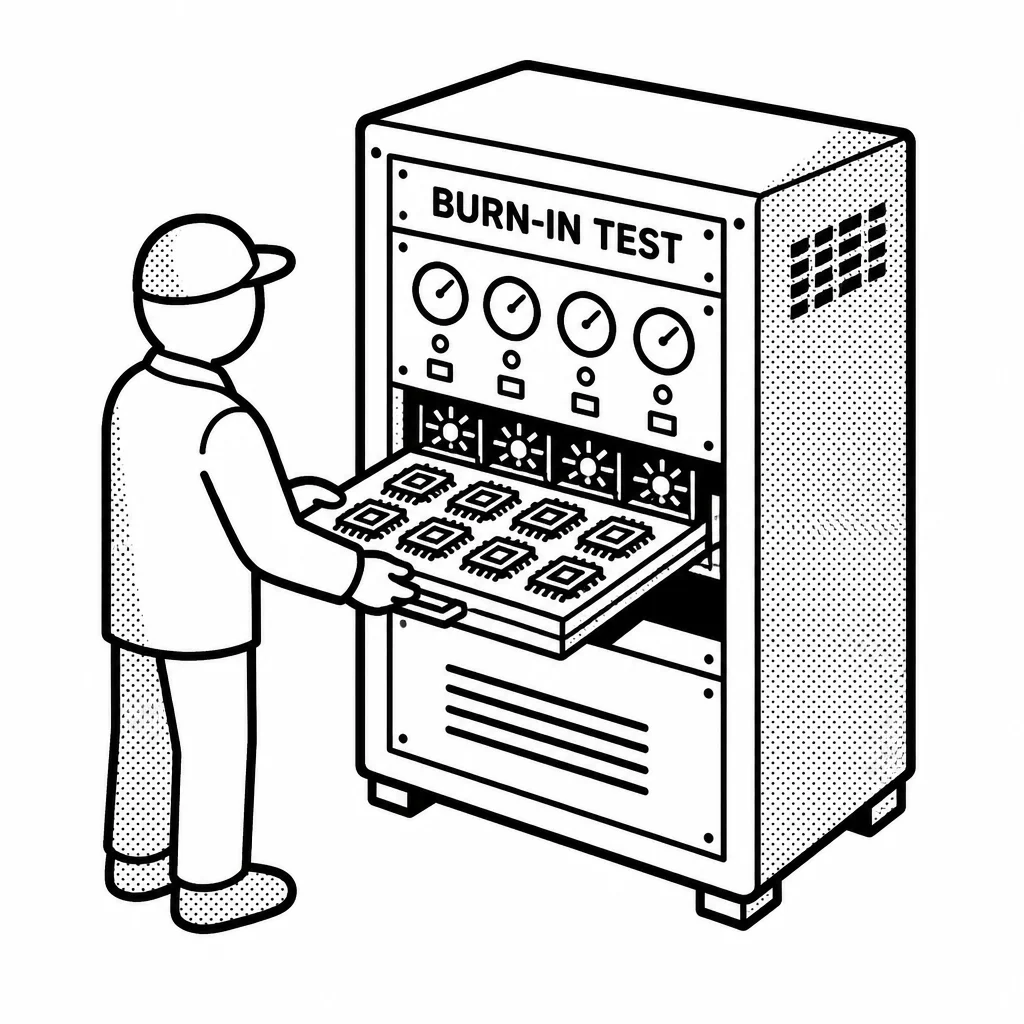
The testing side is the bigger and steadier part of the business. Chipmakers send batches of parts to Trio-Tech's labs, where they get baked, frozen, and run hard in a process called burn-in — essentially putting chips through extreme conditions so the weak ones fail in the lab instead of in a customer's device. This matters most in industries where a dead chip is expensive or dangerous, like cars, medical devices, and industrial equipment. Customers pay for the testing and the speed and reliability of the results, and the service tends to stick because switching testing partners means re-qualifying a whole process. The other side sells the equipment itself — the burn-in ovens, test systems, and related gear that let customers run these tests in-house. That business rises and falls with chipmakers' spending on new capacity, while the testing-services side hums along more predictably. Trio-Tech is headquartered in Van Nuys, California, but much of its manufacturing and testing footprint sits in Asia, particularly Singapore, Malaysia, and China, close to where the world's chips are actually made.
This is a modest, niche company rather than a household name, and it competes with larger testing houses and equipment makers for the same customers. Its appeal is being a one-stop shop: a customer can buy the gear and outsource the testing to the same firm. The business is cyclical and tied to semiconductor demand, so revenue swings with the chip industry's boom-and-bust cycles, and it is small enough that a few big customers can move the needle.
Saved answer · last researched 16 Nov 2026