Understand any stock in simple English
Enter a ticker to learn what the company does and how it makes money.
Terna - Rete Elettrica Nazionale Società per Azioni
Terna owns and runs Italy's high-voltage electricity grid, moving power from where it is generated to the cities and businesses that need it.
Most people never think about the wires overhead, but Terna is the company that keeps those wires working. It owns and operates Italy's high-voltage transmission network — the big, long-distance power lines that carry electricity from power plants and wind and solar farms to the local networks that feed homes and factories. It also runs the "dispatching" service, which is the tricky daily job of balancing supply and demand across the whole country in real time, second by second, so the lights stay on.
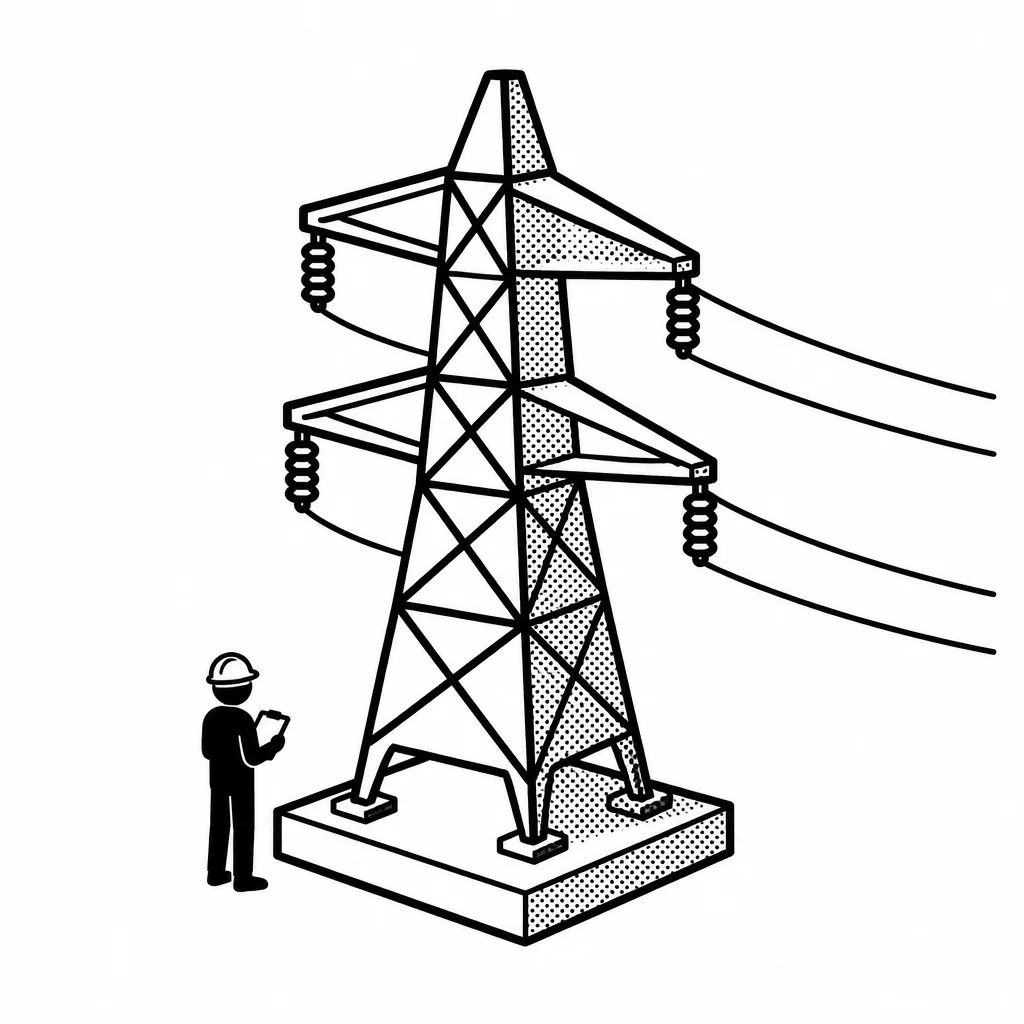
Here's the simple problem Terna solves. Electricity can't be stored easily at scale, so it has to be made exactly when it's used. Terna acts as the referee and traffic controller, constantly nudging power plants up or down and moving electricity around the grid to keep everything in balance. Regulators pay Terna for this job, mostly through regulated tariffs baked into your electricity bill. Because the returns are set by regulators rather than won in open competition, Terna's revenue is unusually stable and predictable. The trade-off is that the regulator also caps how much it can earn, so growth comes largely from building more grid — new lines, connections to other countries, and upgrades to handle the surge in renewable energy. Those cross-border connections matter more than they sound. Italy imports a big share of its power, and Terna earns a role in moving electricity between Italy and its neighbors, including links to France, Switzerland, Austria, Slovenia, and Greece. It has also chased the boom in renewables by building connections to offshore wind. Its main competitors are grid and utility operators, though as a regulated monopoly Terna faces little direct competition within its own territory. One of its biggest ongoing battles is simply winning public approval to build new power lines, since no one wants a giant pylon outside their window.
Terna's steady profits flow out to shareholders mostly as dividends, which is a big part of why investors own it. The big question hanging over the business is whether Europe's shift to green energy means decades of grid investment, or simply higher costs that regulators are slow to approve. Either way, someone has to keep the wires humming, and in Italy that someone is Terna.
Saved answer · last researched 12 Nov 2026